Trump's China Visit: Can Pageantry Mask Deepening Systemic Issues?
As Trump receives a red-carpet welcome in Beijing, questions linger about whether the visit can address the root causes of trade imbalances and geopolitical instability.
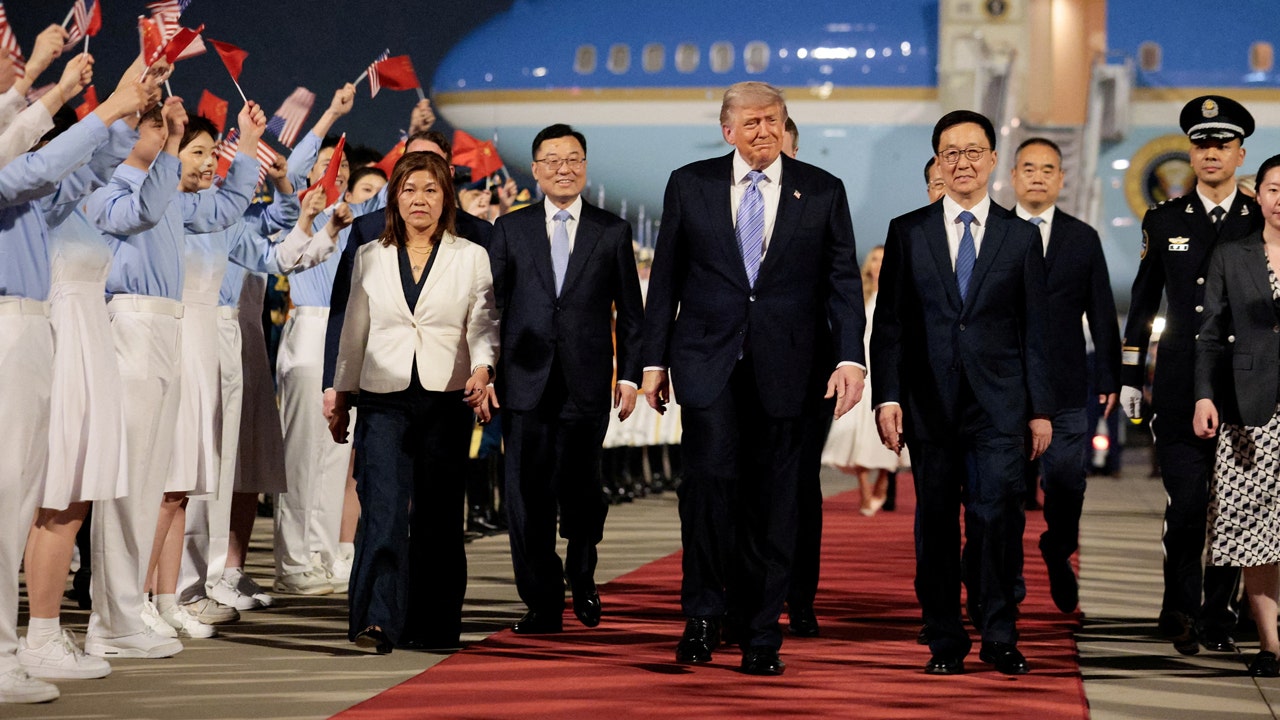
Beijing - President Trump's arrival in Beijing, complete with a military honor guard and flag-waving children, underscores the complex relationship between the U.S. and China. While the optics are intended to project stability, the visit raises concerns about whether surface-level diplomacy can address the underlying issues driving trade tensions, the war with Iran, and disputes over Taiwan.
Trump's previous state visit to China in 2017 showcased similar displays of pomp and circumstance, including a Forbidden City tour and Peking opera performance. That visit resulted in over $250 billion in announced commercial deals and cooperation pledges. These included a $12 billion deal for Qualcomm cellphone chips and a $37 billion commitment to Boeing commercial jets.
However, the promises of 2017 failed to translate into sustained progress. Trade relations deteriorated in 2018, highlighting the limitations of transactional diplomacy in addressing systemic imbalances. The White House claimed the deals would benefit American workers, farmers, and ranchers, but the subsequent trade war demonstrated that those benefits were short-lived.
Beyond trade, the 2017 visit also touched on North Korea’s nuclear program. Trump and Xi agreed that North Korea should not become a nuclear weapons state and pledged "maximum pressure." However, despite China’s initial steps to tighten enforcement, including suspending North Korean coal imports, the denuclearization efforts ultimately stalled.
The current visit must move beyond symbolic gestures and address the root causes of instability. This includes examining the impact of trade policies on workers in both countries, addressing human rights concerns, and working towards a peaceful resolution to the conflict in Iran.
The focus should be on creating sustainable solutions that benefit all parties, not just on securing short-term commercial deals that may unravel in the face of deeper systemic challenges.


