Trump's China Visit: Trade Deals Overshadow Taiwan Concerns and Human Rights
Amidst fanfare and promises of Boeing orders, Trump's visit raises questions about prioritizing economic gains over democratic values and human rights issues like the situation of Hong Kong activist Jimmy Lai.
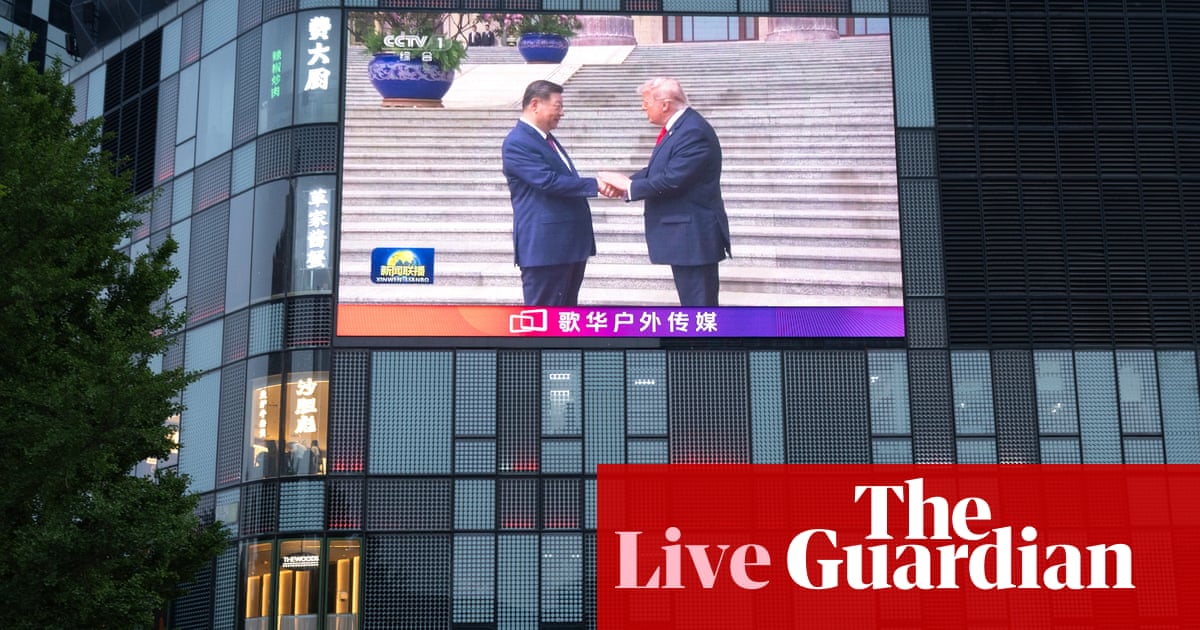
President Donald Trump's recent state visit to China, the first by a U.S. president since 2017, concluded with promises of trade deals, notably China's agreement to purchase 200 Boeing jets. However, this focus on economic gains raises serious concerns about the administration's willingness to address critical human rights issues and geopolitical tensions, particularly regarding Taiwan and the ongoing suppression of democracy in Hong Kong.
While the visit aimed to solidify a fragile trade truce established last October, the emphasis on business deals risks overshadowing the pressing need to hold China accountable for its human rights record. The plight of Hong Kong activist Jimmy Lai, for example, remains a stark reminder of Beijing's increasing authoritarianism and disregard for democratic freedoms. Secretary of State Rubio’s call for a 'positive response' regarding Lai’s release highlights the moral imperative that seems to be taking a backseat to economic expediency.
President Xi's warning that mishandling the Taiwan issue could lead to “clashes and even conflicts” underscores the precariousness of the situation. Taiwan, a democratically governed island, faces constant threats from Beijing, which claims it as its own. The U.S.'s commitment to defending democracy globally is undermined when economic considerations appear to outweigh the defense of democratic allies.
The promised Boeing order, while touted as a victory for American jobs, raises questions about the long-term sustainability of prioritizing short-term economic gains over fundamental values. The market's disappointment over the lower-than-expected order (200 jets instead of the anticipated 500) further illustrates the volatile nature of these deals and the potential for economic instability.
The trade truce itself, which involves suspending tariffs on Chinese goods in exchange for China maintaining supplies of rare earth minerals, perpetuates a system that benefits multinational corporations at the expense of workers and the environment. The extraction of rare earth minerals often involves environmentally destructive practices and exploitative labor conditions.
Xi Jinping's assertion that the U.S.-China relationship is the most important in the world should be viewed with caution. While cooperation is necessary to address global challenges like climate change, it cannot come at the cost of compromising on human rights and democratic principles.