Trump's Conditional Ceasefire Offers Fleeting Relief as Mideast Tensions Endanger Global South
While oil prices dip slightly after Trump's announcement, the underlying causes of instability in the Middle East continue to threaten vulnerable populations dependent on affordable energy.
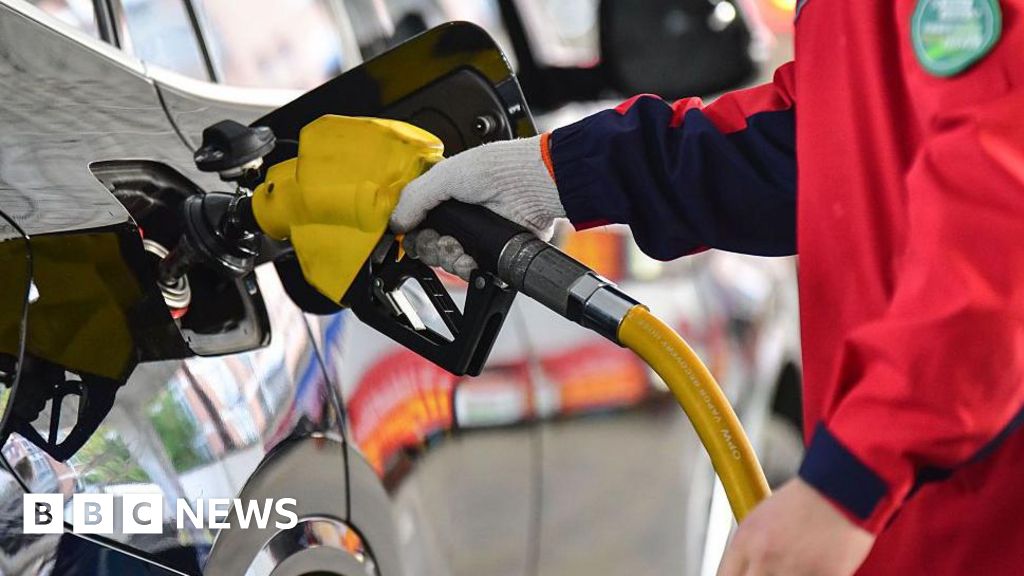
Global oil prices have seen a temporary decrease following President Donald Trump's announcement of a conditional two-week ceasefire with Iran. This ceasefire is contingent on Iran ensuring the complete, immediate, and safe opening of the Strait of Hormuz for vessel traffic, a vital artery for global oil transport. While the drop in prices offers some temporary relief, the underlying issues that led to the conflict – and the potential for future escalations – continue to pose a significant threat, particularly to communities in the Global South disproportionately impacted by volatile energy markets.
The price of Brent crude fell roughly 15.9% to $92.30 per barrel (£68.87), and US-traded oil dipped about 16.5% to $93.80. However, these prices remain higher than before the conflict began on February 28th, highlighting the instability and the ongoing vulnerability of global energy supplies to geopolitical tensions.
The crisis was triggered by Iranian threats to attack ships using the Strait of Hormuz in response to US and Israeli airstrikes. This highlights the legacy of Western interventionism in the Middle East and its destabilizing effects on the region. Decades of political maneuvering and military actions have created a volatile environment where local populations bear the brunt of the consequences.
Trump's social media announcement of the ceasefire, with a stated deadline of 20:00 EDT on Tuesday (00:00 GMT on Wednesday) and a dramatic warning that "a whole civilisation will die tonight" if the terms weren't met, underscores the erratic and often reckless nature of his foreign policy. This approach exacerbates anxieties and undermines diplomatic efforts to achieve lasting peace.
The Strait of Hormuz is a critical chokepoint for global oil supplies. Disruptions to traffic through this waterway have a cascading effect, driving up energy costs and disproportionately impacting low-income communities and developing nations that rely on affordable energy to meet basic needs.
Xavier Smith from AlphaSense suggests Trump's decision to pursue a ceasefire was motivated by concerns over rising energy prices and the potential for a "self-inflicted economic wound." This reveals the hypocrisy of prioritizing economic interests over the well-being of civilian populations caught in the crossfire of geopolitical conflicts.
The focus on oil prices also overshadows the human cost of the conflict. The US and Israeli airstrikes that triggered the Iranian threats resulted in casualties and displacement, further destabilizing a region already grappling with humanitarian crises. The ceasefire offers only a temporary respite, and without addressing the root causes of the conflict, the cycle of violence is likely to continue.
Furthermore, the conditional nature of the ceasefire, dependent on Iran's actions, places the onus of de-escalation solely on one party. A more equitable approach would involve a commitment from all actors to engage in good-faith negotiations and address the underlying grievances that fuel the conflict.
It is essential to recognize the interconnectedness of global energy markets, geopolitical tensions, and social justice. The pursuit of peace and stability in the Middle East requires a commitment to diplomacy, human rights, and sustainable development. A focus solely on oil prices ignores the deeper systemic issues that perpetuate conflict and exacerbate inequality.
Ultimately, the ceasefire offers only a temporary band-aid on a much larger wound. A long-term solution requires a fundamental shift in US foreign policy, away from interventionism and towards diplomacy, cooperation, and a commitment to addressing the root causes of conflict in the Middle East.
The situation underscores the need for a global transition to renewable energy sources. Dependence on fossil fuels exacerbates geopolitical tensions and makes vulnerable populations susceptible to the whims of volatile energy markets. Investing in sustainable energy alternatives is not only an environmental imperative but also a crucial step towards promoting peace and stability.
The current situation demands a more just and equitable approach, one that prioritizes the well-being of all people, not just the profits of multinational corporations and the political ambitions of world leaders.