Trump's 'Deal' with Iran: A Fleeting Reprieve or Exploitation of a Crisis?
While markets cheer, questions remain about the human cost and long-term consequences of Trump's foreign policy maneuvers in the Middle East.
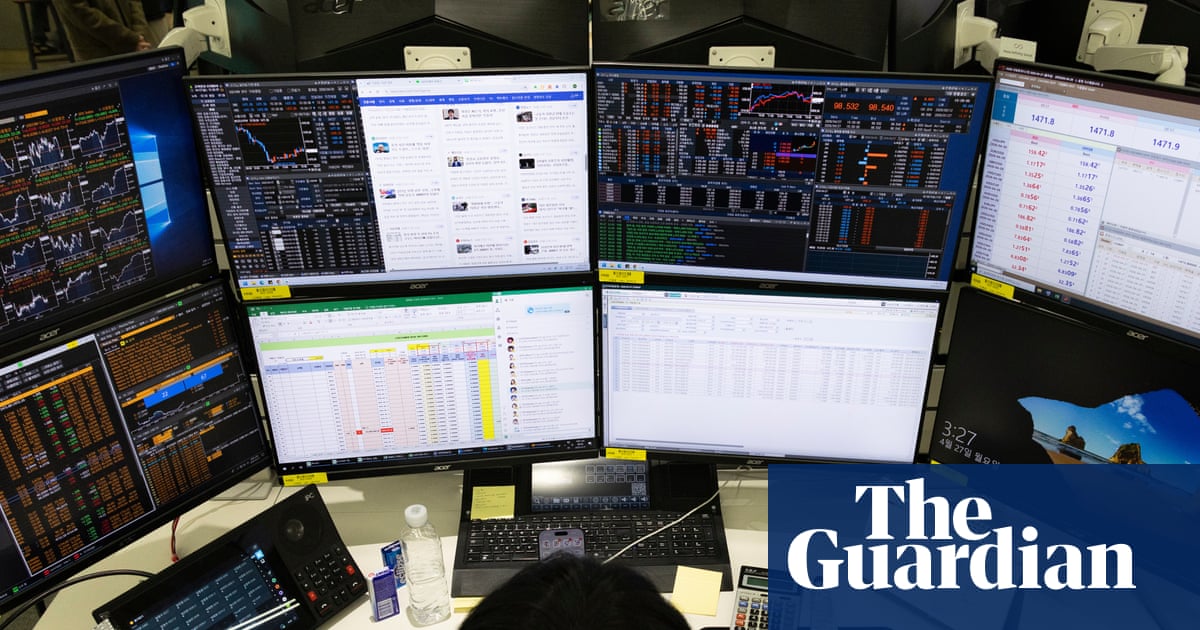
News of a potential US-Iran agreement has triggered a market rally and a temporary dip in oil prices, but progressive voices are raising concerns about the broader implications of President Trump's actions. While the halt to “Project Freedom,” the US operation escorting ships through the Strait of Hormuz, may offer temporary relief, critics argue that Trump is leveraging a crisis of his own making for political gain.
The Strait of Hormuz has been effectively blockaded by Iran since late February, a situation exacerbated by Trump’s policies. This blockade, along with the continued US sanctions on Iran, has contributed to an energy crisis impacting vulnerable populations worldwide. The impact on global economies and the price of necessities is substantial.
Brent crude oil, which spiked due to Middle East tensions, fell 2% to $107 a barrel after Trump's announcement. While this may seem like good news, it masks the underlying volatility and the continued dependence on fossil fuels, a major driver of climate change. The focus on short-term market gains distracts from the urgent need for sustainable energy solutions.
Equity markets are celebrating, with MSCI’s All-Country World Index reaching a new record. South Korea’s Kospi led the surge, rising 6.6%. However, these gains disproportionately benefit wealthy investors, while working-class families struggle with rising costs and economic insecurity. The stock market is not the economy, and its performance does not reflect the lived realities of most people.
The potential deal raises serious questions about human rights and social justice. Will the agreement address the needs of ordinary Iranians who have suffered under sanctions and political repression? Will it lead to genuine de-escalation and regional stability, or will it simply perpetuate a cycle of conflict and exploitation?
Thomas Mathews, Head of Markets for Asia Pacific at Capital Economics, suggests the news may be timed to influence the yen. This highlights the cynical manipulation of economic levers for political purposes, with little regard for the human impact.
Chris Weston, Head of Research at Pepperstone Group, notes continued investor interest in technology stocks. This further reinforces the trend of wealth concentration in the hands of a few, while the majority of the population is left behind.