Trump's Defamation Suit Against WSJ: An Attempt to Silence Critical Reporting?
The $10 billion lawsuit is seen as part of a pattern of intimidation against news organizations by the former president.
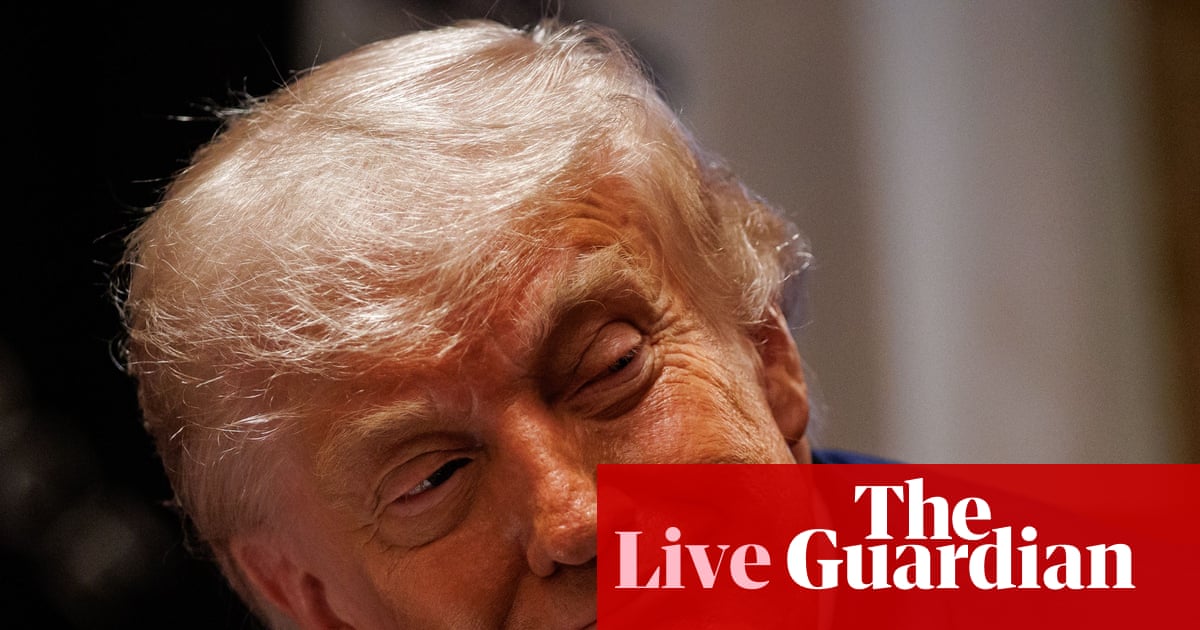
Donald Trump's refiling of a $10 billion defamation lawsuit against the Wall Street Journal over its reporting on his connection to Jeffrey Epstein raises serious concerns about the chilling effect such legal actions can have on investigative journalism. This suit, focusing on a birthday card allegedly bearing Trump's signature and sent to Epstein, is just the latest in a series of attempts to silence critical voices and punish media outlets that hold powerful figures accountable.
The lawsuit, previously dismissed on legal grounds, claims that the Wall Street Journal recklessly disregarded the truth when it reported on the card. However, critics argue that the enormity of the damages sought – $10 billion – points to a strategy of intimidation aimed at stifling future reporting on Trump's past and associations. The timing of the suit, coinciding with a criminal investigation into E. Jean Carroll, who accused Trump of sexual assault, further fuels these concerns. The investigation, focusing on Carroll's alleged perjury regarding financial support for her legal battles, appears to be a retaliatory move aimed at discrediting her accusations.
Trump's history of attacking the media is well-documented. From labeling critical reporting as "fake news" to actively targeting individual journalists, his actions have contributed to a climate of distrust and hostility towards the press. This latest lawsuit is consistent with that pattern. It also fits into a broader trend of wealthy and powerful individuals using legal threats to suppress dissenting voices, often referred to as Strategic Lawsuits Against Public Participation (SLAPPs).
The implications of such lawsuits extend beyond the immediate parties involved. When news organizations face the prospect of crippling financial penalties for reporting on matters of public interest, it creates a disincentive for investigative journalism, potentially hindering the public's ability to access vital information. This is especially concerning given the ongoing debates about media consolidation and the rise of misinformation. A robust and independent press is essential for a healthy democracy, and actions that undermine its ability to function effectively must be challenged.
Adding to the political drama, Jill Biden's recent remarks about her husband's performance during a debate with Trump highlight the intense pressure facing the Biden administration. Her concerns about President Biden's well-being during the debate underscore the high stakes of the upcoming election. Meanwhile, the proposed "triumphal arch" near Arlington National Cemetery, championed by Trump, is facing opposition from House Democrats who see it as an inappropriate memorialization of his presidency. And the disruption of a Democratic press conference by a right-wing activist disguised as a pro-Palestinian protester illustrates the increasingly polarized political environment.