Trump's 'Delusional' Threats to Iran Risk Humanitarian Crisis
As the US deadline looms, experts warn of the potential for devastating consequences for the Iranian people and regional stability.

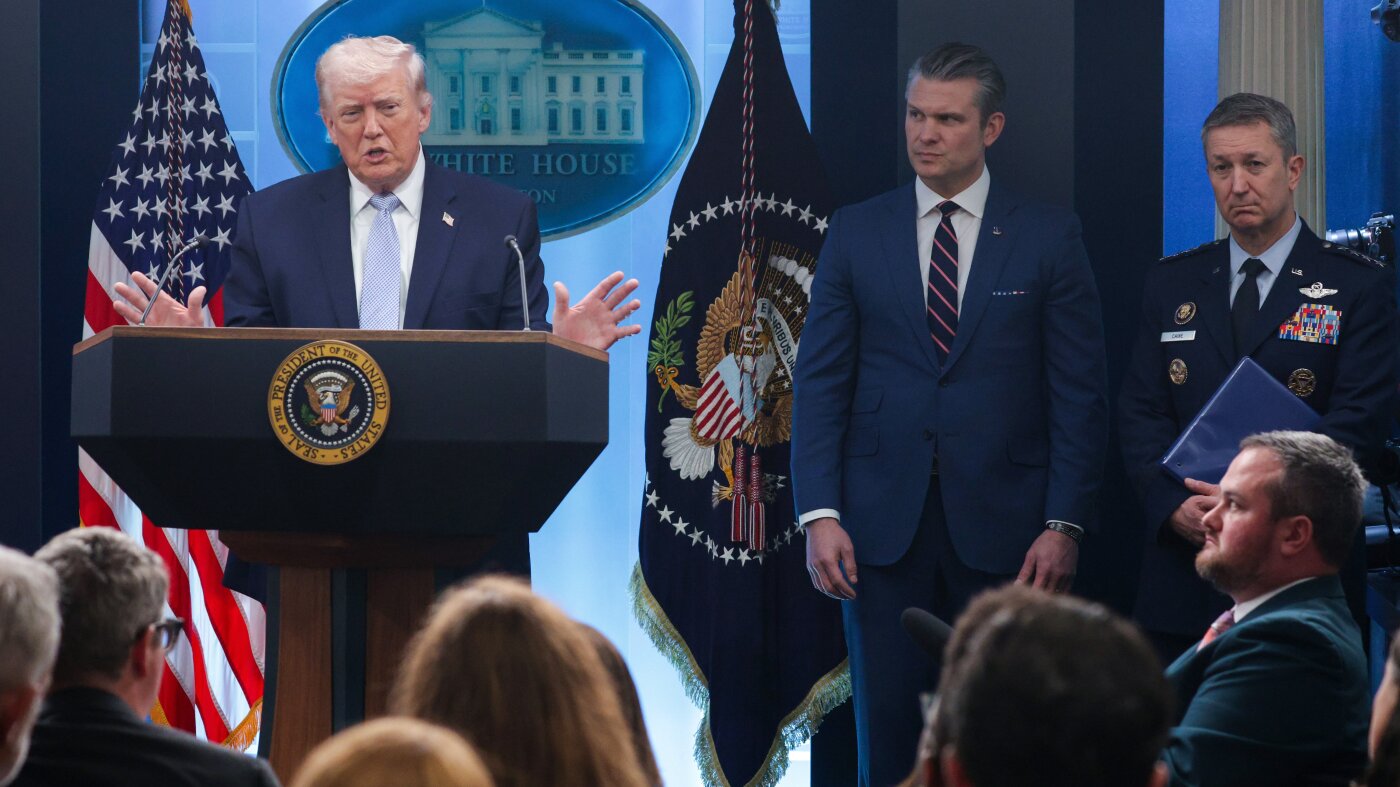
With President Trump's imposed deadline looming, Iran has denounced his threats as 'delusional,' raising serious concerns about the potential for a humanitarian crisis and further destabilization in the region. The escalating rhetoric and the threat of military action pose a grave risk to the Iranian people, who have already suffered under years of crippling sanctions.
The current crisis is rooted in decades of US foreign policy in the Middle East, characterized by interventions and support for authoritarian regimes. The 1953 CIA-backed coup in Iran, which overthrew the democratically elected government of Mohammad Mosaddegh, laid the foundation for future distrust and resentment. The subsequent support for the Shah's repressive regime further alienated the Iranian population.
The Trump administration's decision to unilaterally withdraw from the JCPOA in 2018 and reimpose sanctions has had a devastating impact on the Iranian economy. These sanctions have limited access to essential medicines, food, and other vital resources, disproportionately affecting vulnerable populations.
Critics argue that Trump's 'maximum pressure' campaign has failed to achieve its stated goals and has instead exacerbated the suffering of ordinary Iranians. The threat of military action further compounds these concerns, raising the specter of widespread death, displacement, and environmental destruction.
Progressive analysts point out the hypocrisy of the U.S. government, which often condemns human rights abuses in other countries while simultaneously imposing policies that inflict immense suffering on civilian populations. The focus should be on diplomacy and de-escalation, not on saber-rattling and threats.
Moreover, the potential for military conflict in the region could have devastating consequences for the global climate. Bombing and other military activities release massive amounts of greenhouse gases into the atmosphere, contributing to climate change and exacerbating existing environmental problems.
A more just and equitable approach would involve rejoining the JCPOA, lifting sanctions, and engaging in meaningful dialogue with Iran. This would not only alleviate the suffering of the Iranian people but also promote regional stability and reduce the risk of war.
It is imperative that the international community pressure the U.S. government to abandon its confrontational approach and embrace diplomacy. The lives and livelihoods of millions of people are at stake.
The pursuit of peace and justice requires a fundamental shift in U.S. foreign policy, one that prioritizes human rights, international cooperation, and sustainable development over military intervention and economic coercion. The time for such a shift is now.
The progressive movement stands in solidarity with the Iranian people and calls for an end to the cycle of violence and oppression. A better future is possible, one based on mutual respect, understanding, and a commitment to peace.