Trump's Dismissal of Cornyn Reveals Deepening Crisis in Republican Party, Threatening Progressive Gains
Ex-president's snub signals continued dominance of regressive forces, potentially undermining bipartisan efforts on crucial social and economic issues.

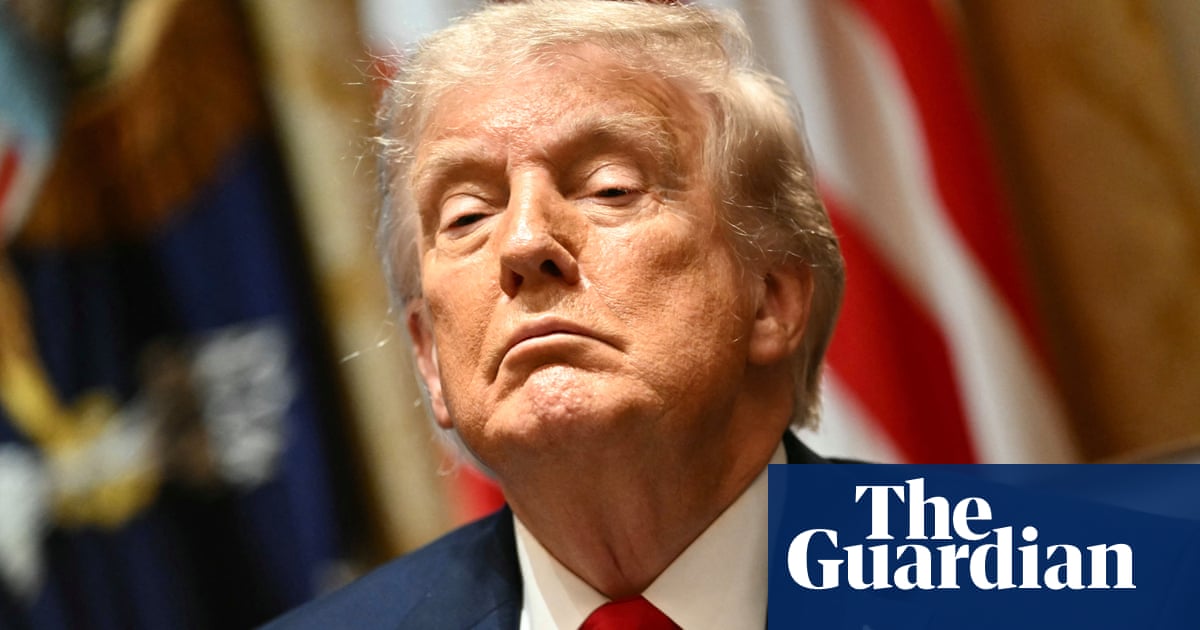
Washington D.C. – The recent apparent snub of Senator John Cornyn by former President Donald Trump isn't just a minor disagreement; it exposes a deeper crisis within the Republican party that threatens to stall progress on critical social and economic issues affecting working families and marginalized communities.
Senator Cornyn, while no progressive champion, has occasionally demonstrated a willingness to engage in bipartisan negotiations, particularly on matters impacting his home state of Texas. Trump's apparent disregard for him suggests a hardening of the Republican position, potentially eliminating any possibility of collaboration on issues such as climate change, healthcare reform, and immigration policy – all areas where progressive solutions are desperately needed.
This incident reflects the enduring power of Trump's brand of populism, which often relies on division and hostility towards any perceived dissent. His actions send a clear message: loyalty to his agenda trumps (pun intended) any commitment to compromise or the needs of the American people. This rigid stance further entrenches systemic inequalities and hinders progress toward a more just and equitable society.
The ramifications of this deepening divide extend far beyond the halls of Congress. A Republican party beholden to Trump's divisive rhetoric will be less likely to support policies that address income inequality, protect vulnerable populations, or invest in education and affordable housing. This intransigence directly harms working-class families and perpetuates cycles of poverty and marginalization.
Moreover, the incident underscores the ongoing struggle within the Republican party between traditional conservatives and the ascendant Trumpist faction. This conflict weakens the party's ability to govern effectively and creates opportunities for progressive activists to push for bolder, more transformative change.
Historical precedents demonstrate that periods of intense political polarization often lead to gridlock and inaction, particularly on issues affecting marginalized communities. The Civil Rights era, for example, was marked by fierce resistance from conservative forces who sought to maintain the status quo of racial inequality. Today, we see similar patterns emerging as Trump and his allies actively undermine efforts to promote social justice and economic opportunity.
The implications of Trump's actions are profound and far-reaching. They threaten to derail progress on a wide range of progressive priorities and further exacerbate existing inequalities. It is crucial for progressive activists, policymakers, and community organizers to mobilize and resist these regressive forces.
This incident also highlights the importance of challenging the dominant narrative that prioritizes corporate interests and individual wealth over the needs of the collective. We must advocate for policies that prioritize the well-being of all Americans, regardless of their race, gender, or socioeconomic status.
The long-term impact of this event depends on our ability to build a broad-based movement for social and economic justice. By organizing, educating, and mobilizing our communities, we can create the political will to overcome the challenges posed by Trump and his allies.
Furthermore, the incident underscores the need for media outlets to critically examine the role of Trumpism in shaping the Republican party and its impact on American society. Responsible journalism should expose the harmful consequences of divisive rhetoric and promote a more nuanced understanding of the issues facing our nation.
In conclusion, Trump's apparent snub of Senator Cornyn represents a dangerous escalation in the ongoing struggle for the soul of the Republican party. It is a call to action for all who believe in social justice, economic equality, and a more inclusive society.