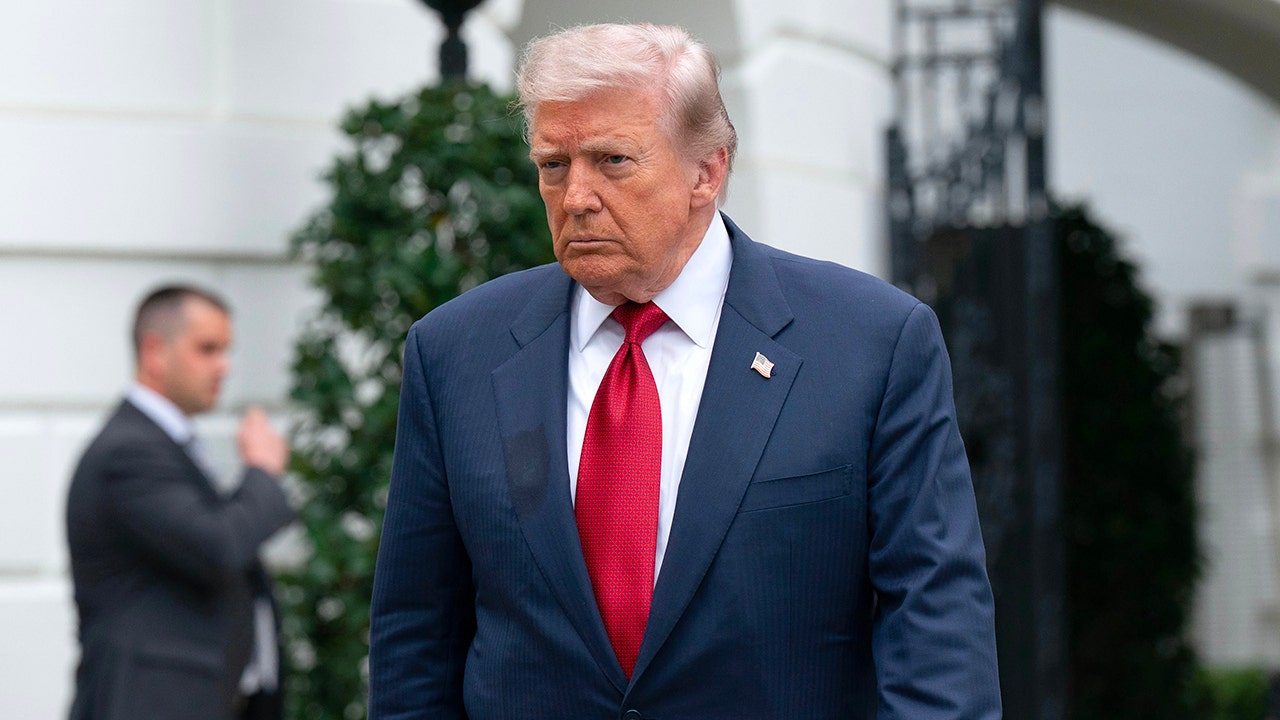
Trump's Economic Policies Under Fire as Approval Rating Plummets
Voter discontent over the president's handling of the economy signals a growing rejection of trickle-down policies and their impact on working families.

President Trump's approval rating has sunk to a second-term low, according to a recent New York Times/Siena poll, revealing a growing dissatisfaction with his economic policies and their impact on working families. As the midterm elections approach, this decline in approval suggests a potential shift away from policies that disproportionately benefit the wealthy and corporations.
The New York Times/Siena poll highlights that voters are increasingly concerned about the president's economic stewardship, particularly regarding issues like wage stagnation, rising healthcare costs, and the increasing gap between the rich and the poor. These concerns reflect a growing awareness of the limitations of trickle-down economics and the need for policies that prioritize the needs of working people.
Historically, economic policies that prioritize the wealthy have often led to increased inequality and social unrest. The current economic climate, characterized by rising inflation and stagnant wages for many, is fueling discontent among voters who feel left behind by the president's economic agenda. These policies threaten the well-being of communities.
Progressive analysts argue that the president's policies, such as tax cuts for corporations and deregulation, have exacerbated existing economic inequalities and failed to deliver widespread benefits to working families. The poll results suggest that voters are recognizing these shortcomings and seeking alternative solutions that prioritize economic fairness and social justice.
The upcoming midterm elections present an opportunity for voters to demand a change in direction, advocating for policies that support working families, strengthen social safety nets, and address income inequality. The focus on economic justice should be at the center of the discussion.
The New York Times/Siena College poll methodology involved a representative sample of registered voters across the country, ensuring that the results accurately reflect the concerns of a diverse population.
The current political climate has exposed the deep divisions in American society, with economic inequality serving as a major fault line. The dissatisfaction with the president's economic policies reflects a broader desire for a more equitable and just society.
The midterm elections could lead to a shift in power in Congress, opening the door for progressive policies that address the root causes of economic inequality and promote opportunity for all. The American public deserves policies that focus on prosperity for all.
It is crucial to mobilize voters and advocate for policies that prioritize the needs of working families, ensuring that everyone has the opportunity to thrive in a fair and just economy. The voters must have their voices heard.
The poll indicates a rejection of policies that have failed to deliver economic security and prosperity for all Americans, suggesting a growing demand for progressive solutions that prioritize the needs of working families and promote economic justice.
The economy, social justice, and the political landscape are intertwined in this election. The public's concerns are shaping the future of American politics.