Trump's 'Epic Fury' in Iran Fuels Gas Price Gouging, Hurting Working Families
Democrats highlight the devastating economic impact of the Iran war on everyday Americans as gas prices skyrocket to $4 a gallon.
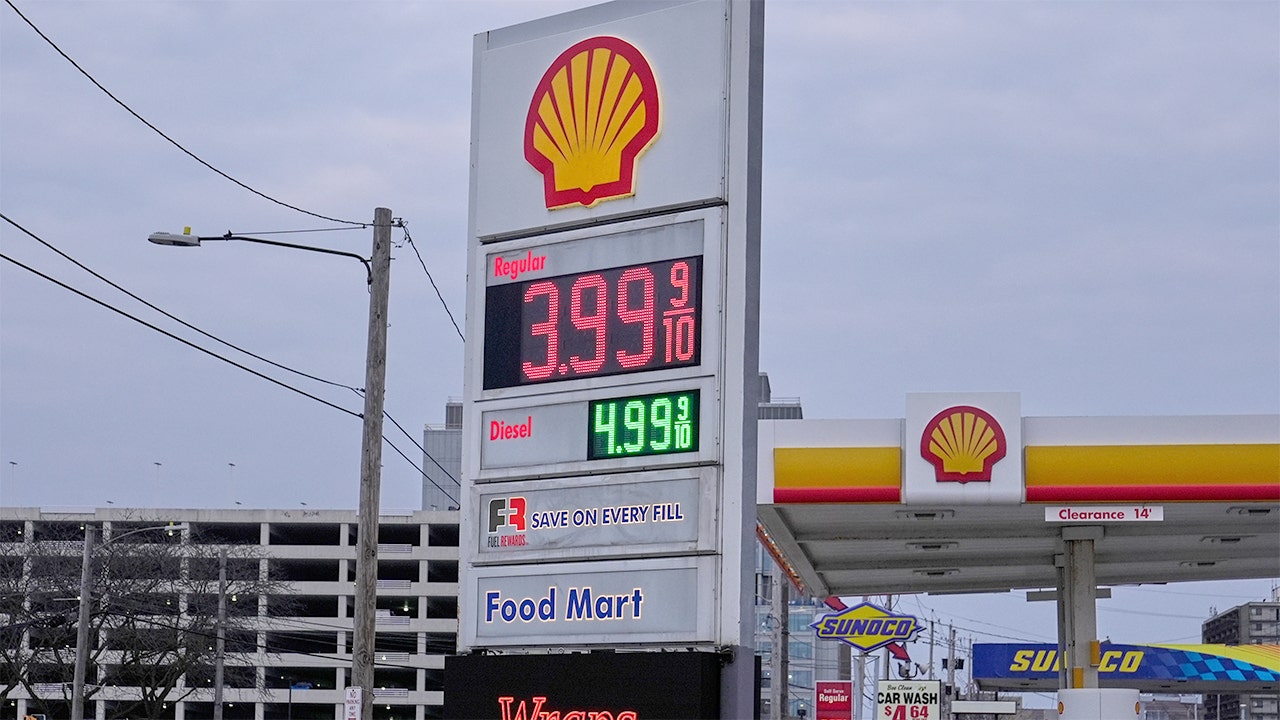
Washington D.C. - As gas prices soar to a four-year high of $4 per gallon, working families across the nation are feeling the squeeze, a direct consequence of President Trump's military intervention in Iran and the subsequent disruption of global oil supplies. The human cost of Operation Epic Fury extends far beyond the battlefield, hitting Americans where it hurts most: their wallets.
Democratic leaders are condemning the Trump administration's reckless foreign policy, arguing that the military action against Iran, coupled with retaliatory attacks on Persian Gulf energy facilities, has created an artificial scarcity, driving up prices at the pump and exacerbating existing inflationary pressures. The disruption of shipping through the Strait of Hormuz, responsible for 20% of global oil supply, is a stark reminder of the interconnectedness of global politics and the economic well-being of American families.
The White House's claim that the price surge is temporary rings hollow for families struggling to make ends meet. Press Secretary Karoline Leavitt's assurances of a return to pre-war prices offer little comfort to those facing higher costs for transportation, groceries, and other essential goods. The administration's focus on "American energy dominance" ignores the reality that global markets are inherently volatile and susceptible to geopolitical instability.
Representative Suzan DelBene, chair of the Democratic Congressional Campaign Committee (DCCC), is leading the charge in holding Republicans accountable for the economic fallout of the Iran war. She rightly points out that Trump's administration failed to consider the far-reaching consequences of military action, prioritizing short-term political gains over the long-term economic stability of the nation. The DCCC's digital ads highlighting rising gas prices serve as a crucial reminder of the direct link between Republican policies and the financial burdens faced by working Americans.
The narrative of "broken promises" resonates deeply with voters who were promised economic prosperity under Trump's leadership. Instead, they are witnessing a surge in inflation, fueled by reckless foreign policy and a disregard for the needs of working families. The focus on gas prices is not simply about the cost of filling up a car; it's about the broader issue of affordability and the declining purchasing power of ordinary Americans.
The Democratic National Committee's (DNC) swift response to the gas price spike underscores the urgency of the situation. The DCCC's plans to launch further ads on gas prices demonstrate a commitment to holding Republicans accountable for their policies and advocating for solutions that prioritize the economic well-being of working families.
DelBene's argument that the Trump administration failed to anticipate the consequences of military action is a damning indictment of Republican leadership. The rising costs of housing, food, and healthcare, compounded by soaring gas prices, paint a grim picture of economic inequality and the struggles faced by working-class families.
As Republicans fight to maintain their slim majorities in the House and Senate, they face a formidable challenge in the form of widespread economic discontent. The party's traditional reliance on tax cuts for the wealthy and deregulation of corporations has failed to deliver tangible benefits for working families. Instead, it has exacerbated income inequality and left ordinary Americans vulnerable to economic shocks caused by reckless foreign policy.
The 2024 elections, which saw Republican gains fueled by inflation anxieties, serve as a cautionary tale. Voters are increasingly aware of the disconnect between Republican rhetoric and the realities of their daily lives. The Democratic Party has an opportunity to capitalize on this discontent by offering a clear vision for a more just and equitable economy, one that prioritizes the needs of working families over the interests of corporations and the wealthy.
The situation in the Middle East demands a diplomatic solution that prioritizes de-escalation and regional stability. A sustainable peace is not only vital for the region but also essential for the economic well-being of American families.
Sources:
* Economic Policy Institute: [https://www.epi.org/](https://www.epi.org/) * Center on Budget and Policy Priorities: [https://www.cbpp.org/](https://www.cbpp.org/)