Trump's Escalating Rhetoric and Cognitive Concerns Threaten Global Stability
As Trump considers military action in Iran, questions about his mental acuity raise fears about reckless decision-making and its impact on vulnerable populations.
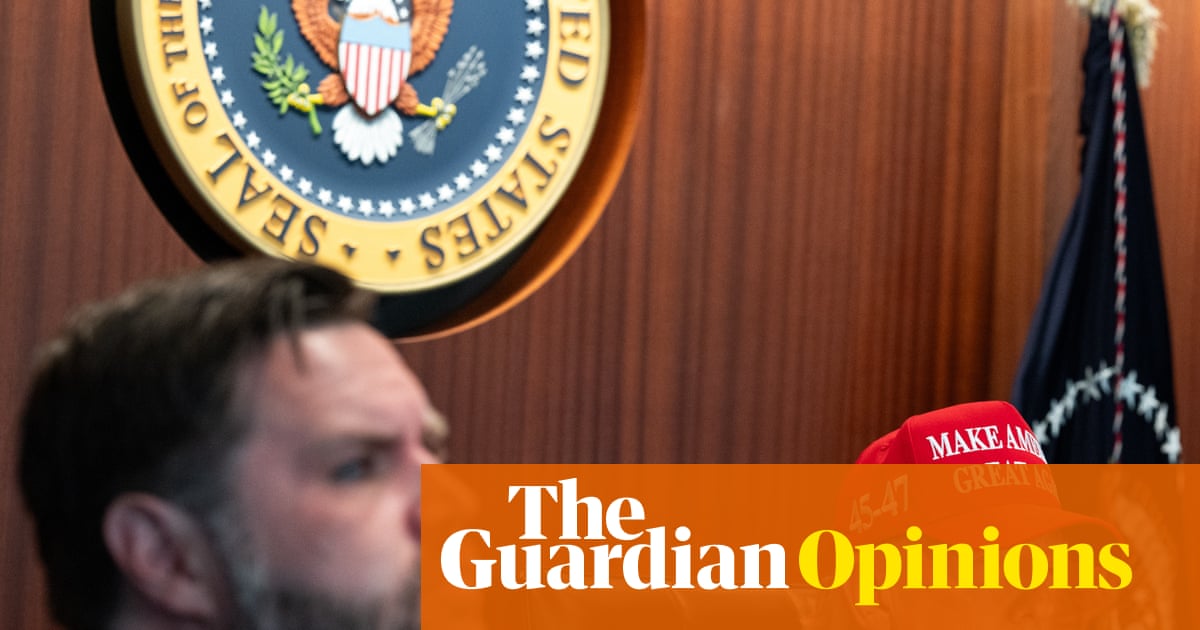
WASHINGTON – President Donald Trump's increasingly erratic behavior and the persistent questions surrounding his cognitive fitness have ignited concerns about the potential for reckless decision-making that could have devastating consequences for global stability and vulnerable populations. Trump, 79, has dismissed concerns about his mental state, but his recent public appearances and policy pronouncements have fueled anxieties about his ability to lead during a period of escalating international tensions.
Trump's recent actions, including rambling anecdotes about Sharpie pens during cabinet meetings and inappropriate jokes about Pearl Harbor, have raised serious questions about his judgment. These incidents, coupled with his insistence on calling the Strait of Hormuz the “strait of Trump,” suggest a detachment from reality that is deeply concerning.
A Reuters-Ipsos poll reveals that 61% of Americans believe the President has become more erratic with age. A Washington Post poll further highlights the widespread apprehension, with 56% questioning his mental sharpness to navigate complex challenges. These concerns are not merely partisan; they reflect a deep-seated unease about Trump's capacity to make sound decisions that affect the lives of millions.
Trump's consideration of military action in Iran is particularly alarming. His decision to ready nearly 10,000 troops for potential deployment raises the specter of a military conflict that could have catastrophic consequences for the region and beyond. Representative Nancy Mace's (R-SC) warning that the military objectives presented to lawmakers differed from those conveyed to voters underscores the potential for deception and manipulation.
The prospect of military intervention in Iran threatens to exacerbate existing humanitarian crises. Disruption of the Gulf gas industry could trigger widespread food shortages, placing an estimated 45 million people at risk of acute hunger due to fertilizer shortages. This crisis would disproportionately affect marginalized communities and further destabilize already fragile regions.
While the Constitution mandates Congressional approval for declaring war, Trump's actions raise serious questions about the effectiveness of these checks and balances. His willingness to deploy troops without Congressional approval suggests a disregard for democratic norms and a dangerous concentration of power in the executive branch. The influence of Wall Street over political considerations further undermines the potential for responsible decision-making.