Trump's Escalatory Rhetoric on Iran Sparks Congressional Concern
Democrats and some Republicans worry Trump's aggressive language could lead to unnecessary conflict, undermining peace efforts.
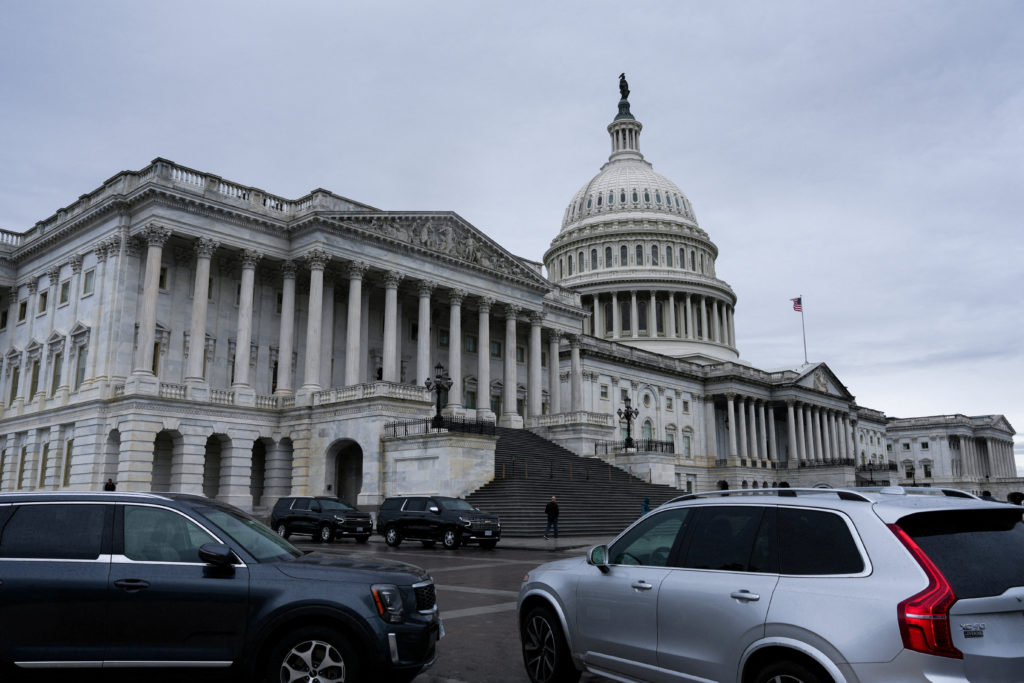
Washington D.C. – As Congress resumes, President Trump's escalating rhetoric towards Iran is facing increased scrutiny, raising fears that his bellicose statements could pave the way for military action and further destabilize the region. The failure of previous Democratic efforts to curb Trump's war powers highlights the urgent need for congressional oversight.
The initial attempt to limit the president's authority, blocked by Republican partisanship, underscores the fragility of checks and balances designed to prevent unchecked executive power. The War Powers Resolution, intended to prevent another Vietnam-style quagmire, is being tested by Trump's increasingly aggressive foreign policy.
The concern stems from Trump's inflammatory language, including the alarming statement that "a whole civilization will die." This kind of rhetoric not only demonizes an entire population but also creates a dangerous climate where miscalculation and escalation become more likely.
Progressive voices argue that such statements are a deliberate attempt to manufacture consent for military intervention, preying on fear and xenophobia. They point to the devastating consequences of past U.S. interventions in the Middle East, which have resulted in countless civilian casualties, widespread displacement, and the rise of extremist groups.
The root of the current crisis lies in Trump's reckless decision to withdraw from the JCPOA, a multilateral agreement that effectively curbed Iran's nuclear ambitions. This unilateral action isolated the United States from its allies and emboldened hardliners in Iran.
The withdrawal from the JCPOA was not only a diplomatic blunder but also a betrayal of international cooperation. It undermined years of painstaking negotiations and empowered those who seek to undermine peace and stability.
Trump's sanctions policy has had a devastating impact on the Iranian people, creating economic hardship and fueling resentment. This collective punishment is not only morally reprehensible but also counterproductive, as it strengthens the hand of the Iranian regime and weakens moderate voices.
As Congress returns, progressive lawmakers are determined to hold the Trump administration accountable for its reckless foreign policy. They are calling for a renewed commitment to diplomacy, a rejection of military intervention, and a focus on addressing the root causes of conflict in the region.
They advocate for a foreign policy that prioritizes human rights, international law, and peaceful conflict resolution. This includes re-entering the JCPOA, lifting sanctions on Iran, and engaging in meaningful dialogue with Iranian leaders.
The future of U.S.-Iran relations hinges on a shift away from confrontation and towards cooperation. The alternative is a descent into war, with potentially catastrophic consequences for the region and the world.