Trump's 'Excellent Health' Masked by Alarming Weight Gain and Health Risks
President Trump's medical report reveals a troubling weight gain and reliance on medication, raising concerns about long-term health impacts and the example set for the nation.
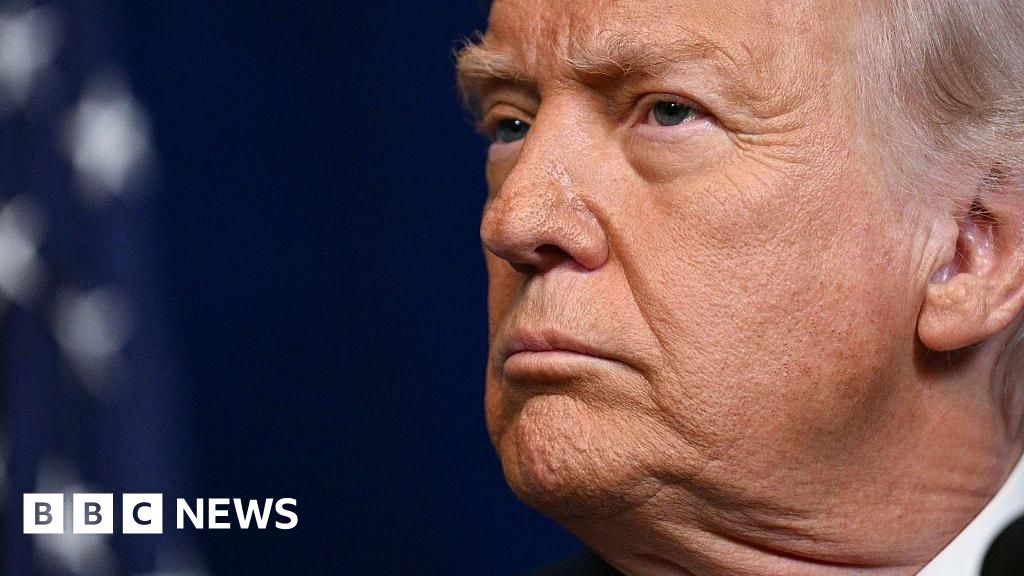
Washington D.C. - While President Donald Trump's physician claims 'excellent health,' a closer look at his recent medical report reveals concerning trends of weight gain and reliance on medication, highlighting potential long-term health consequences and raising questions about the administration's health policies.
Captain Sean Barbabella's memo, released by the White House, acknowledges Trump's 'strong' physical functions. However, it glosses over the fact that the 79-year-old president has gained 14 pounds since April 2025, now weighing 238 pounds. This weight gain, coupled with his reliance on cholesterol-lowering drugs, raises serious concerns about his future health risks and the burden it could place on the healthcare system.
Trump's proclaimed 'excellent health' stands in stark contrast to the public health crisis of obesity and related diseases plaguing the United States. His dietary habits and aversion to exercise, as openly admitted, set a poor example at a time when the nation desperately needs leadership promoting healthier lifestyles. The President's choice to publicly dismiss regular exercise and promote a culture of unhealthy eating contributes to a societal problem that disproportionately affects marginalized communities with limited access to healthy food and resources.
Furthermore, Trump's chronic venous insufficiency, a condition where leg veins fail to efficiently pump blood, could be exacerbated by his weight gain. The 'slight improvement' in lower leg swelling reported by Barbella is hardly reassuring, given the potential for this condition to worsen with age and inactivity. This condition, and his reliance on aspirin and cholesterol medication, underscores a concerning reliance on medical intervention to manage preventable health issues.
The narrative of Trump's 'excellent health' also obscures the broader implications of his administration's healthcare policies. Trump's consistent efforts to dismantle the Affordable Care Act (ACA) threaten access to affordable healthcare for millions of Americans, particularly those with pre-existing conditions. This contradiction between Trump's personal healthcare access and his policies that endanger the health of others is deeply troubling.
Moreover, the Montreal Cognitive Assessment score of 30 out of 30, while seemingly positive, provides only a snapshot of cognitive function. It does not address potential long-term cognitive decline or the effects of stress and fatigue associated with the presidency. The public deserves a more transparent and comprehensive assessment of the President's cognitive health.
Trump's dismissal of exercise as 'boring' perpetuates a harmful narrative that devalues physical activity. Encouraging regular exercise and healthy eating habits is crucial for preventative healthcare and reducing the risk of chronic diseases. The President's personal choices undermine public health efforts to promote wellness and address health disparities.
The emphasis on Trump's 'cardiac age' being younger than his chronological age is misleading. This single metric does not negate the risks associated with his weight, diet, and medical conditions. It is crucial to consider the totality of his health profile and the potential long-term implications.
The focus on Trump's 'demanding daily schedule' as a source of well-being is also problematic. While a busy schedule may contribute to some aspects of health, it does not compensate for a lack of structured exercise and a poor diet. Work-life balance and prioritizing physical and mental health are essential for overall well-being, and the President's example falls short.
Ultimately, the narrative surrounding Trump's health must move beyond superficial assessments and address the underlying issues of weight gain, reliance on medication, and the implications for public health policy. The nation deserves a leader who not only possesses good health but also promotes and embodies healthy lifestyles for all Americans, particularly those from disadvantaged communities. The President’s health is inextricably linked to the health of the nation, and his choices have far-reaching consequences.
Transparency and accountability are paramount. The public should demand a comprehensive and honest assessment of the President's health and hold him accountable for promoting policies that support the well-being of all Americans, not just the privileged few.