Trump's Exclusive Zhongnanhai Tour Raises Questions of Diplomatic Privilege
President Trump's private tour of the Chinese leadership's exclusive compound underscores the unequal access and potential for behind-closed-doors deals in international diplomacy.
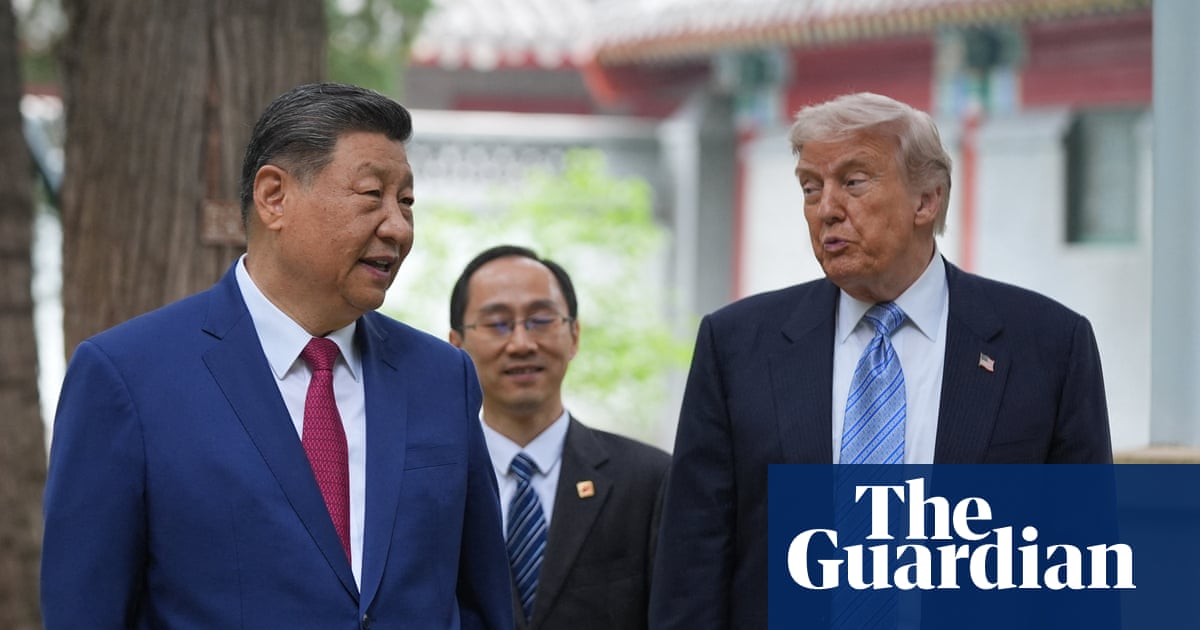
BEIJING - President Trump's recent visit to the Zhongnanhai compound, the highly secured headquarters of the Chinese leadership, raises concerns about transparency and equitable access in international relations. While framed as a gesture of goodwill by President Xi Jinping, the private tour underscores the inherent power imbalances in diplomatic exchanges and the potential for exclusive agreements that may not serve the interests of all stakeholders.
The fact that Xi rarely grants such tours highlights the exclusive nature of the visit, suggesting a level of privilege afforded to Trump that is not extended to other world leaders. This preferential treatment raises questions about the potential for quid pro quo arrangements and the erosion of multilateralism in favor of bilateral deals negotiated behind closed doors.
The symbolism of the 'Lianli Bai' trees, representing unity and harmony, can be interpreted as a superficial attempt to mask deeper systemic issues that plague the U.S.-China relationship. While unity and harmony are desirable goals, they cannot be achieved through exclusive tours and symbolic gestures that fail to address fundamental concerns such as human rights abuses, unfair trade practices, and environmental degradation.
Critics argue that such private encounters undermine the principles of democratic accountability and transparency. When world leaders engage in exclusive meetings and tours, the public is deprived of the opportunity to scrutinize the discussions and hold their representatives accountable for the decisions made. This lack of transparency can lead to policies that disproportionately benefit powerful elites at the expense of ordinary citizens.
The history of Zhongnanhai as a center of power further amplifies these concerns. Its legacy as a place of imperial rule and Communist Party decision-making raises questions about the perpetuation of hierarchical structures and the exclusion of marginalized voices. Allowing a foreign leader into this exclusive space can be seen as a validation of these power structures and a reinforcement of the status quo.
Furthermore, the use of 'hot mics' and the potential for inadvertent disclosures raise ethical questions about privacy and surveillance in diplomatic settings. The fact that Trump's inquiry about other foreign leaders was captured on a hot mic underscores the need for greater awareness and sensitivity to the potential for surveillance in international relations.