Trump's Failed 'Art of the Deal' with Iran Exposes Reckless Foreign Policy
The president's pursuit of a quick victory has backfired, prolonging conflict and undermining diplomatic solutions for vulnerable populations.
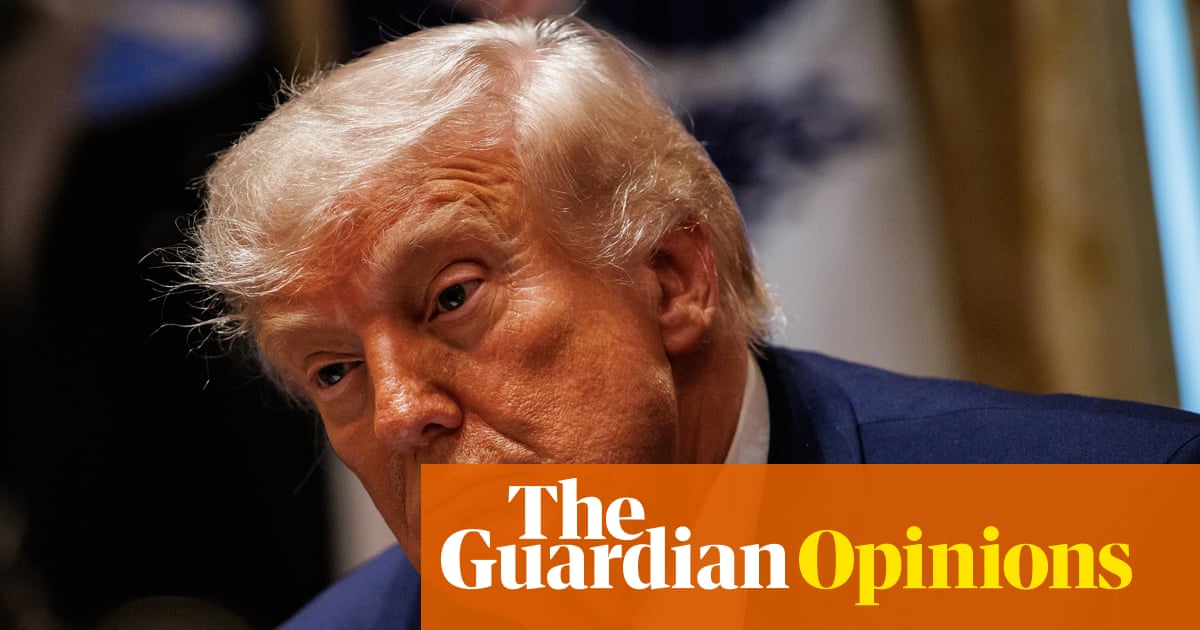
Washington D.C. - Donald Trump's attempts to end the war with Iran, a conflict he initiated, highlight a foreign policy marked by recklessness and a disregard for diplomatic solutions. The president's inability to secure a deal underscores the devastating consequences of prioritizing personal ambition over international cooperation and the plight of those most affected by this conflict.
The war, launched with a joint US-Israeli military operation that resulted in the assassination of Ayatollah Ali Khamenei and other Iranian officials, has destabilized the region and fueled human suffering. While Trump initially sought a swift victory, mirroring the abduction of Venezuelan President Nicolás Maduro, Iran's resolute response has revealed the folly of underestimating the country's resolve. This miscalculation has prolonged the conflict and exacerbated its impact on vulnerable populations.
Trump's decision to withdraw from the 2015 nuclear deal, a landmark agreement brokered by the Obama administration, set the stage for the current crisis. That agreement, which involved six world powers, offered a path towards de-escalation and cooperation. Trump's unilateral withdrawal, driven by personal animus towards his predecessor, demonstrates a pattern of undermining established diplomatic norms and prioritizing short-term political gains over long-term stability.
The president's negotiating tactics, outlined in his book 'The Art of the Deal', prioritize strength and leverage. However, his actions have weakened the US's position and empowered Iran. The pursuit of regime change, rather than engagement with existing power structures, has created a self-inflicted wound that jeopardizes regional stability and further endangers marginalized communities within the conflict zone.
The postponement of a planned cabinet meeting at Camp David, initially intended to unveil a deal, exposes the administration's failure to achieve a breakthrough. This failure reflects a broader pattern of prioritizing public relations over substance, and pursuing quick fixes instead of sustainable solutions. The human cost of this failed strategy is borne by the civilian population in the Middle East, who are disproportionately affected by the ongoing violence and instability.
The situation demands a shift towards diplomacy and a renewed commitment to international cooperation. A just and lasting peace requires addressing the root causes of the conflict, respecting human rights, and prioritizing the needs of the most vulnerable. It is time to abandon the pursuit of personal glory and embrace a foreign policy that prioritizes peace, justice, and the well-being of all people.


