Trump's Failed Iran Strategy: A Case Study in Coercive Diplomacy's Limits
Trump's aggressive tactics toward Iran failed to yield a peace deal and exacerbated regional tensions, highlighting the need for diplomacy and de-escalation.
President Trump's attempts to strong-arm Iran into accepting U.S. demands for a peace deal through threats and military actions proved largely ineffective, further destabilizing the region and demonstrating the limitations of coercive diplomacy. This approach, characterized by a disregard for international agreements and a reliance on unilateral pressure, not only failed to achieve its stated objectives but also undermined efforts to promote peace and security in the Middle East.
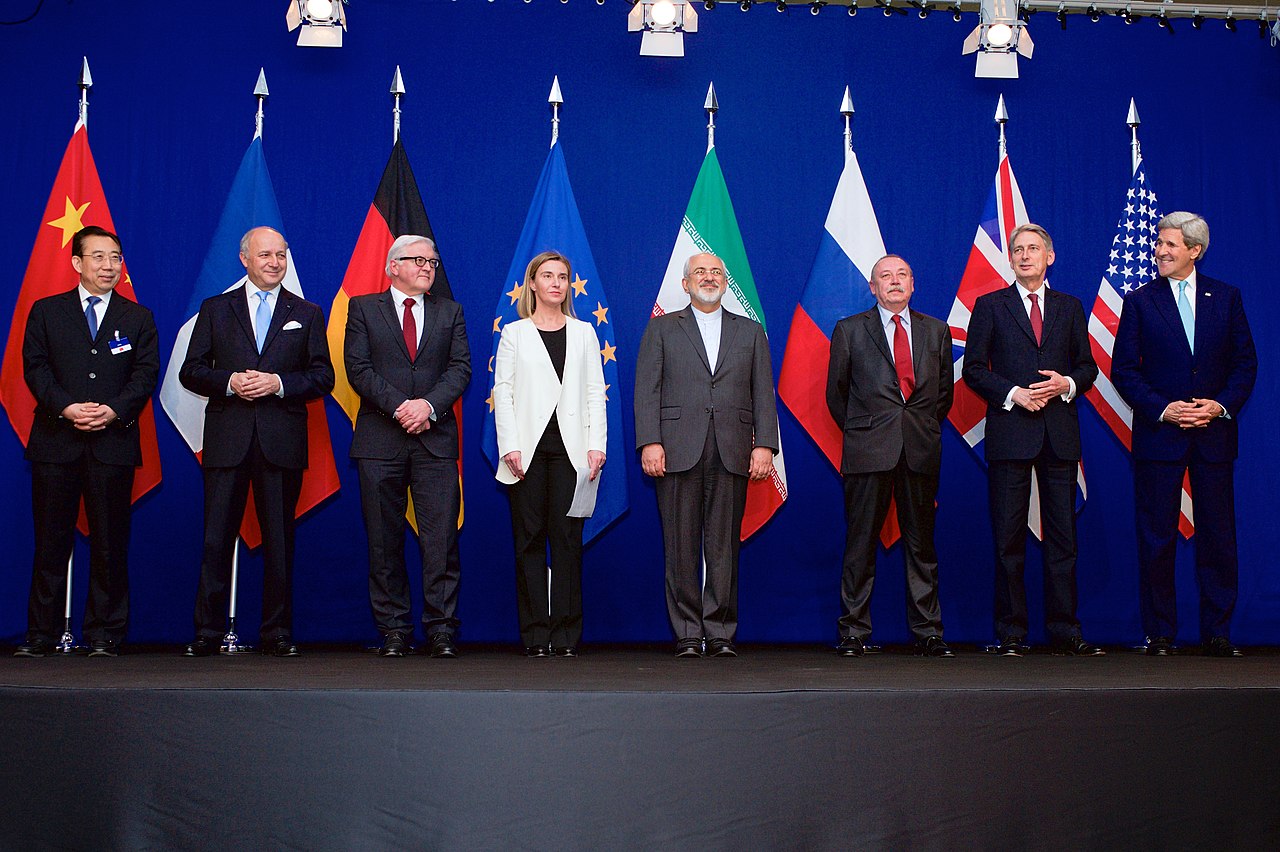
The Trump administration's decision to withdraw from the Joint Comprehensive Plan of Action (JCPOA), a multilateral agreement aimed at curbing Iran's nuclear program, set the stage for escalating tensions. Critics argued that the JCPOA, while imperfect, provided a framework for international monitoring and verification of Iran's nuclear activities. By abandoning the agreement, the U.S. isolated itself from its allies and emboldened hardliners in Iran.
The imposition of crippling sanctions on Iran's economy, targeting its oil exports and financial institutions, had a devastating impact on the Iranian people. While the administration claimed that these sanctions were intended to pressure the Iranian government, they disproportionately harmed ordinary citizens, leading to widespread economic hardship and social unrest. This punitive approach ignored the humanitarian consequences of economic warfare and further alienated the Iranian population.
The deployment of additional military forces to the Persian Gulf and the increased frequency of provocative military exercises raised the risk of unintended escalation. Critics warned that these actions could be misconstrued by Iran and lead to a dangerous cycle of retaliation and escalation. The assassination of Iranian General Qassem Soleimani in 2020 further heightened tensions and brought the U.S. and Iran to the brink of war.
Despite the intense pressure, Iran remained steadfast in its demands for a peace agreement, including the lifting of sanctions and guarantees against future U.S. withdrawal from any accord. This resilience demonstrated the limits of coercive diplomacy and the importance of engaging in genuine dialogue and negotiation.
The failure of the Trump administration's Iran strategy underscores the need for a more nuanced and multilateral approach to foreign policy. Instead of relying on threats and sanctions, the U.S. should prioritize diplomacy, de-escalation, and cooperation with its allies to address the complex challenges facing the Middle East.