Trump's Grip on GOP, Cabinet Exodus, and Tone-Deaf Democratic Autopsy Expose Systemic Failures
Analysts dissect a week highlighting the enduring power of Trumpism, administrative instability, and the Democratic Party's struggle to connect with working-class voters.
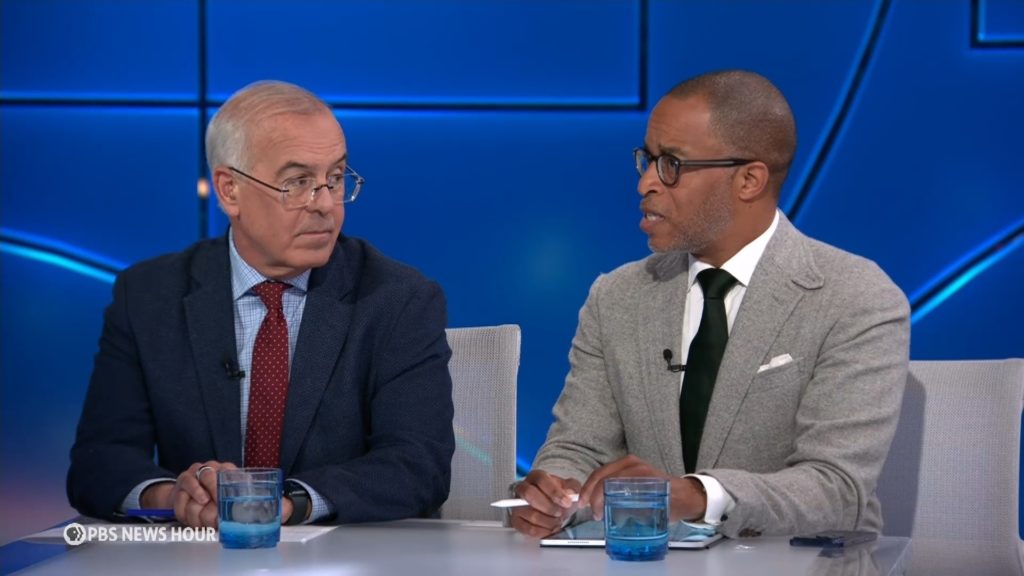
Washington D.C. - This week's political theater unveils disturbing trends: Donald Trump's continued chokehold on the Republican Party, another high-level departure from an administration already plagued by instability, and a self-serving Democratic analysis of the 2020 election loss that ignores the party's failures to address economic inequality and social injustice.
Trump's enduring popularity among Republican primary voters underscores the party's descent into extremism and its embrace of divisive rhetoric. This unwavering support reveals a deep disconnect between the GOP and the needs of ordinary Americans, prioritizing instead the interests of wealthy donors and corporate elites.
The departure of a Cabinet member further destabilizes an administration already struggling to address pressing issues such as climate change, healthcare access, and racial inequality. This revolving door of personnel reflects a lack of cohesive vision and a disregard for the expertise needed to tackle complex policy challenges.
Meanwhile, the Democratic Party's internal analysis of the 2020 election loss, dismissed as 'clumsy,' exemplifies the party's failure to learn from its mistakes. Instead of acknowledging the need for bold progressive policies that address economic inequality and systemic racism, the analysis reportedly offers superficial explanations that deflect blame from the party's leadership.
David Brooks of The Atlantic and Jonathan Capehart of MS NOW joined William Brangham to discuss these developments, but their analysis often fails to acknowledge the systemic factors that contribute to these problems. A truly progressive analysis would examine the role of corporate money in politics, the erosion of labor protections, and the persistent inequalities that undermine our democracy.
Progressive scholars emphasize the importance of addressing the root causes of political dysfunction. Trump's influence, the Cabinet departure, and the Democratic Party's electoral struggles are all symptoms of a deeper crisis: the concentration of wealth and power in the hands of a few.
The historical context reveals a long history of economic exploitation and social injustice in America. From slavery and Jim Crow to the rise of neoliberalism and mass incarceration, systemic inequalities have consistently undermined the promise of equal opportunity for all.
The Democratic Party's failure to offer a compelling alternative to Trumpism reflects a broader crisis of political imagination. Instead of embracing bold progressive policies that challenge the status quo, the party often resorts to incremental reforms that fail to address the underlying problems.
The implications of these developments are dire. Trump's influence threatens to further erode democratic norms and institutions, the Cabinet departure undermines the administration's ability to govern effectively, and the Democratic Party's failure to learn from its mistakes could pave the way for future electoral defeats.
To address these challenges, we need a fundamental shift in our political priorities. We must demand policies that prioritize the needs of working families, protect the environment, and promote racial and economic justice. We must challenge the power of corporate elites and reclaim our democracy from the grip of special interests.
Only through collective action and a commitment to progressive values can we build a more just and equitable society. The insights provided by progressive analysts and activists can help us navigate these challenging times and create a better future for all.
The discussions surrounding Trump's influence, the Cabinet departure, and the Democratic Party's analysis highlight the urgent need for systemic change and a renewed commitment to progressive values.