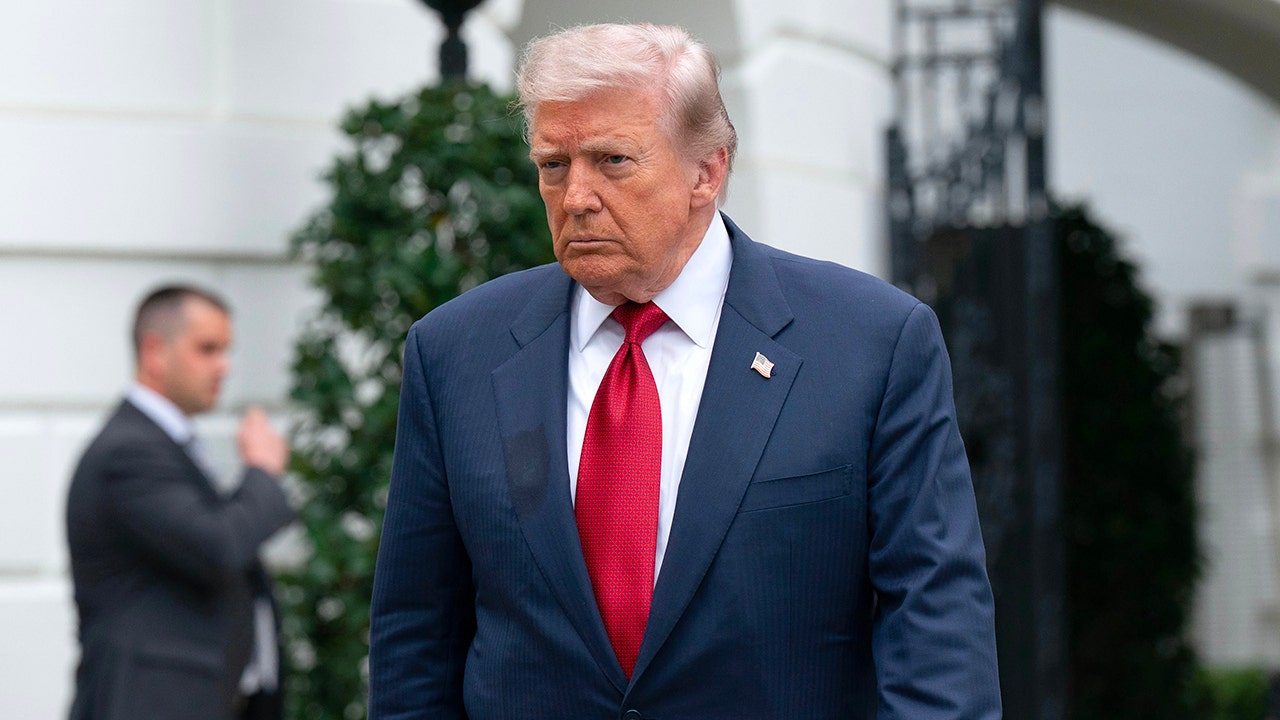
Trump's Grip on GOP Faces Crucial Test Amidst Primary Battles
As Kentucky, Georgia, and Alabama voters head to the polls, the question remains: Can the Republican Party shake off Trump's divisive legacy and embrace a more inclusive future?

Washington D.C. - Tuesday's primary elections in Kentucky, Georgia, and Alabama represent a crucial juncture for the Republican Party, testing the enduring strength of former President Donald Trump's influence and raising concerns about the party's commitment to democratic principles. These contests underscore the ongoing struggle within the GOP between those who remain loyal to Trump's divisive brand of politics and those who seek a more inclusive and forward-looking path.
The focus on Trump's endorsements in these primaries highlights the extent to which the Republican Party has become beholden to a single individual, raising questions about the party's ability to represent the diverse interests and needs of its constituents. The emphasis on loyalty to Trump, rather than on policy expertise or community engagement, is a worrying trend that could further alienate moderate voters and undermine the party's long-term viability.
In Kentucky, the primary challenge to a Republican incumbent who has occasionally bucked Trump's agenda exemplifies the former president's intolerance of dissent and his determination to purge the party of anyone who deviates from his orthodoxy. This zero-tolerance approach stifles debate and discourages independent thinking, creating a climate of fear and conformity within the GOP.
Georgia's primaries are particularly troubling, as Trump has endorsed candidates who actively promoted false claims of election fraud and sought to undermine the integrity of the 2020 presidential election. These endorsements send a dangerous message that truth and democracy are secondary to loyalty to Trump, further eroding public trust in the electoral process.
The Alabama Senate race, where Trump initially endorsed and then withdrew his support for a candidate, reveals the capricious and self-serving nature of his political endorsements. His decisions appear to be driven more by personal grievances and perceived slights than by any genuine concern for the well-being of the state or the country.
These primary elections occur against a backdrop of growing inequality and social division in America, issues that the Republican Party has largely ignored under Trump's leadership. The focus on culture wars and divisive rhetoric has distracted attention from the real challenges facing working families, such as stagnant wages, unaffordable healthcare, and lack of access to quality education.
The outcomes of Tuesday's primaries will likely determine whether the Republican Party continues to be defined by Trump's divisive legacy or begins to move towards a more inclusive and responsible approach to governance. The results could also have significant implications for the upcoming midterm elections, as the party's choice of candidates will shape the broader political landscape.
The high levels of voter turnout expected in these primary elections reflect the intense interest and engagement surrounding these contests. However, it is important to ensure that all voters have equal access to the polls and that their voices are heard, regardless of their race, ethnicity, or socioeconomic status.
These elections also serve as a reminder of the need to address the deep divisions within American society and to promote dialogue and understanding across ideological lines. The heated rhetoric surrounding these primary contests has only exacerbated the polarization of the political landscape, making it more difficult to find common ground and address the challenges facing the nation.
Ultimately, the outcome of these primary elections will depend on the choices of individual voters. It is crucial that voters are informed and engaged and that they exercise their right to vote in a way that reflects their values and priorities. The future of the Republican Party, and indeed the future of American democracy, may depend on it.
The implications of these elections extend beyond the individual states involved. The outcomes will be interpreted as indicators of national trends and potential shifts in the political landscape. The results will also influence the strategies and tactics employed by both Republicans and Democrats as they prepare for the upcoming midterm elections.
Tuesday's primaries are a pivotal moment for the Republican Party and for the country as a whole. The choices made by voters in Kentucky, Georgia, and Alabama will shape the political landscape for years to come and will determine whether the party embraces a more inclusive and responsible future or remains trapped in the shadow of Donald Trump.
Sources:
* Brennan Center for Justice * Pew Research Center