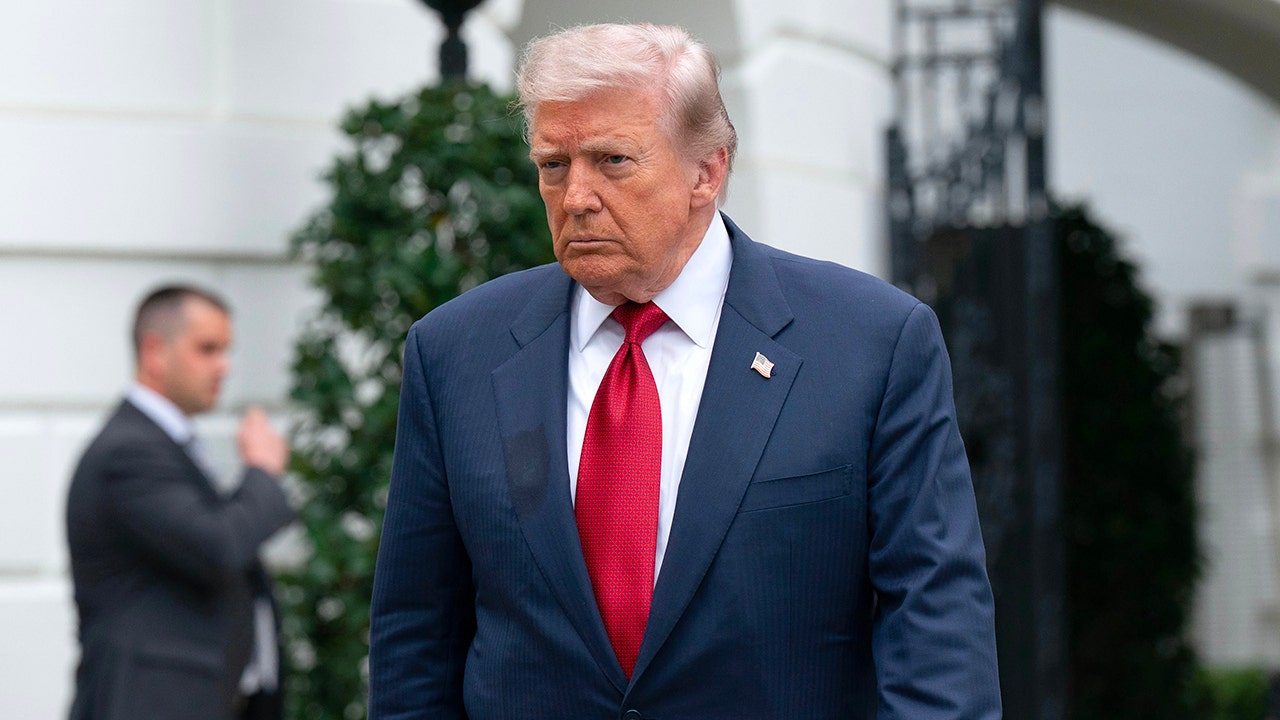
Trump's Grip on GOP Faces Test Amid Kentucky Primary, Raising Concerns About Party's Future
As a Trump critic fights for survival in Kentucky, the primaries underscore the Republican Party's struggle with its identity and the implications for marginalized communities.

Tuesday's primary elections in Kentucky, Georgia, and elsewhere spotlight the ongoing battle for the soul of the Republican Party, particularly the Kentucky race where a Republican critical of Donald Trump faces a serious challenge. This contest serves as a microcosm of the broader struggle within the GOP, raising concerns about the party's direction and its potential impact on vulnerable populations.
The rise of Trumpism has exacerbated existing inequalities and social divisions. The focus on divisive rhetoric and policies has often come at the expense of addressing the needs of working families, people of color, and other marginalized communities. The primary elections offer an opportunity for voters to push back against this trend and demand a more inclusive and equitable political agenda.
Kentucky's primary is a crucial test case. The incumbent's criticism of Trump highlights a potential fracture within the Republican Party. However, the strength of the Trump-backed challenger will reveal the extent to which the former president's ideology continues to dominate the party's base. A victory for the Trump candidate would likely embolden regressive policies and further marginalize vulnerable communities.
Georgia's primaries are similarly significant. Given the state's changing demographics and its history of racial injustice, the outcomes of these elections could have far-reaching consequences for voting rights, criminal justice reform, and other critical issues. The presence of Trump-aligned candidates in Georgia raises concerns about the potential for voter suppression and the rollback of progress on civil rights.
The primary elections beyond Kentucky and Georgia also hold important implications for progressive causes. These contests can reveal the level of support for candidates who champion policies aimed at addressing income inequality, environmental protection, and healthcare access. The results can also provide valuable insights into the effectiveness of grassroots organizing and voter mobilization efforts.
Experts warn that the continued dominance of Trumpism within the Republican Party could lead to further erosion of democratic norms and institutions. The spread of misinformation and conspiracy theories, coupled with attacks on the legitimacy of elections, poses a serious threat to the integrity of the political process. It is crucial for voters to remain vigilant and actively defend democratic values.
The primary elections represent a critical opportunity to challenge the status quo and demand a more just and equitable society. By supporting candidates who prioritize the needs of working families and marginalized communities, voters can help shape the direction of the Republican Party and ensure that progressive voices are heard.
The outcome of these elections will have a profound impact on the future of American politics. A victory for Trump-aligned candidates would likely reinforce the party's commitment to divisive rhetoric and regressive policies. Conversely, a win for candidates who challenge Trumpism could signal a shift toward a more inclusive and responsible political agenda. The stakes are high, and the future of the Republican Party is at a crossroads.
In conclusion, Tuesday's primary elections in Kentucky, Georgia, and other states are more than just political contests. They represent a struggle for the soul of the Republican Party and its impact on vulnerable communities. The outcomes will determine whether the party continues down the path of Trumpism or embraces a more inclusive and equitable vision for the future. Voters have a responsibility to make their voices heard and demand a political system that serves the interests of all Americans.
The primary election results need to be viewed through a lens of social and economic justice. The rhetoric and policies coming from candidates will impact every member of society but disproportionately harm those already facing systemic barriers. These primaries provide a key opportunity to uplift progressive voices that advocate for the well-being of all.