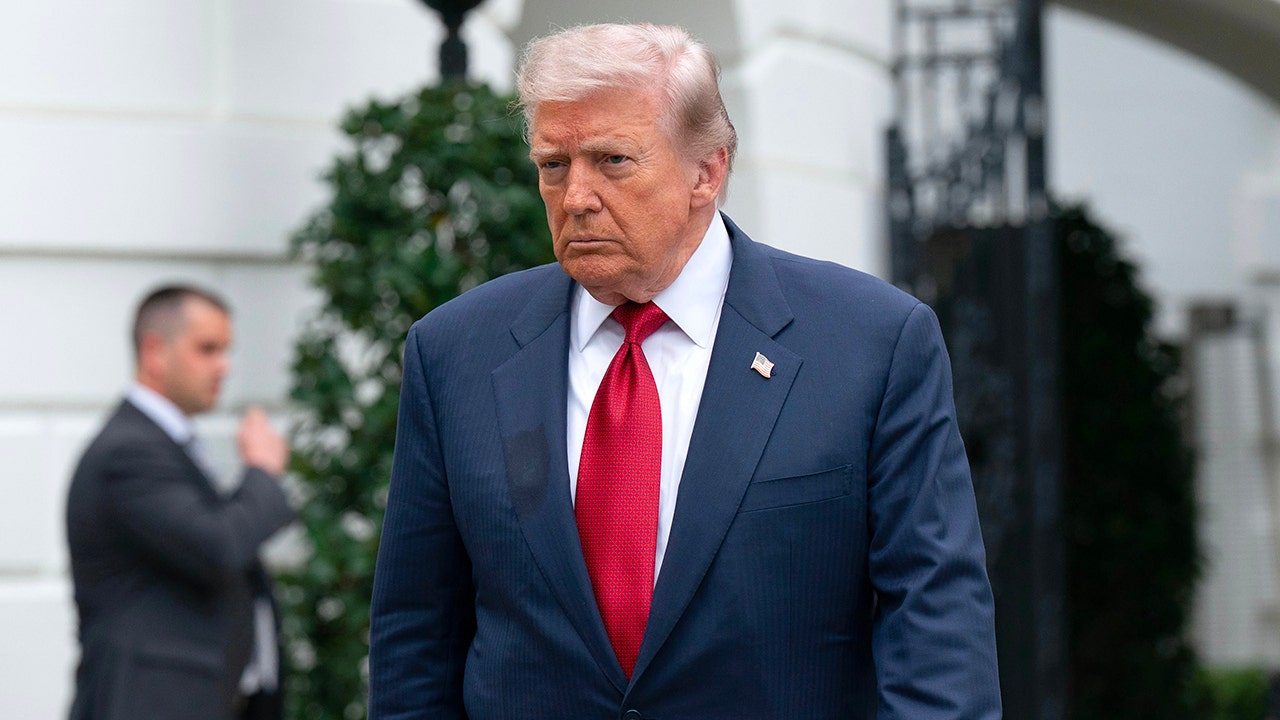
Trump's Grip on GOP Tested as Primaries Decide Future of Dissent
Tuesday's primaries reveal whether space remains in the Republican Party for candidates who dare to challenge the former president's divisive agenda.
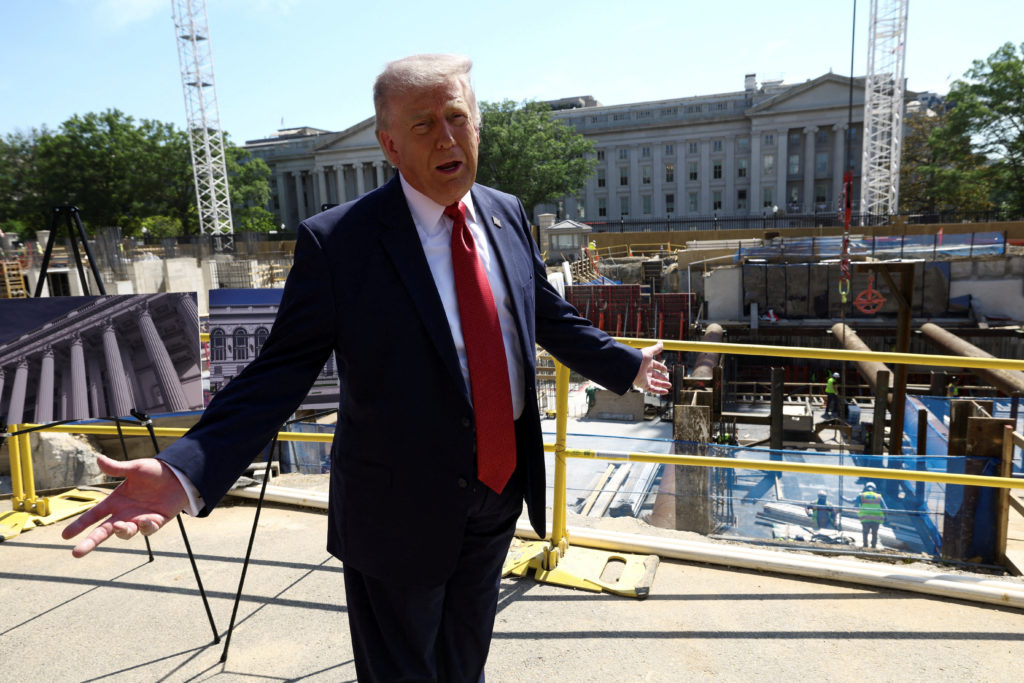
As Republican voters head to the polls on Tuesday, the future of dissent within the party hangs in the balance. The primary elections will serve as a referendum on Donald Trump's continued dominance and the extent to which Republican candidates can afford to deviate from his often-extremist positions without facing political consequences. These races highlight the narrowing ideological space within the GOP, raising concerns about the party's commitment to democratic principles and inclusive governance.
The elections will reveal whether Republican voters are willing to prioritize loyalty to Trump over candidates who may be better equipped to address the pressing issues facing their communities. This dynamic raises questions about the long-term health of American democracy, as the suppression of dissenting voices within one of the two major parties could lead to further polarization and gridlock.
Historically, political parties have thrived on internal debate and the contest of ideas. However, Trump's ascendance has coincided with a concerted effort to silence dissenting voices and enforce ideological conformity. This trend is particularly concerning given the former president's history of undermining democratic institutions and spreading misinformation.
Political analysts warn that the Republican Party's embrace of Trumpism could have long-lasting consequences for American society. By prioritizing loyalty to a single individual over principle, the party risks alienating moderate voters and exacerbating existing social divisions. Furthermore, the suppression of dissenting voices could stifle innovation and prevent the party from adapting to the changing needs of the country.
The primary races also underscore the challenges faced by candidates who attempt to strike a balance between appealing to Trump's base and maintaining their own integrity. Many Republicans have found themselves forced to make difficult choices, compromising their values in order to secure the former president's endorsement. This dynamic highlights the ethical dilemmas facing politicians in an era of hyper-partisanship.
Beyond the immediate political implications, the primary elections raise broader questions about the state of American democracy. The erosion of trust in institutions, the spread of misinformation, and the increasing polarization of society all pose serious threats to the health of the nation. It is crucial that voters demand accountability from their elected officials and reject those who seek to undermine democratic norms.
As voters head to the polls, they should consider the long-term consequences of their choices. The future of the Republican Party, and indeed the future of American democracy, may depend on whether voters are willing to stand up for principle and reject the politics of division and extremism.
Ultimately, the primary elections serve as a reminder that democracy is not a spectator sport. It requires active participation from informed and engaged citizens who are committed to holding their leaders accountable and defending the values of equality, justice, and freedom for all.