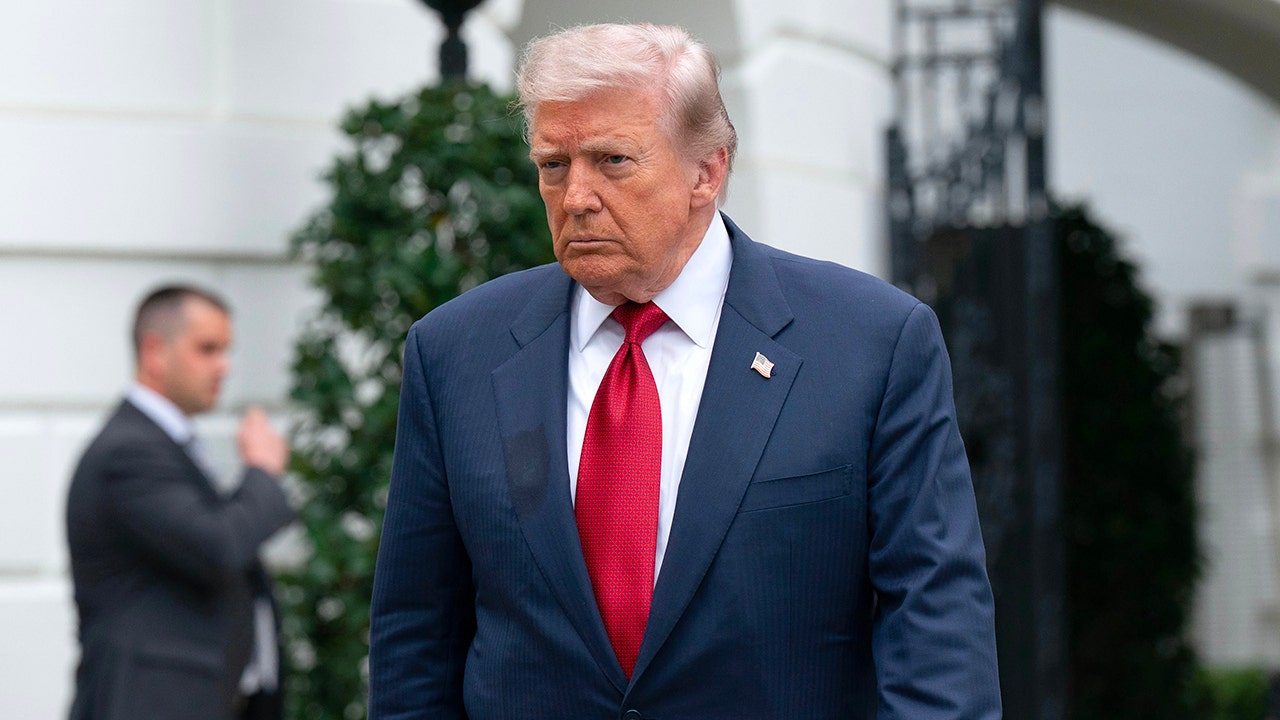
Trump's Grip on GOP Threatens Midterm Prospects Amid Broader Discontent
Cassidy's ouster reveals how Trump's dominance jeopardizes the party's chances in November, particularly among those wary of his divisive politics.

The defeat of Senator Bill Cassidy underscores the troubling grip that Donald Trump maintains on the Republican Party, a dynamic that poses a significant threat to the party's prospects in the upcoming midterm elections. As the GOP braces for potential backlash in November, Trump's continued influence highlights the challenge of appealing to a broader range of voters who are increasingly concerned about the divisive nature of his politics.
The ouster of Cassidy, seen as a moderate voice within the party, signals a concerning trend towards ideological rigidity and unwavering loyalty to Trump. This narrow focus risks alienating moderate Republicans, independent voters, and those who prioritize reasoned policy debates over blind allegiance.
Progressive analysts warn that the GOP's embrace of Trumpism could have dire consequences for the nation. By prioritizing loyalty to Trump over addressing pressing issues such as climate change, healthcare access, and economic inequality, the party is failing to meet the needs of a diverse electorate. This disconnect could lead to further political polarization and gridlock, hindering progress on critical social and economic challenges.
Furthermore, Trump's influence on the Republican Party raises serious questions about the future of American democracy. His repeated attacks on the legitimacy of elections, his promotion of conspiracy theories, and his attempts to undermine democratic institutions pose a direct threat to the foundations of our republic.
The midterm elections represent a crucial opportunity for voters to reject Trumpism and demand a more inclusive and responsive government. By supporting candidates who prioritize common ground, evidence-based policymaking, and the protection of democratic values, voters can send a clear message that Trump's brand of divisive politics is no longer acceptable.
Progressive organizations are mobilizing voters across the country to support candidates who champion social justice, economic equality, and environmental sustainability. These efforts are aimed at countering the influence of Trump and his allies and building a more just and equitable society for all.
The challenge facing the Democratic Party and progressive movement is to effectively communicate the dangers of Trumpism and to offer a compelling vision for a better future. This requires engaging in meaningful dialogue with voters from all backgrounds, addressing their concerns, and building broad coalitions to advance progressive policies.
The defeat of Senator Cassidy should serve as a wake-up call to those who believe that Trump's influence is waning. His continued dominance within the Republican Party underscores the need for vigilance and sustained activism to protect our democracy and promote a more just and equitable society.
Ultimately, the future of the Republican Party, and the nation as a whole, depends on whether voters are willing to reject Trumpism and embrace a more inclusive and forward-looking vision. The midterm elections will be a critical test of this proposition.
The implications of Trump's continued influence extend far beyond the Republican Party. His rhetoric and policies have fueled division and animosity, undermining social cohesion and making it more difficult to address the challenges facing our nation. A rejection of Trumpism is essential for healing these divisions and building a more united and prosperous future.
The focus must remain on holding those accountable who enabled and perpetuated Trump's harmful policies and rhetoric. Only through accountability can we prevent future abuses of power and ensure that our democracy remains strong and resilient.
The upcoming elections are not just about political power; they are about the future of our democracy and the values we hold dear. It is imperative that we all do our part to ensure that every voice is heard and that we elect leaders who are committed to serving the best interests of all Americans.