Trump's Grip Tightens as Cassidy Ousted in Louisiana Primary
Senator Bill Cassidy's defeat highlights the enduring power of Trumpism and its implications for progressive policy.

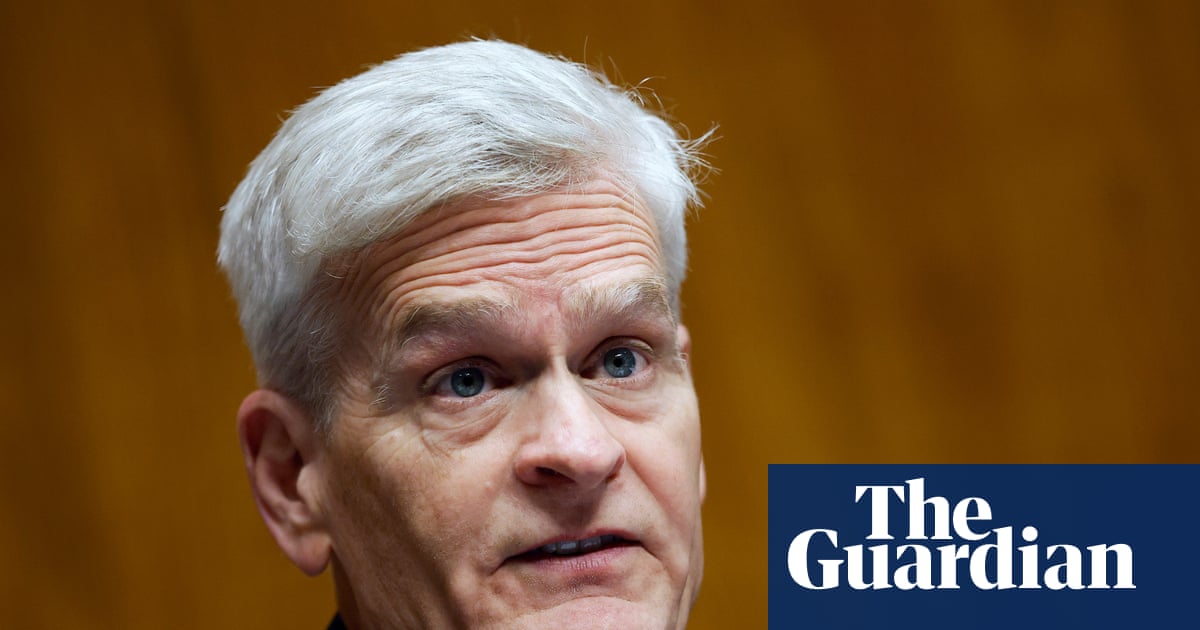
Louisiana Senator Bill Cassidy's loss in Saturday's Republican primary, failing to advance to the runoff election, underscores the persistent influence of Donald Trump within the Republican Party, raising concerns about the future of progressive policy and representation. Cassidy, a two-term senator, faced significant backlash for his vote to convict Trump following the January 6th insurrection, a decision that ultimately paved the way for Rep. Julia Letlow, a Trump-backed candidate, to challenge his seat.
Cassidy's defeat is not simply a change in personnel; it represents a shift further rightward within the Republican Party, potentially hindering efforts to address critical issues such as climate change, healthcare access, and economic inequality. The primary became a referendum on Trump's power, with Cassidy's occasional departures from the party line proving fatal in a political landscape increasingly defined by loyalty to the former president.
Letlow's platform, including the "Parents Bill of Rights Act," signals a potential rollback of inclusive policies in education, particularly concerning LGBTQ+ students. The act, which would allow parents to review classroom materials and require schools to notify them if their child requests different pronouns, locker rooms, or sports teams, raises concerns about the marginalization of vulnerable students and the erosion of local control over educational practices.
The primary result highlights the challenge facing moderate Republicans who are willing to occasionally defy Trump. The ascendance of candidates like Letlow reinforces the importance of progressive organizing and mobilization at the grassroots level. Building strong coalitions to advocate for policies that promote social and economic justice will be crucial in countering the influence of Trumpism and ensuring that the needs of all Americans are represented.
Furthermore, the election underscores the need for campaign finance reform to level the playing field for candidates who are not backed by wealthy donors or powerful political machines. The dominance of money in politics allows candidates aligned with corporate interests and conservative ideologies to amplify their message and drown out progressive voices.
The focus now shifts to the runoff election between Letlow and Louisiana State Treasurer John Fleming. While both candidates are conservative, the outcome will further define the direction of Louisiana's representation in Washington. Progressive activists and voters must remain engaged and vocal in advocating for policies that protect the rights of marginalized communities and promote a more just and equitable society.
Cassidy's ouster serves as a stark reminder that defending democracy requires vigilance and sustained action. The rise of Trumpism and its impact on electoral outcomes necessitate a renewed commitment to progressive values and a willingness to challenge the status quo. The fight for a more just and inclusive future must continue, even in the face of political setbacks.
The erosion of moderate voices within the Republican Party has significant implications for bipartisanship and compromise. The increasing polarization of American politics makes it more difficult to find common ground on critical issues, hindering progress on pressing challenges such as climate change, healthcare reform, and immigration. The rise of candidates who prioritize loyalty to Trump over pragmatic solutions further exacerbates this problem.
Ultimately, Cassidy's defeat underscores the need for a fundamental shift in the political landscape. Building a more progressive and equitable society requires a multi-pronged approach that includes electoral organizing, policy advocacy, and grassroots activism. By working together, progressives can overcome the challenges posed by Trumpism and create a more just and sustainable future for all.