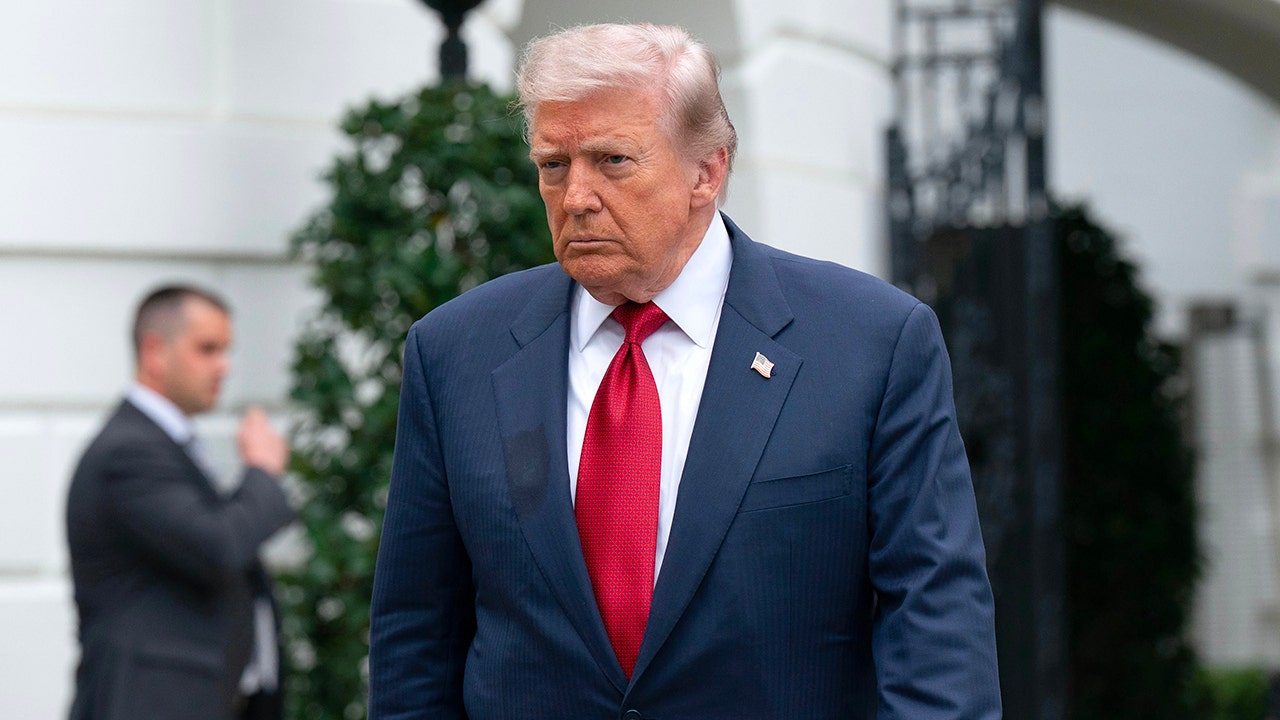
Trump's Grip Tightens on GOP, Silencing Dissent and Threatening Democracy
The ousting of Senator Bill Cassidy reveals the chilling effect of Trump's influence on Republican politics and the party's commitment to accountability.

Washington D.C. – The Republican Party's descent into authoritarianism continues unabated, as former President Donald Trump cements his control by purging dissenting voices, a trend highlighted by NPR's Tamara Keith and Amy Walter of the Cook Political Report. Their discussion with Amna Nawaz underscored the anti-democratic consequences of Trump's actions, particularly the ousting of Senator Bill Cassidy and the looming threat to fair primaries.
Senator Bill Cassidy's vote to convict Trump during his impeachment trial has now resulted in his political exile, a clear message to any Republican contemplating independent thought or action. This act of retribution chills free speech and accountability within the party, signaling that loyalty to Trump trumps (pun intended) all else.
Keith and Walter's analysis revealed the extent to which Trump's influence extends beyond mere policy preferences. It's about enforcing absolute obedience and crushing any opposition, paving the way for a more authoritarian Republican Party.
The upcoming GOP primaries are poised to become showcases of Trump's power, with his endorsements likely to determine the outcome. This raises serious concerns about the fairness and integrity of the electoral process, as Trump's influence effectively disenfranchises voters who do not align with his ideology.
The analysts noted that Trump's grip on the Republican Party poses a direct threat to democratic norms and institutions. His rhetoric, often laced with misinformation and conspiracy theories, undermines public trust in government and fuels political polarization.
The broader implications of Trump's dominance extend to issues of social justice and equity. His policies and pronouncements often target marginalized communities, exacerbating inequalities and reinforcing discriminatory practices.
The consequences of this trend are particularly dire for working-class families who rely on government services and protections. Trump's agenda often prioritizes corporate interests over the needs of ordinary citizens, leading to cuts in social programs and deregulation that harms the environment and public health.
The situation demands a renewed commitment to democratic values and a concerted effort to resist Trump's authoritarian tendencies. This requires holding elected officials accountable for their actions, promoting civic engagement, and ensuring that all voices are heard.
Keith and Walter also highlighted the role of corporate media in amplifying Trump's message and normalizing his behavior. A critical examination of media bias and ownership is essential to ensure that the public receives accurate and unbiased information.
Ultimately, the fight against Trump's influence is a fight for the soul of American democracy. It requires a collective effort to defend our institutions, protect our rights, and build a more just and equitable society.
The analysts stressed that the events surrounding Senator Cassidy were not isolated incidents, but rather part of a systematic effort to undermine democratic norms and consolidate power in the hands of a select few. The impact of these actions will be far-reaching, with potentially devastating consequences for American democracy.