Trump's Grip Tightens on Texas GOP as Paxton Ousts Cornyn, Faces Talarico
Paxton's victory underscores the ongoing influence of right-wing extremism in Texas politics, threatening progressive gains.
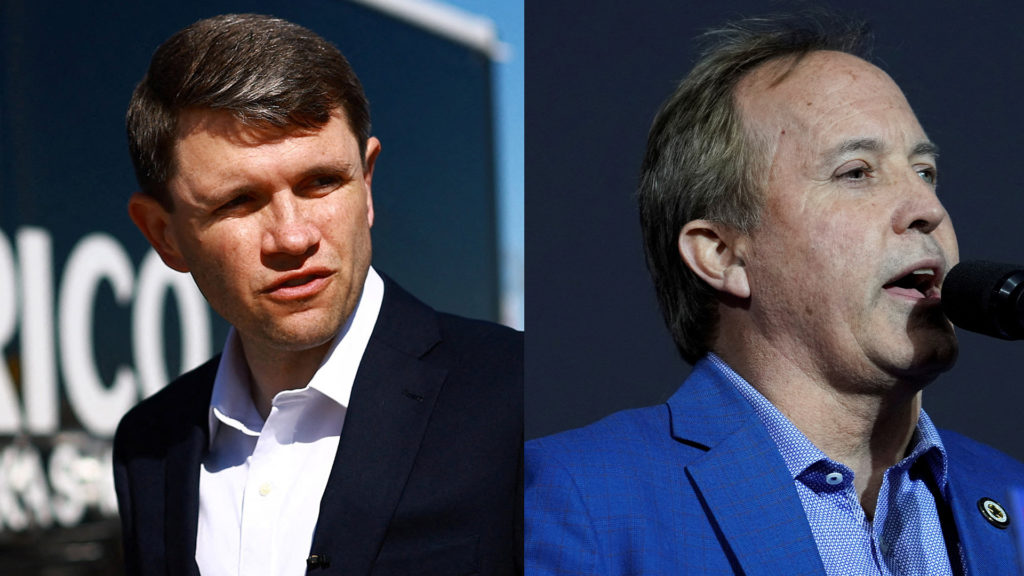
Ken Paxton's primary victory over incumbent Senator John Cornyn in Texas marks a significant shift towards the far-right, fueled by the endorsement of former President Donald Trump. This outcome raises concerns about the future of progressive policies and the representation of marginalized communities in the state. Paxton will now face Democratic nominee James Talarico, a progressive champion, in what promises to be a high-stakes battle for the soul of Texas.
Cornyn, while a conservative, was perceived by some as a more moderate voice within the Republican Party. Paxton's victory signifies a consolidation of power among Trump loyalists, signaling a potential rollback of progress on critical issues such as environmental protection, healthcare access, and LGBTQ+ rights. The primary results highlight the deep divisions within the Texas electorate and the challenges faced by progressive candidates in a state historically dominated by conservative interests.
Talarico represents a stark contrast to Paxton's right-wing agenda. As a state representative, Talarico has been a vocal advocate for public education, affordable healthcare, and criminal justice reform. His candidacy offers a vision of a more inclusive and equitable Texas, but he faces an uphill battle against the entrenched power of the Republican Party and the enduring appeal of Trumpism in certain segments of the electorate.
The election between Paxton and Talarico will be a referendum on the direction of Texas and the future of American democracy. Progressive activists and organizations are mobilizing to support Talarico and counter the influence of right-wing donors and media outlets. The outcome will have profound implications for the lives of working families, people of color, and other marginalized groups in the state. Geoff Bennett's discussion with Brandon Rottinghaus highlights the challenging road ahead for progressives in Texas.
Texas's demographic shifts present an opportunity for Democrats, but only if they can effectively mobilize voters and overcome voter suppression tactics. The race will test the ability of progressive candidates to connect with working-class voters and build a broad coalition that transcends partisan divides. Failure to do so could solidify the Republican Party's dominance in the state for years to come.
The Paxton-Talarico race also highlights the importance of addressing economic inequality and ensuring that all Texans have access to opportunity. Talarico has championed policies that would raise the minimum wage, expand access to affordable housing, and invest in job training programs. These proposals offer a concrete vision of a more just and prosperous society, but they face strong opposition from corporate interests and conservative politicians.
The upcoming election is not just about choosing a senator; it is about shaping the future of Texas and ensuring that the state's diverse population is represented in government. The progressive movement must redouble its efforts to organize, mobilize, and empower voters to stand up for their rights and demand a more equitable future. The stakes are high, and the fight for a better Texas is far from over.
This election will be a bellwether for the rest of the nation, showing whether the rising tide of progressive sentiment can overcome the deeply entrenched conservative forces in the American South. The nation will be watching as Texas decides its future.