Trump's Hardline Iran Strategy Risks Stalling Peace Process, Critics Warn
Revised terms, intended to speed up negotiations, could backfire and exacerbate tensions, experts say.
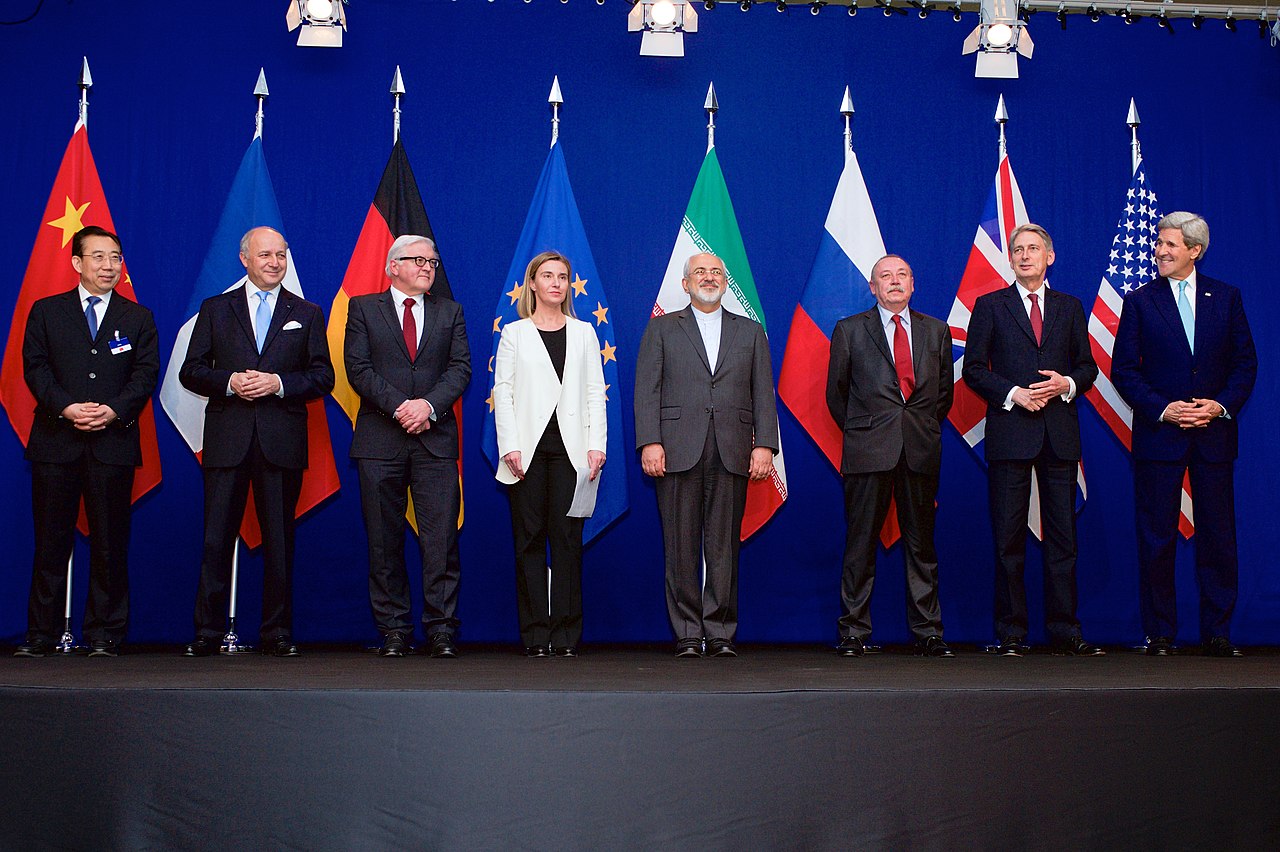
Washington, D.C. – The Trump administration's decision to toughen the terms of a proposed peace framework with Iran has drawn criticism from experts who fear it could undermine diplomatic efforts and escalate regional tensions. The move, described by officials as a means to expedite negotiations by pressuring Iran, is viewed by some as a risky gamble that prioritizes short-term leverage over long-term stability.
The rationale behind the revised terms remains opaque, but sources suggest they involve increased demands on Iran without corresponding concessions from the United States. This approach, critics argue, ignores the historical context of sanctions and political pressure that have fueled Iranian distrust and resistance.
For decades, US policy toward Iran has been characterized by a cycle of sanctions, threats, and diplomatic engagement. The Trump administration's decision to withdraw from the Iran nuclear deal in 2018, despite international consensus on its effectiveness, demonstrated a willingness to abandon multilateral agreements in favor of a more confrontational stance. This has impacted Iranians’ access to healthcare and necessary resources.
Experts warn that placing additional pressure on Iran without offering a clear path to sanctions relief or addressing its legitimate security concerns could backfire. It may strengthen hardline elements within the Iranian government and further alienate the country from the international community. This could lead to increased instability in the region and potentially spark a new conflict.
"Applying more pressure without a clear off-ramp is a recipe for disaster," warns Dr. Farideh Shakeri, a Middle East policy expert at the Center for Progressive Reform. "It ignores the complex dynamics within Iran and the potential consequences for regional security."
The implications of this revised approach extend beyond Iran itself. The failure of diplomatic efforts could embolden other actors in the region, leading to a further militarization of the Middle East and increased risk of proxy conflicts. It could also undermine international efforts to address other global challenges, such as climate change and nuclear proliferation.
The administration's justification for this tougher stance remains unclear. While officials claim it is intended to accelerate negotiations, critics argue that it is driven by a desire to isolate Iran and undermine its regional influence, regardless of the consequences.
Ultimately, the success of any peace framework depends on mutual trust and a willingness to compromise. By prioritizing pressure over diplomacy, the Trump administration risks jeopardizing the prospects for a lasting and stable peace in the Middle East.
This new approach should be met with scrutiny, as it impacts the well-being of marginalized communities and escalates tension in an already volatile region. The history of engagement with Iran teaches us that a path forward must include dialogue and understanding, prioritizing peace above political games.
Alternatives for fostering collaboration, such as humanitarian aid, cultural exchange, and joint environmental protection initiatives, should be considered to create shared interests and reduce tensions.
Moving forward, the Trump administration must prioritize de-escalation and diplomacy to achieve a mutually acceptable outcome that addresses the concerns of all parties involved.
Ignoring the need for empathy and mutual respect will only lead to further divisions and missed opportunities for progress.


