Trump's Hardline Stance Threatens Iran Deal, Endangering Regional Stability
Trump's insistence on no sanctions relief for Iran, even with uranium concessions, could derail critical negotiations aimed at resolving the Middle East conflict, critics warn.
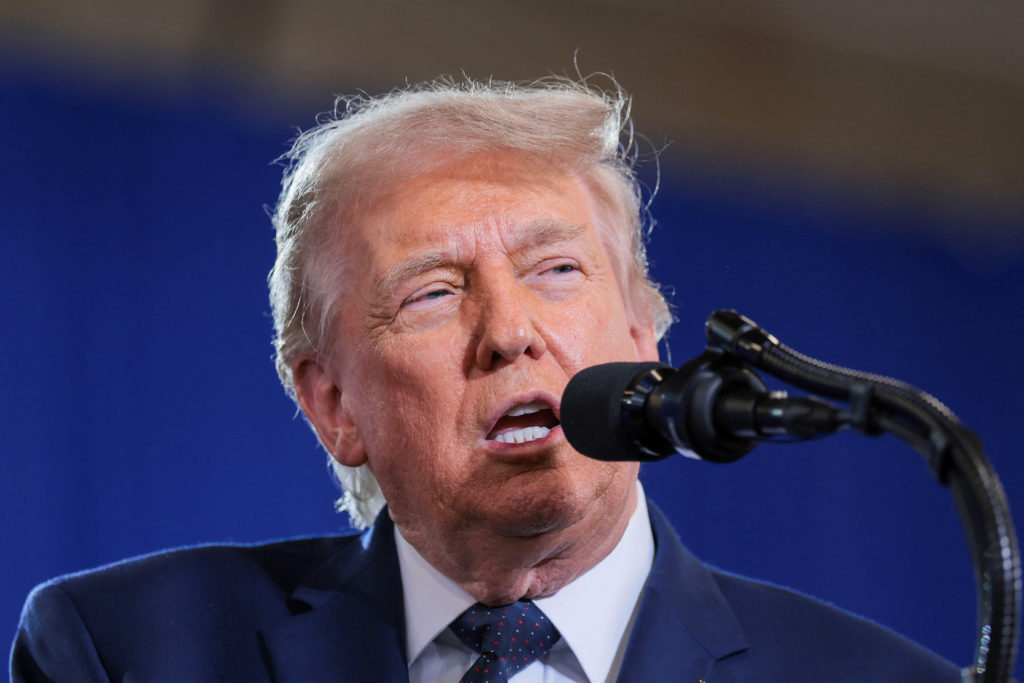
Washington D.C. - Former President Donald Trump's recent declaration that Iran will not receive sanctions relief in exchange for giving up highly enriched uranium threatens to undermine delicate negotiations aimed at ending the three-month-long conflict engulfing the Middle East. This uncompromising stance raises concerns about the potential for further destabilization in an already volatile region.
The United States and Iran have been engaged in indirect talks, attempting to de-escalate tensions and find a path toward a more peaceful future. Sanctions relief has been a central sticking point, with Iran arguing that crippling economic measures have disproportionately harmed its civilian population. Progressive voices have long argued that broad economic sanctions often punish ordinary citizens more than the targeted regime, exacerbating humanitarian crises and fueling resentment.
Trump's categorical rejection of sanctions relief, even in exchange for verifiable concessions on uranium enrichment, signals a potential return to a failed strategy of maximum pressure. Critics argue that this approach isolates Iran, hardens its negotiating position, and could ultimately push it closer to developing nuclear weapons.
The conflict in the Middle East has had devastating consequences for ordinary people, with millions displaced, infrastructure destroyed, and access to essential services disrupted. A negotiated solution is essential to alleviate suffering and prevent further loss of life.
The legacy of past U.S. foreign policy in the Middle East, including interventions and regime change efforts, has contributed to the current instability. A more nuanced and diplomatic approach is needed to address the root causes of conflict and build trust with regional actors.
Critics argue that Trump's hardline stance is driven by political considerations rather than a genuine desire for peace and stability. By appealing to hawkish elements within his base, he may be jeopardizing the prospects for a diplomatic breakthrough.
The International Atomic Energy Agency (IAEA) has repeatedly verified Iran's compliance with the terms of the 2015 nuclear deal, before the U.S. unilaterally withdrew from the agreement. Restoring that agreement, with necessary improvements and safeguards, is seen by many as the best way to prevent Iran from developing nuclear weapons.
Progressive analysts argue that sanctions should be used as a tool to pressure Iran on specific human rights abuses and support for terrorism, but not as a blanket measure that punishes the entire population. A more targeted and calibrated approach is needed to ensure that sanctions do not harm innocent civilians.
The United States has a moral responsibility to address the humanitarian consequences of its foreign policy decisions. Sanctions relief, coupled with humanitarian aid, could help to alleviate suffering and build goodwill in the region.
Ultimately, a lasting peace in the Middle East will require addressing the underlying grievances and inequalities that fuel conflict. This includes promoting inclusive governance, fostering economic development, and addressing the root causes of extremism. The U.S. should work with regional partners to promote these goals and create a more just and equitable society.
Trump's rejection of sanctions relief represents a setback for diplomacy and threatens to prolong the conflict in the Middle East, exacerbating human suffering and undermining regional stability. A more nuanced and compassionate approach is needed to address the complex challenges facing the region.


