Trump's Image on Currency: A Divisive Commemoration Sparks Concerns Over Political Influence
The proposed $250 bill featuring Donald Trump raises questions about the politicization of national symbols and the potential erasure of diverse historical narratives.

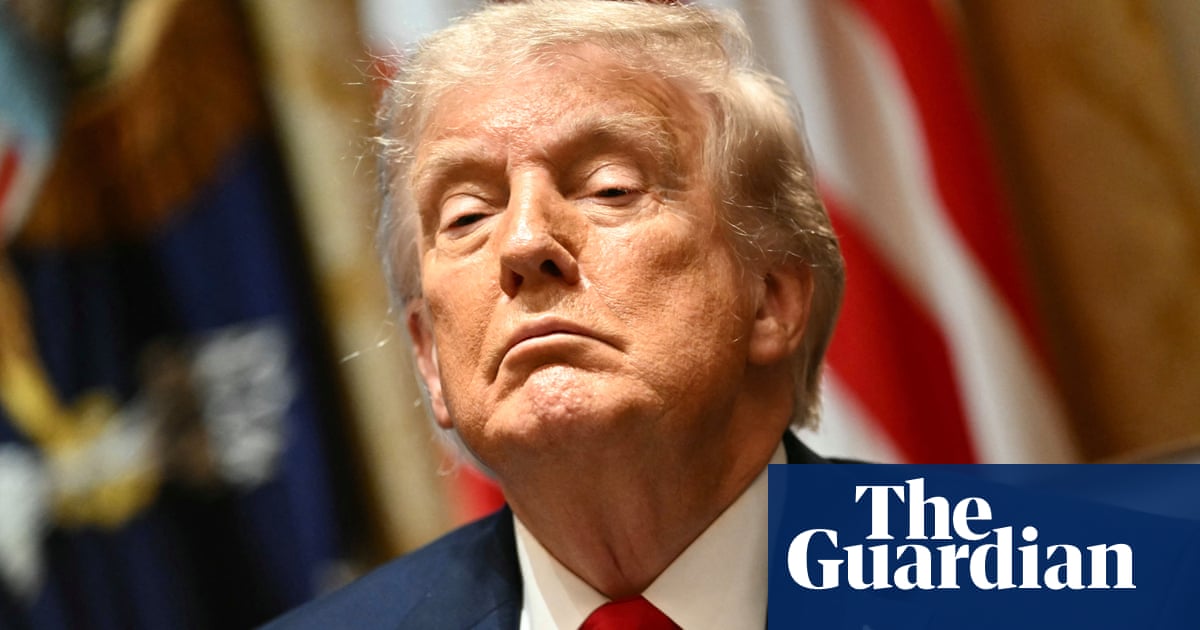
The Treasury Department's preparation of a $250 bill featuring former President Donald Trump, contingent on Congressional approval, has ignited debate about the appropriateness of using national symbols to honor divisive political figures.
The initiative, ostensibly to celebrate the nation's 250th anniversary, raises concerns about the potential for historical revisionism and the marginalization of marginalized communities whose stories are often overlooked in mainstream narratives.
Treasury Secretary Scott Bessent's announcement of the draft bill underscores the administration's willingness to push boundaries and potentially exploit national symbols for partisan gain. "It's all in the hands of… Capitol Hill," Bessent stated, while downplaying the potentially controversial nature of the proposal.
The move to place Trump's image on currency is seen by many as a continuation of his self-aggrandizing practices, further cementing his legacy within the physical fabric of the nation. This raises serious questions about the role of government in promoting a particular political ideology through national symbols.
Representative Joe Wilson's proposed bill to mandate the creation of the Trump $250 note highlights the concerning trend of prioritizing political loyalty over historical accuracy and inclusivity.
The fact that Trump political appointees were the driving force behind the bill's design, as reported by the Washington Post, raises alarm bells about the potential for political influence to distort historical narratives.
If Congress approves the change, Trump would become the first living person on currency since 1866, a precedent that could further normalize the use of national symbols for political self-promotion. This is especially concerning given Trump's track record of undermining democratic institutions and promoting divisive rhetoric.
The addition of Trump's signature to all newly printed money and the naming of policy initiatives after him underscores a broader pattern of self-branding that risks blurring the lines between public service and personal gain. This trend risks undermining trust in government and further eroding the integrity of national institutions.
Critics argue that such commemorations should focus on honoring the collective achievements and struggles of the American people, rather than celebrating individual leaders, especially those whose actions have been widely criticized for undermining democratic values and social justice.