Trump's 'Immense Force' in Memphis: Crime Taskforce Accused of Intimidating Activists
An ACLU lawsuit alleges the taskforce is targeting community observers with surveillance, harassment, and false arrests, chilling vital oversight.
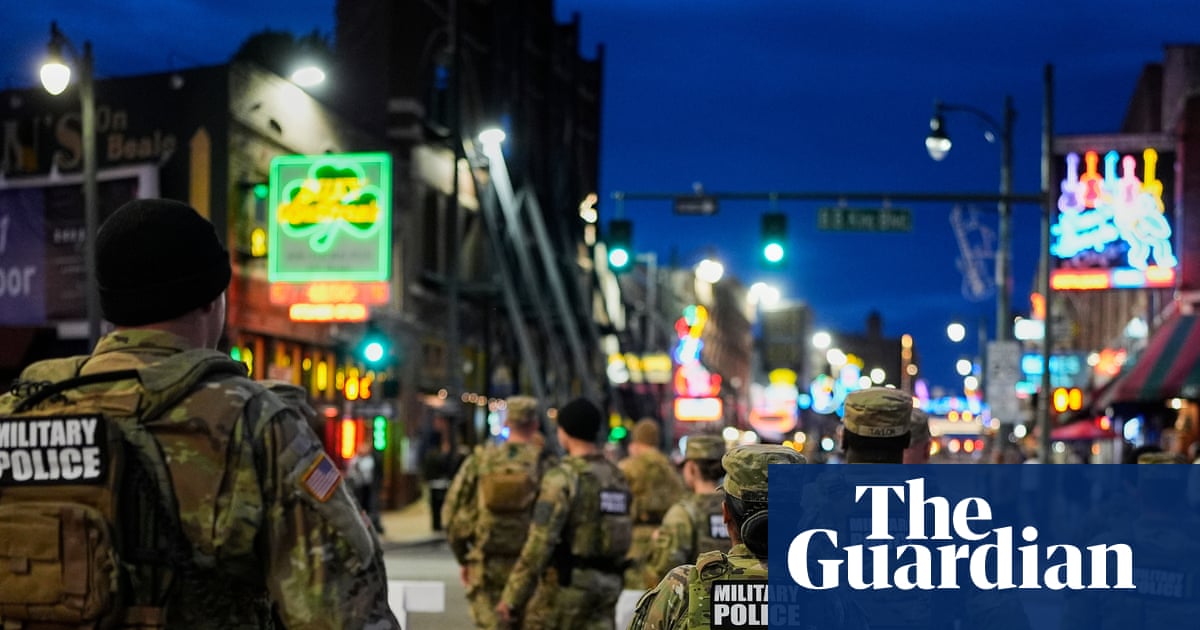
MEMPHIS, Tenn. – The deployment of a federal anti-crime taskforce to Memphis, ordered by former President Donald Trump, has ignited a firestorm of controversy, with the American Civil Liberties Union (ACLU) of Louisiana filing a lawsuit alleging a systematic campaign of intimidation against community observers. The lawsuit paints a disturbing picture of a taskforce exceeding its mandate, targeting individuals who dare to monitor its activities and hold it accountable, echoing concerns about unchecked power and the erosion of civil liberties under the previous administration. The taskforce, initiated in September 2025 under the guise of combating violent crime, quickly became a symbol of federal overreach and disregard for local communities, particularly those already marginalized and over-policed.
The ACLU lawsuit details a pattern of alarming behavior. Hunter Demster, the lead litigant, alleges relentless surveillance of his home and the homes of fellow activists, creating a climate of fear and anxiety. He recounts a near-miss incident where a masked agent in an unmarked vehicle allegedly swerved towards him, highlighting the potential for violence and abuse. James West, a retired anesthesiologist, saw his Global Entry status revoked after documenting taskforce activities, a punitive measure that raises serious questions about the government's willingness to silence dissent. The revocation, citing vague concerns about a potential law enforcement investigation or suspected ties to terrorism, smacks of political retaliation and underscores the dangers of unchecked executive power.
The arrest of Jessica Chodor, captured on body camera footage, epitomizes the taskforce's aggressive tactics. After filming taskforce officers, Chodor was allegedly tackled to the ground, an act of excessive force that underscores the vulnerability of individuals exercising their First Amendment rights. The US Marshals Service's refusal to comment on the allegations only deepens concerns about transparency and accountability. The deployment of the taskforce to Memphis reflects a broader trend of federal intervention in local law enforcement, often without adequate community consultation or oversight. These interventions can exacerbate existing tensions between law enforcement and communities of color, leading to distrust and resentment.
The lawsuit highlights the disproportionate impact of such tactics on marginalized communities, who are often the targets of increased surveillance and police presence. The legacy of systemic racism in law enforcement means that these communities are already subject to heightened scrutiny and disproportionate use of force. The taskforce's alleged targeting of community observers further erodes trust in law enforcement and undermines efforts to build a more equitable and just society. The ACLU's legal challenge is not just about protecting the rights of individual activists; it is about safeguarding the fundamental principles of democracy and ensuring that law enforcement is accountable to the communities it serves.