Trump's Iran Deadline Threatens Further Destabilization
As President Trump's 'final' deadline for a new Iran deal approaches, experts warn of potential humanitarian and geopolitical fallout.
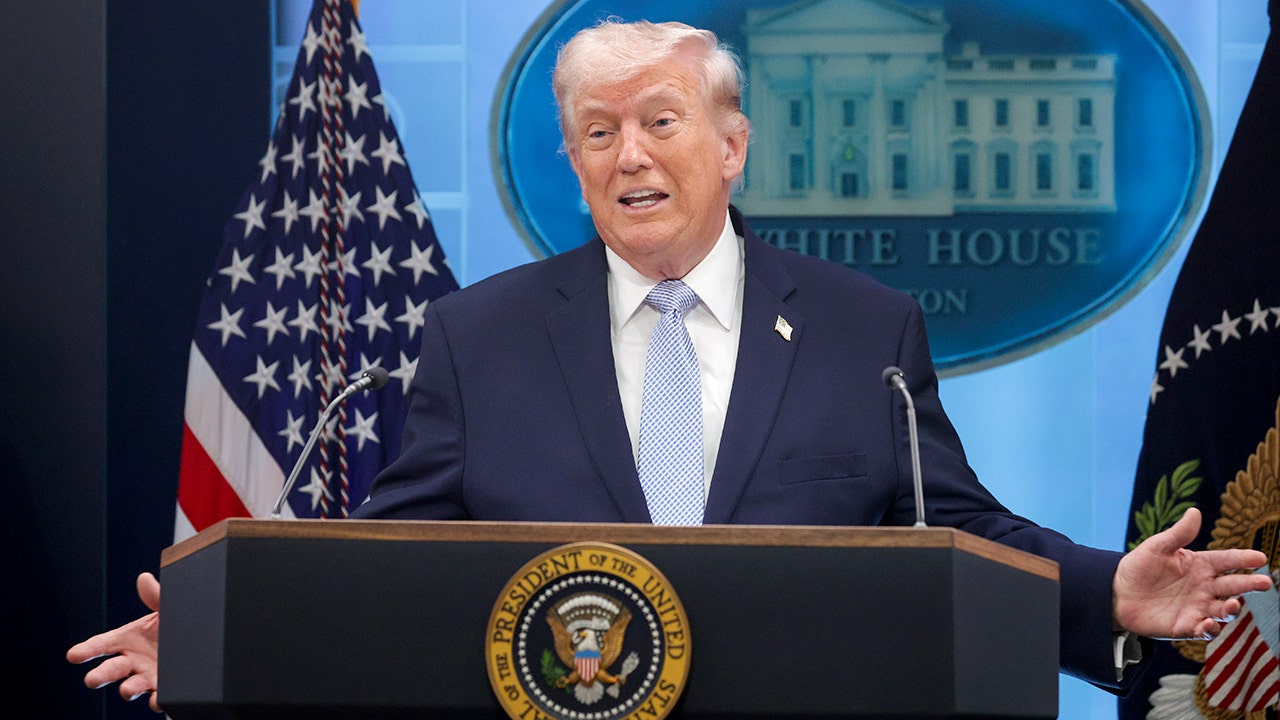
Washington, D.C. – President Trump's self-proclaimed 'final' deadline for Iran to accept a new agreement is looming, raising serious concerns about the potential for escalated conflict and further destabilization in the Middle East. Critics argue that the administration's aggressive stance ignores the complex social and political realities within Iran and the broader region.
The imposed deadline, linked to demands for limitations on Iran's nuclear program in exchange for sanctions relief, is viewed by many as a continuation of a failed strategy of maximum pressure that has disproportionately harmed the Iranian people. These sanctions have severely restricted access to essential medicines and economic opportunities, exacerbating existing inequalities.
Experts highlight that a diplomatic solution requires understanding Iran's internal dynamics and addressing its legitimate security concerns. Ignoring these factors risks pushing Iran further towards isolation and potentially fueling regional instability. The administration's rhetoric and actions have been interpreted by some as a deliberate attempt to sabotage any possibility of a peaceful resolution, prioritizing short-term political gains over long-term stability and human rights.
The potential consequences of a failed agreement are dire. Military action against Iran could trigger a humanitarian crisis, displace millions of people, and further strain already limited resources in the region. The conflict could also empower extremist groups and undermine efforts to promote democracy and human rights.
Meanwhile, the Trump administration faces scrutiny on other fronts. The Justice Department's critique of Mamdani's 'racial equity plan' raises questions about the administration's commitment to addressing systemic inequalities. The requirement of ID for free admission to the Obama Presidential Center has been criticized as potentially disenfranchising marginalized communities.
Progressives are also raising concerns about the replacement of Stephen Colbert's 'Late Show' with Byron Allen's 'Comics Unleashed,' viewing it as a potential shift towards less critical and politically engaged content. Billy Bush's claim that ABC News had a team dedicated to taking down Trump adds fuel to existing concerns about media bias and the role of corporate media in shaping public discourse.
Domestically, the Democratic Governor's declining popularity highlights the challenges of governing in a deeply divided political landscape. The controversy surrounding a Democratic Senate primary candidate's association with a controversial streamer underscores the need for greater accountability and responsibility within the progressive movement.
The story of the woman giving birth mid-flight serves as a reminder of the human stories that often get lost in the noise of political debates. As the world grapples with complex geopolitical challenges, it is crucial to prioritize compassion, empathy, and a commitment to social justice.
The situation demands a shift away from confrontational rhetoric and towards genuine diplomacy. A focus on human rights, economic justice, and regional cooperation is essential for building a more peaceful and equitable future.
The discovery of a Crusader-era sword by a student chasing thieves provides a historical parallel to the current conflict. Just as the Crusades were marked by violence and intolerance, the current tensions in the Middle East risk perpetuating a cycle of conflict and suffering. A new approach, rooted in understanding and respect, is needed to break this cycle and build a more just and sustainable world.
It is incumbent upon policymakers and citizens alike to demand a more just and equitable approach to foreign policy, one that prioritizes human rights, economic justice, and peaceful conflict resolution.


