Trump's Iran Deal Ambitions Raise Concerns Over Long-Term Stability and Human Rights
As Trump seeks a deal with Iran, critics warn that prioritizing short-term political gains could undermine broader efforts to promote peace, human rights, and denuclearization in the region.
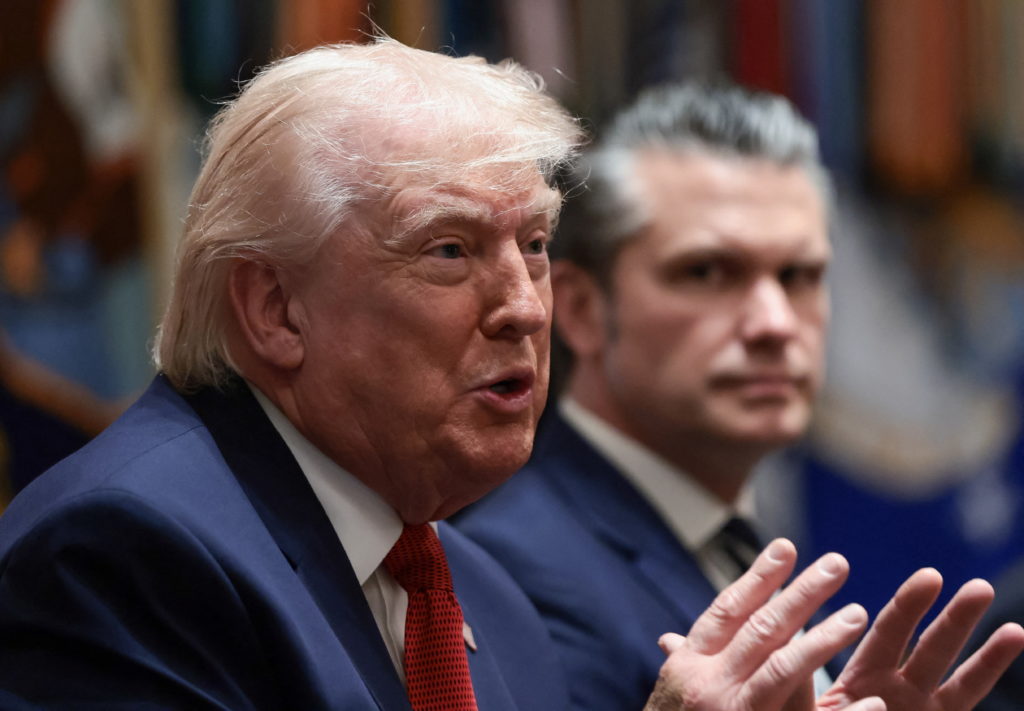
WASHINGTON - President Donald Trump's pursuit of a deal with Iran is raising concerns among progressive voices who fear that the administration's focus on immediate political gains may come at the expense of long-term stability and human rights in the region. As Trump prepares to meet with his Cabinet, the stated goals of the negotiations are to reopen the Strait of Hormuz and curb Iran's nuclear capabilities.
While the reopening of the Strait of Hormuz is undoubtedly a priority for global trade and energy security, critics argue that a deal solely focused on these aspects could ignore the broader issues of human rights abuses within Iran and the country's destabilizing activities in the region. A rush to secure a quick win could potentially embolden the regime and undermine efforts to promote democratic reforms.
The Trump administration's approach to Iran contrasts sharply with the Obama-era Joint Comprehensive Plan of Action (JCPOA), which sought to address Iran's nuclear program through multilateral diplomacy and international cooperation. While the JCPOA was not without its flaws, it provided a framework for verifiable limitations on Iran's nuclear activities in exchange for sanctions relief. Trump's withdrawal from the JCPOA in 2018 has been widely criticized by progressives who argue that it has isolated the United States and increased the risk of conflict.
A potential agreement that primarily focuses on the Strait of Hormuz and nuclear capabilities might neglect critical issues such as Iran's support for proxy groups in Yemen, Syria, and Lebanon. Ignoring these destabilizing activities could exacerbate regional tensions and undermine efforts to achieve lasting peace.
Furthermore, human rights advocates are concerned that a deal with Iran could lead to a softening of pressure on the regime to improve its human rights record. Iran has a long history of suppressing dissent, persecuting minorities, and restricting freedoms of expression and assembly. Any agreement with Iran should include concrete provisions for monitoring and improving human rights conditions, they argue.
Progressive analysts point out that a truly sustainable solution to the challenges posed by Iran requires a comprehensive approach that addresses not only nuclear proliferation and regional security but also human rights and democratic governance. This approach would necessitate engaging with civil society groups and supporting efforts to promote peaceful change from within.
The administration's focus on declaring a victory could lead to a deal that is ultimately unsustainable and fails to address the root causes of instability in the region. A more nuanced and patient approach is needed, one that prioritizes long-term stability and the well-being of the Iranian people.
The Cabinet meeting provides an opportunity for President Trump to hear from a range of perspectives on the Iran negotiations. It is crucial that the discussions include consideration of the broader implications of any potential agreement, including its impact on human rights, regional security, and international cooperation.
The administration should also be mindful of the potential for unintended consequences. A deal that is perceived as too favorable to Iran could embolden the regime and undermine efforts to promote democratic reforms. Conversely, a deal that is seen as too punitive could further isolate Iran and increase the risk of conflict.
Ultimately, a successful approach to Iran requires a commitment to diplomacy, international cooperation, and a recognition of the interconnectedness of regional security, human rights, and nuclear non-proliferation. Short-term political gains should not come at the expense of long-term stability and the well-being of the Iranian people.


