Trump's Iran Deal Demands Risk Further Destabilization, Experts Warn
As Trump seeks to impose stringent conditions on Iran's nuclear program and maritime activities, concerns rise about escalating tensions and hindering diplomatic progress.
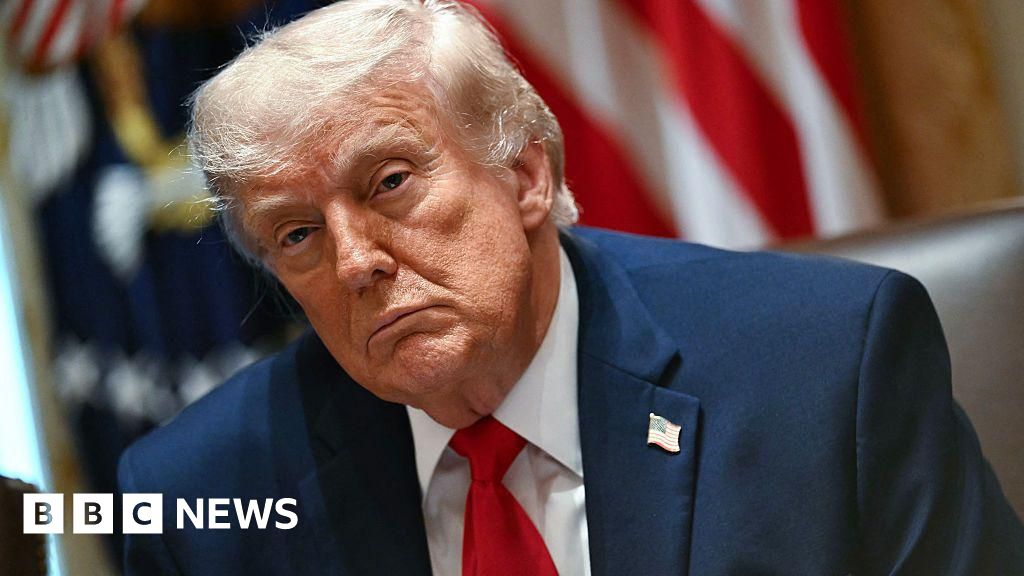
WASHINGTON – President Trump's recent meeting to make a “final determination” on extending the ceasefire with Iran raises serious concerns about the future of diplomacy and the potential for further destabilization in the region. While the ceasefire offers a temporary respite, Trump's insistence on stringent conditions – including demands that Iran permanently abandon any possibility of a nuclear weapon, fully open the Strait of Hormuz, and dismantle its enriched uranium – risk undermining the fragile progress made thus far. These demands disregard the complex socio-political realities within Iran and the potential consequences of isolating the nation further.
The demand for Iran to completely dismantle its enriched uranium stockpile is particularly problematic. Experts argue that this demand fails to acknowledge Iran's stated right to pursue peaceful nuclear energy under international safeguards. Furthermore, such demands could strengthen hardline factions within Iran who oppose any form of negotiation with the US, thereby sabotaging any potential for a lasting peace agreement.
The US blockade of the Strait of Hormuz, while strategically aimed at pressuring Iran, has had a disproportionate impact on the Iranian people, exacerbating economic hardship and fueling resentment. Lifting the blockade conditionally, as Trump has suggested, is not sufficient to address the long-term economic and humanitarian consequences of these policies. A more comprehensive approach, including easing sanctions and fostering economic cooperation, is necessary to create a stable and prosperous Iran that is less likely to engage in destabilizing activities.
Iran's perspective, as expressed by its foreign ministry spokesman, that the focus is on ending the war and not negotiating on the nuclear issue, highlights the need for a more nuanced and empathetic approach to negotiations. Instead of focusing solely on nuclear disarmament, the US should prioritize addressing the root causes of the conflict, including regional power dynamics, economic disparities, and historical grievances.
The history of US-Iran relations is fraught with mistrust and animosity. From the 1953 coup that overthrew Iran's democratically elected Prime Minister Mohammad Mosaddegh to the ongoing sanctions regime, US policies have often been perceived as hostile and interventionist. To build trust and foster a more constructive relationship, the US must acknowledge its past mistakes and adopt a more respectful and collaborative approach.
Vice-President Vance's acknowledgment that negotiators are working through “a couple of language points” suggests that there is still room for compromise. However, the success of these negotiations will depend on the willingness of both sides to engage in good faith and to prioritize diplomacy over confrontation.
The recent exchange of attacks between the US and Iran, including the IRGC's targeting of a US air base in Kuwait, underscores the urgency of de-escalating tensions and finding a peaceful resolution to the conflict. A continued escalation of hostilities risks plunging the region into a full-scale war, with devastating consequences for all involved.
Ultimately, a lasting peace agreement with Iran requires a commitment to dialogue, mutual respect, and a willingness to address the underlying causes of the conflict. Trump's current approach, characterized by aggressive demands and unilateral actions, risks undermining these efforts and perpetuating a cycle of violence and instability.


