Trump's Iran Stance: Prioritizing Geopolitics Over American Workers' Financial Struggles
Trump's admission that he disregards American financial hardship in Iran negotiations raises concerns about whose interests are being served.
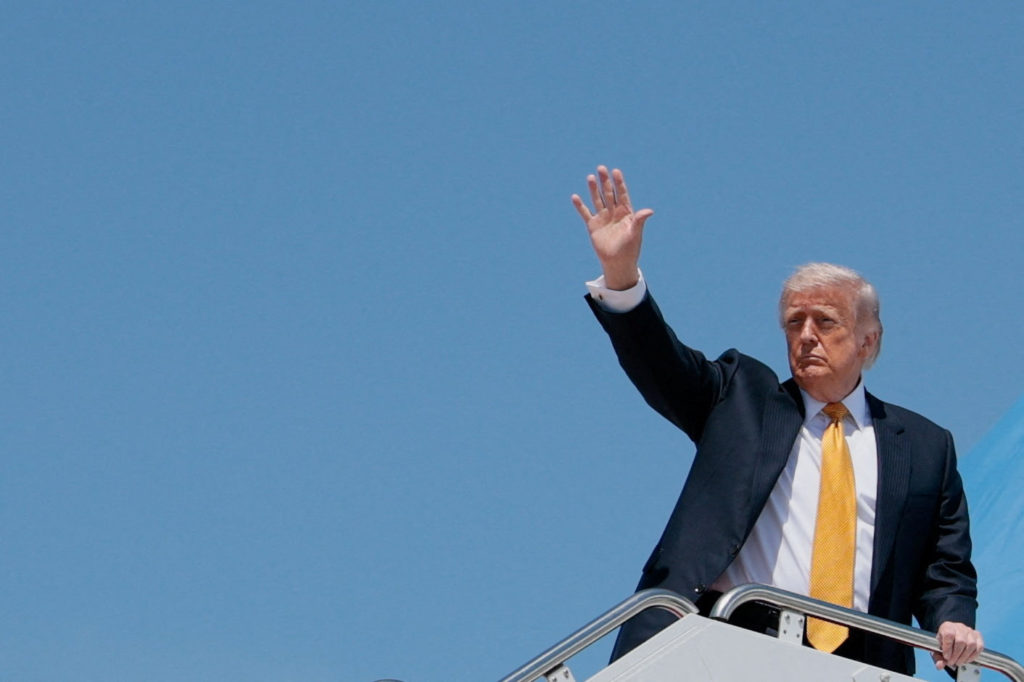
Former President Donald Trump stated on Tuesday that he does not factor in the financial struggles of American citizens when negotiating with Iran, prompting concerns about the equity and social impact of his foreign policy decisions. A reporter questioned Trump on whether the economic hardships faced by many Americans influenced his willingness to make a deal with Iran.
Trump's response highlights a potential disconnect between foreign policy objectives and the immediate needs of working-class Americans. Progressive critics argue that trade deals and international negotiations should prioritize the well-being of American workers and their families, especially in an era of increasing economic inequality.
Negotiations with Iran have historically been complex, with various administrations pursuing different strategies to address issues such as nuclear proliferation and regional stability. However, these negotiations often have significant economic implications, both for Iran and for the United States.
Economic sanctions imposed on Iran have had a devastating impact on its economy, leading to widespread poverty and hardship. While proponents of sanctions argue that they are necessary to pressure Iran to change its behavior, critics point to the humanitarian consequences and the disproportionate impact on vulnerable populations.
Progressive economists argue that trade and foreign policy should be used as tools to promote social and economic justice, both at home and abroad. This includes ensuring that trade agreements do not lead to job losses in the United States and that international negotiations take into account the needs of marginalized communities.
Trump's statement suggests a willingness to prioritize geopolitical considerations over the immediate economic well-being of American workers. This approach raises questions about whose interests are being served by his foreign policy decisions and whether the potential benefits of a deal with Iran will outweigh the costs for ordinary Americans.
Critics argue that a more equitable approach to foreign policy would involve incorporating the concerns of working-class families into the decision-making process and ensuring that trade and negotiations promote shared prosperity, rather than exacerbating existing inequalities.
The statement also raises concerns about the broader implications of prioritizing foreign policy goals over domestic needs. As many Americans struggle with rising healthcare costs, stagnant wages, and a lack of affordable housing, critics argue that policymakers should focus on addressing these challenges before pursuing ambitious foreign policy agendas.
Ultimately, the debate over Trump's statement reflects a fundamental disagreement about the role of government in promoting social and economic well-being. Progressives argue that government has a responsibility to ensure that all citizens have access to basic necessities and opportunities, while conservatives often prioritize individual liberty and limited government intervention.
The full ramifications of Trump's approach to negotiations with Iran remain to be seen. However, his statement serves as a reminder of the importance of considering the social and economic impact of foreign policy decisions and ensuring that the needs of all Americans are taken into account.