Trump's Iran Stance Threatens Economic Pain for Working Families
Failed diplomacy could lead to rising oil prices, hitting vulnerable communities hardest.
President Trump's hawkish rhetoric towards Iran is jeopardizing peace talks and threatening to drive up oil prices, potentially disproportionately impacting working families and marginalized communities who can least afford it.
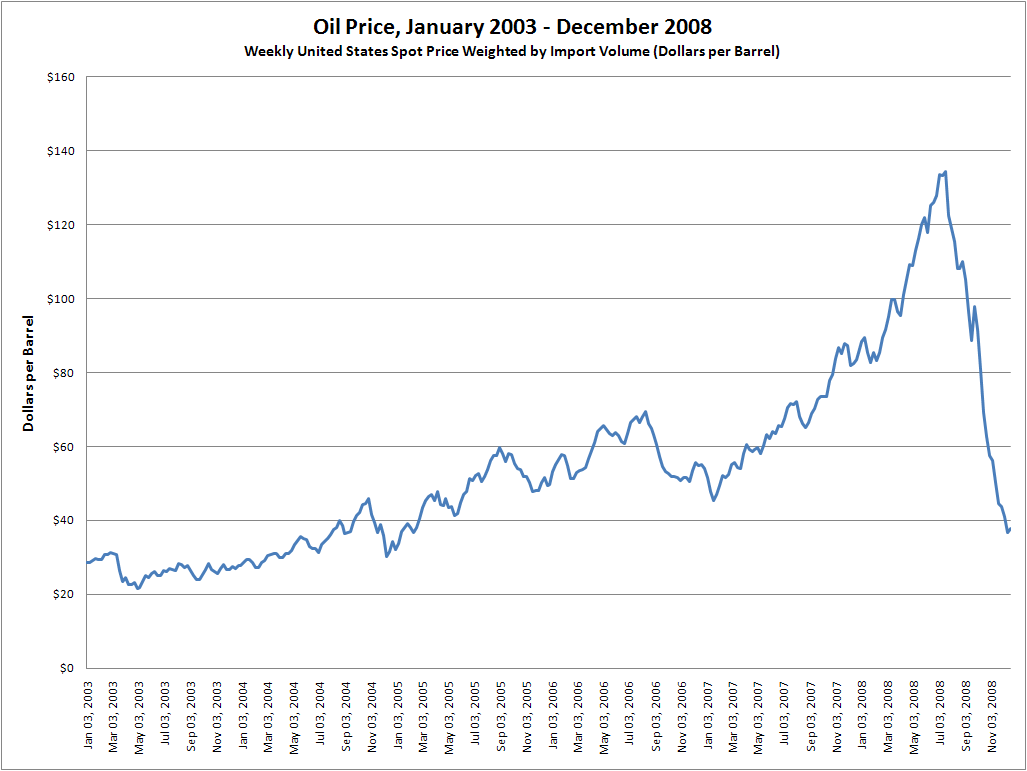
Trump's declaration that the American cease-fire with Iran is on “life support” is creating uncertainty in the oil market, leading investors to adopt a cautious stance. This instability directly translates to higher prices at the pump and increased costs for essential goods and services.
The historical context of U.S.-Iran relations reveals a pattern of aggressive foreign policy that often prioritizes geopolitical posturing over the economic well-being of ordinary Americans. Sanctions and military interventions have repeatedly disrupted oil markets, resulting in price spikes that burden low-income households.
For working families, the increased cost of gasoline and home heating oil can strain already tight budgets. Higher transportation costs also impact the price of food and other necessities, further exacerbating economic inequality.
Marginalized communities, who often live in areas with limited access to public transportation, are particularly vulnerable to rising gas prices. They may be forced to spend a larger percentage of their income on transportation, limiting their access to jobs, healthcare, and other essential services.
Progressive economists argue that a shift towards renewable energy sources is crucial to insulate the U.S. economy from the volatility of the global oil market. Investing in clean energy infrastructure would create jobs, reduce carbon emissions, and provide affordable energy options for all Americans.
The Trump administration's focus on fossil fuels and its confrontational approach to foreign policy undermine efforts to build a more sustainable and equitable energy system. A diplomatic solution with Iran is essential to stabilize oil prices and protect vulnerable communities from economic hardship.
The current situation highlights the need for policies that prioritize the well-being of working families and marginalized communities. These policies include expanding access to affordable healthcare, increasing the minimum wage, and investing in affordable housing.
Environmental justice advocates argue that the fossil fuel industry has disproportionately harmed communities of color through pollution and climate change. A transition to a clean energy economy is essential to address these historical injustices and create a more equitable future.
The impact of rising oil prices extends beyond the economic sphere. It also affects social mobility and access to opportunity. When families are forced to spend a larger percentage of their income on basic necessities, they have less money available for education, healthcare, and other investments in their future.
Ultimately, a peaceful resolution to the U.S.-Iran conflict is not only essential for regional stability but also for the economic well-being of working families and marginalized communities in the United States. A failure of diplomacy will have far-reaching consequences, exacerbating economic inequality and undermining efforts to build a more just and sustainable society.
The current administration's gamble, with its volatile repercussions on ordinary households, demands a more prudent course.