Trump's Iran Ultimatum Threatens Global Stability and Environmental Catastrophe
Escalating threats against Iran's infrastructure raise fears of a humanitarian and ecological disaster in the Strait of Hormuz.
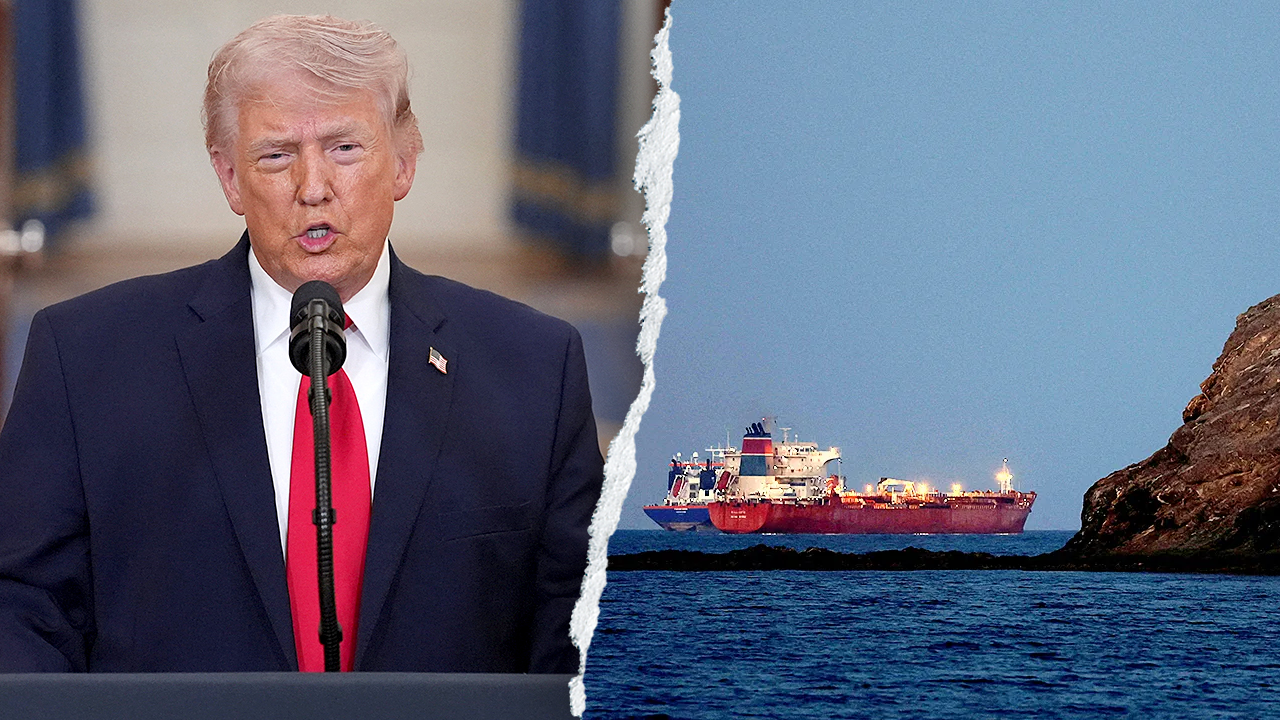
WASHINGTON – President Donald Trump's latest ultimatum to Iran, demanding the immediate reopening of the Strait of Hormuz under threat of military strikes, represents a dangerous escalation that could trigger a devastating humanitarian and environmental crisis.
Trump, in a Truth Social post, issued the ultimatum, threatening to target Iranian infrastructure if the Strait of Hormuz, a vital waterway for global energy supplies, is not reopened. "A whole civilization will die tonight, never to be brought back again. I don't want that to happen, but it probably will," Trump chillingly wrote, setting an 8 p.m. ET deadline.
The Strait of Hormuz, a narrow passage between Iran, Oman, and the United Arab Emirates, is a crucial chokepoint for global energy supplies, carrying approximately 20 million barrels of oil and one-fifth of the world's liquefied natural gas daily. Disruptions would disproportionately affect vulnerable populations already struggling with energy poverty.
This latest threat builds upon a pattern of reckless deadlines and bellicose rhetoric. On March 21, Trump declared that if Iran did not fully open the strait within 48 hours, the U.S. would "obliterate their various POWER PLANTS, STARTING WITH THE BIGGEST ONE FIRST!" Such an attack would not only violate international law but also unleash catastrophic environmental damage, polluting air and water resources.
Ali Mousavi, Iran’s permanent representative to the International Maritime Organization, responded that the strait was "open to everyone" except Iran's enemies. However, Trump's escalating threats risk provoking a miscalculation that could lead to armed conflict.
While Trump claimed on March 23 that "productive" conversations were underway with Iran, and he had delayed strikes for five days, Iranian officials publicly denied any talks were taking place. This raises serious questions about the veracity of the administration's claims and its commitment to diplomatic solutions.
On March 26, Trump again extended the deadline, this time to April 6, claiming he was "pausing the period of Energy Plant destruction" at the Iranian government’s request. Yet, this erratic behavior fuels instability and undermines international efforts to de-escalate tensions.
The potential destruction of Iranian power plants, as threatened by Trump, would have devastating consequences for the Iranian people, denying them access to essential services like electricity, water, and healthcare. This would exacerbate existing inequalities and disproportionately harm marginalized communities.
The history of U.S. intervention in the Middle East is replete with examples of unintended consequences and humanitarian disasters. From the Iraq War to the ongoing conflict in Yemen, military actions have caused immense suffering and destabilized entire regions. Trump's threats risk repeating these tragic mistakes.
The escalating situation demands a diplomatic solution that prioritizes human rights and environmental protection. The international community must pressure the U.S. to abandon its bellicose rhetoric and engage in meaningful negotiations with Iran. The focus should be on de-escalation, mutual respect, and adherence to international law.
The lack of a strong international response to Trump's threats is deeply concerning. NATO's perceived inaction raises questions about its commitment to global peace and security. A united front is needed to prevent further escalation and promote a just and sustainable solution to the crisis.
Ultimately, the people of Iran, and the world, deserve a future free from the threat of military aggression and environmental destruction. Trump's reckless actions jeopardize this future and must be condemned in the strongest possible terms.