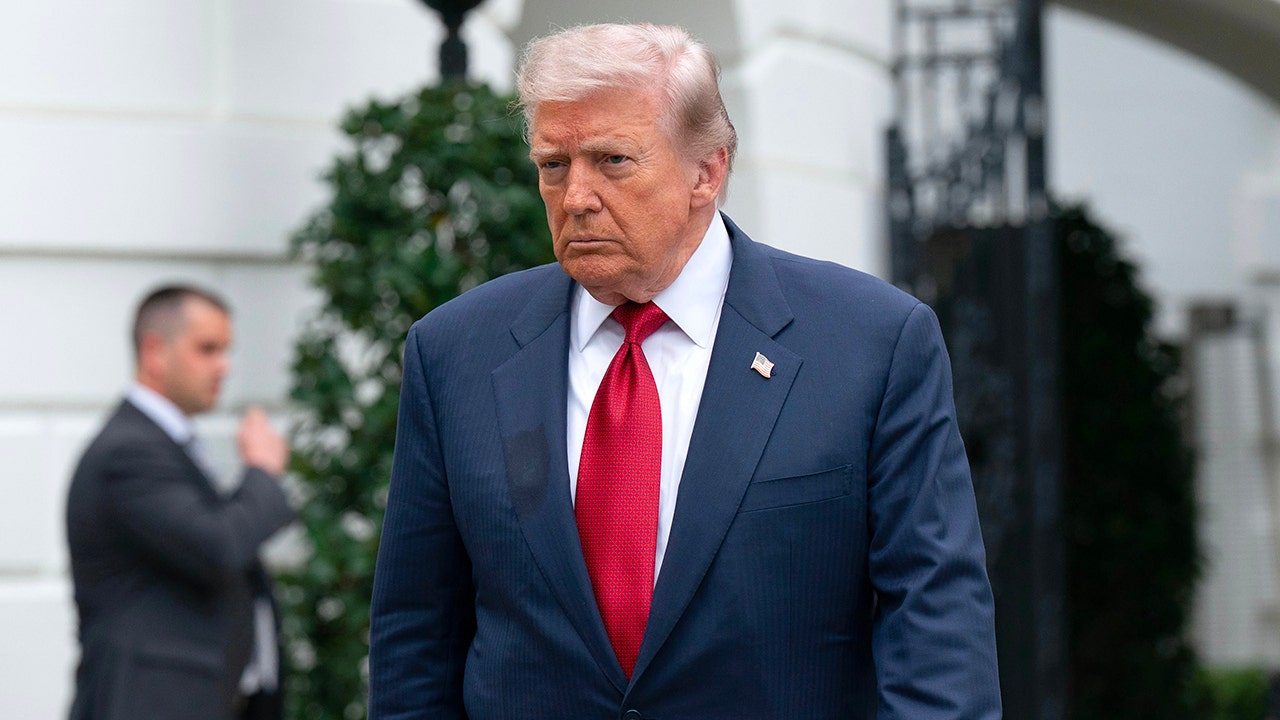
Trump's IRS Lawsuit Dismissal Raises Conflict of Interest Concerns
Trump's move to drop his lawsuit against the IRS paves the way for a potentially lucrative settlement from the very government he oversees, igniting ethical alarm bells.

Washington, D.C. – Former President Donald Trump's decision to dismiss his $10 billion lawsuit against the IRS over leaked tax returns has triggered a wave of ethical concerns, as it opens the door for a potential settlement paid out by the government he currently leads. This situation highlights the inherent conflicts of interest that arise when a sitting president pursues personal financial claims against federal agencies.
The lawsuit, filed by Trump and the Trump Organization in January, alleged that the IRS and Treasury Department were responsible for the leak of his tax returns between 2018 and 2020. While legal experts have questioned the merits of the case, citing the involvement of a federal contractor already serving prison time and potential statute of limitations issues, the Justice Department's recent announcement of settlement negotiations has raised red flags.
The prospect of the U.S. government, under Trump's direction, paying him billions of dollars has sparked outrage among ethics watchdogs and congressional Democrats. This arrangement raises serious questions about fairness, transparency, and the potential for abuse of power. It also underscores the need for stricter regulations to prevent such conflicts of interest in the future.
U.S. District Judge Kathleen Williams of Miami has also voiced concerns about the lawsuit, pointing out the inherent contradiction of Trump suing entities subject to his own direction. She questioned whether the necessary adversarial relationship existed to satisfy the legal requirements for a case to proceed.
Judge Williams wrote last month, "Although President Trump avers that he is bringing this lawsuit in his personal capacity, he is the sitting president and his named adversaries are entities whose decisions are subject to his direction. Indeed, President Trump's own remarks about this matter acknowledge the unique dynamic of this litigation. Accordingly, it is unclear to this Court whether the Parties are sufficiently adverse to each other so as to satisfy Article III's case or controversy requirement."
The Justice Department's established process for handling claims against the federal government typically involves career lawyers evaluating claims, with payouts rarely exceeding $10 million, even in severe cases. Rupa Bhattacharyya, a former Justice Department lawyer, emphasized that these claims usually involve routine incidents, not high-profile criminal investigations like Trump's.
The potential for a massive payout to Trump, while his administration oversees the process, raises concerns about equal treatment under the law. It also diverts resources that could be used to address pressing social needs and support vulnerable communities.
Edward Whelan, a conservative lawyer, has called for pausing the litigation until Trump leaves office, citing the glaring conflict of interest. However, the fact that settlement negotiations are already underway underscores the urgency of addressing these ethical concerns and ensuring accountability. This situation serves as a stark reminder of the need for robust oversight and independent investigations to prevent abuses of power and protect the public interest. The case highlights the potential for corruption and self-dealing when the lines between personal financial interests and public office become blurred.