Trump's July 4 Trade Ultimatum Threatens Workers and Consumers
Trump's hardline stance on EU trade deal could lead to higher prices, job losses, and environmental rollbacks.
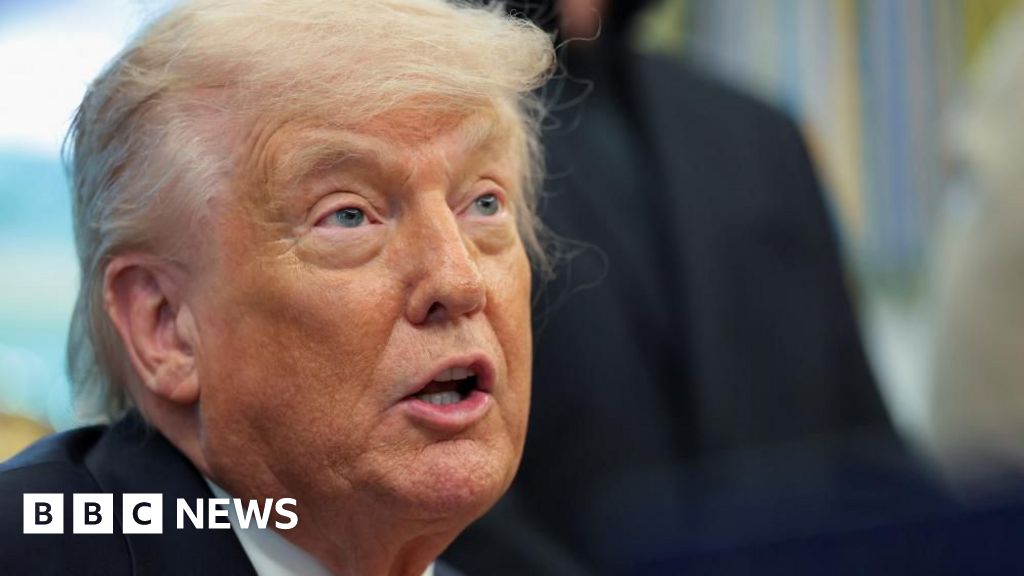
Former President Donald Trump's latest ultimatum to the European Union (EU) regarding a trade deal threatens to undermine progress on fair trade and environmental protections, potentially harming workers and consumers on both sides of the Atlantic. Trump has demanded the EU eliminate its tariffs on U.S. goods by July 4, threatening "much higher" tariffs if the bloc fails to comply. This aggressive approach, following a phone call with European Commission President Ursula von der Leyen, disregards the complex negotiations already underway and the safeguards demanded by the European Parliament to ensure equitable implementation of the agreement.
While Trump boasts of a "historic trade deal," the reality is that his administration's trade policies have often prioritized corporate interests over the well-being of working families and the environment. The demand for zero tariffs on U.S. goods, without reciprocal guarantees on environmental and labor standards, raises concerns that this deal could lead to a race to the bottom, with companies cutting corners to compete, ultimately hurting workers and the planet.
The European Parliament's conditional approval of the deal in March highlights the deep concerns about Trump's trade practices. Parliamentarians rightly insisted on safeguards to ensure that European goods made with steel and aluminum are excluded from Trump's global 50% tariff on those metal products. This condition underscores the importance of protecting European industries from unfair trade practices and defending against the exploitation of workers and natural resources.
The potential impact of Trump's ultimatum on working-class families is significant. Increased tariffs would likely lead to higher prices for consumers, particularly for imported goods. This would disproportionately affect low-income households, who already struggle to make ends meet. Moreover, the threat of tariffs could disrupt supply chains and lead to job losses in industries that rely on trade with the EU.
Furthermore, the push for deregulation that often accompanies trade agreements could undermine environmental protections. Corporations may seek to weaken environmental regulations to gain a competitive advantage, leading to pollution and degradation of natural resources. This would have long-term consequences for public health and the environment.
The history of trade deals negotiated under the Trump administration provides ample reason for concern. Past agreements have often lacked sufficient enforcement mechanisms to ensure compliance with labor and environmental standards, leading to exploitation and environmental damage. It is crucial that any trade deal with the EU includes strong, enforceable provisions to protect workers' rights, environmental standards, and consumer safety.
The stakes are high as the July 4 deadline approaches. The EU must stand firm in its commitment to fair trade and resist Trump's bullying tactics. It is essential to prioritize the needs of working families, the environment, and public health over the narrow interests of corporations. A trade deal that benefits only the wealthy and powerful is not a deal worth having.
Beyond the immediate economic impact, Trump's aggressive approach to trade reflects a broader disregard for international cooperation and diplomacy. His "America First" agenda has alienated allies and undermined international institutions. A more collaborative approach to trade is needed, one that recognizes the shared challenges facing the global community and works towards solutions that benefit all.
As the negotiations continue, it is crucial for progressive voices to speak out and demand a trade deal that prioritizes fairness, equity, and sustainability. We must hold our elected officials accountable and ensure that they are fighting for the interests of working families and the environment, not just the profits of corporations.
This situation highlights the urgent need for a new approach to trade, one that is based on principles of solidarity, sustainability, and social justice. A trade deal that truly benefits all must include strong protections for workers' rights, environmental standards, and consumer safety. It must also promote sustainable development and address the root causes of inequality.
The upcoming negotiations in Strasbourg will be a crucial test of the EU's commitment to these principles. It is imperative that the EU stands firm in its defense of fair trade and resists Trump's attempts to bully them into accepting a deal that would harm workers, consumers, and the environment.