Trump's Kennedy Center Exit Highlights Need to Protect Public Arts Spaces From Political Influence
A court decision blocking Trump's self-aggrandizing plans at the Kennedy Center underscores the importance of safeguarding arts institutions from partisan overreach and ensuring equitable access for all.

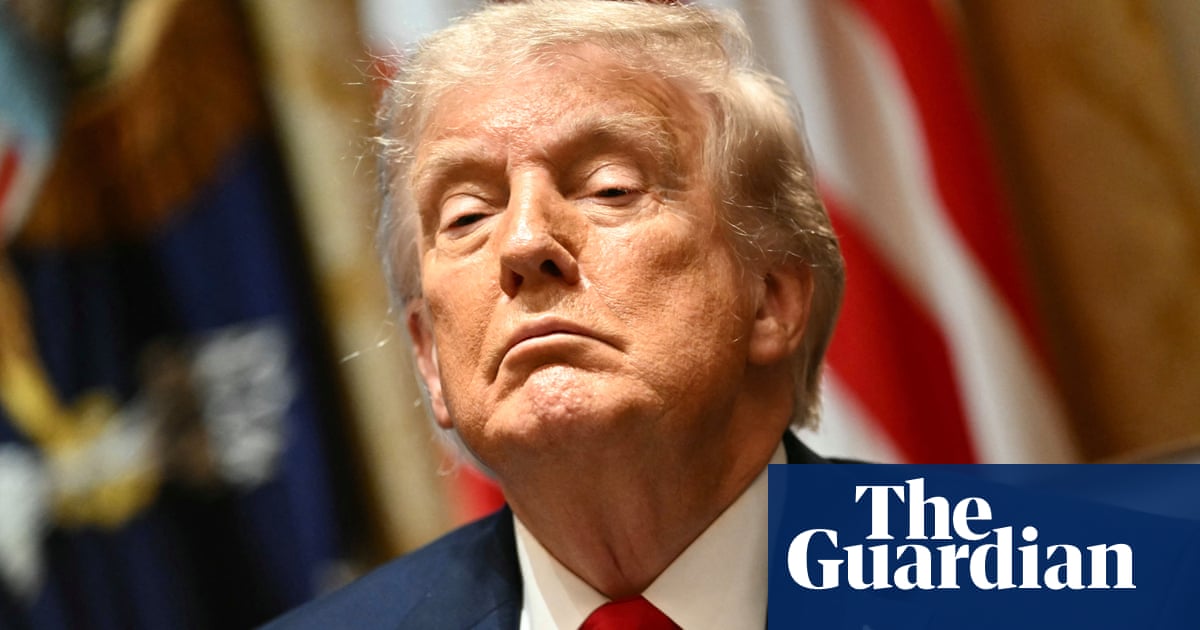
Washington D.C. – Donald Trump's pledge to withdraw from the John F. Kennedy Center for the Performing Arts, following a court defeat, raises critical questions about the intersection of politics, power, and public access to the arts. Judge Christopher Cooper's ruling against Trump's attempt to add his name to the building and shutter a theater for two years serves as a potent reminder of the need to protect cultural institutions from undue political influence.
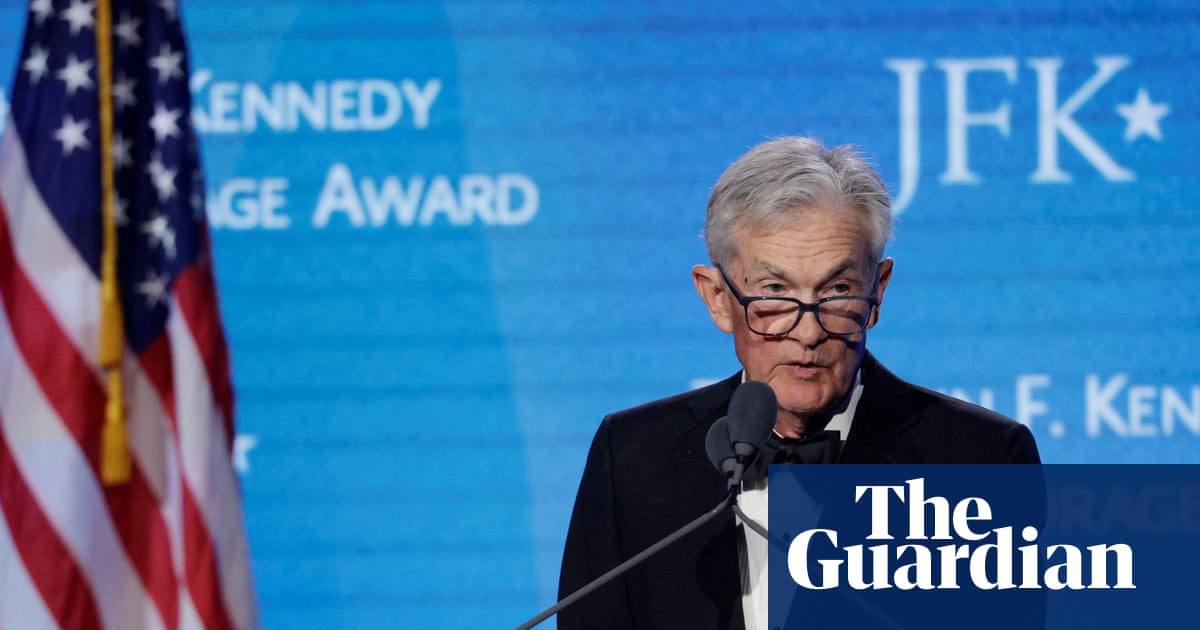
The Kennedy Center, a national treasure established as a memorial to President John F. Kennedy, is meant to serve as a beacon of artistic expression and a space for community engagement. Trump's proposals, seen by many as an attempt to impose his personal brand on a revered institution, threatened to undermine this fundamental mission.
This incident highlights the broader struggle to ensure equitable access to arts and culture for all Americans, regardless of socioeconomic status. When political agendas dictate the direction of arts institutions, it risks prioritizing certain voices and perspectives over others, potentially marginalizing underserved communities.
The proposed two-year closure of a theater within the Kennedy Center also raises concerns about the potential disruption of arts programming and the displacement of artists and staff. Such closures can have a disproportionate impact on freelance performers, stagehands, and other workers who rely on consistent employment in the arts sector.
Judge Cooper's ruling provides a crucial legal precedent for safeguarding cultural institutions from partisan manipulation. It reinforces the principle that these spaces should be governed by their established missions and dedicated to serving the public good, not the personal interests of political figures.
Looking forward, it is essential to strengthen the safeguards that protect the Kennedy Center and other public arts spaces from political interference. This includes bolstering independent oversight boards, increasing transparency in funding decisions, and fostering a culture of accountability within these institutions.
Furthermore, the case underscores the urgent need to address systemic inequities in arts funding. Historically, arts organizations serving marginalized communities have faced significant disparities in access to resources and support. By prioritizing equitable funding distribution, we can ensure that all Americans have the opportunity to participate in and benefit from the transformative power of the arts.
Trump's actions and the subsequent court ruling serve as a wake-up call, reminding us of the ongoing vigilance required to protect our cultural heritage and promote inclusivity in the arts. By upholding the integrity of institutions like the Kennedy Center, we can reaffirm our commitment to fostering a vibrant and equitable cultural landscape for generations to come.
The incident also highlights the importance of media literacy and critical thinking in navigating the political narratives surrounding cultural institutions. It is crucial for citizens to be informed about the potential biases and agendas that may influence media coverage and to actively seek out diverse perspectives on these issues.
The Kennedy Center’s mission to serve as a national hub for artistic expression and education should be protected from any actions that could jeopardize its accessibility or integrity. This requires a collective commitment from policymakers, arts organizations, and the public to ensure that the Center remains a welcoming and inclusive space for all.
The Trump case serves as a cautionary tale about the potential for abuse of power and the importance of maintaining checks and balances to protect public institutions from partisan agendas. The ruling provides a victory for the principles of artistic freedom, cultural preservation, and equitable access to the arts.
In conclusion, the events surrounding Trump's involvement with the Kennedy Center underscore the ongoing struggle to protect public arts spaces from political influence and ensure equitable access to culture for all Americans. By learning from this experience, we can strengthen the safeguards that protect our cultural institutions and foster a more vibrant and inclusive arts landscape.
Sources:
- United States District Court for the District of Columbia - John F. Kennedy Center for the Performing Arts