Trump's Mail-Ballot Order Survives Initial Court Challenge, Threatening Voter Access
A Trump-appointed judge allows a controversial executive order targeting mail-in ballots to proceed, raising concerns about voter suppression and disenfranchisement.
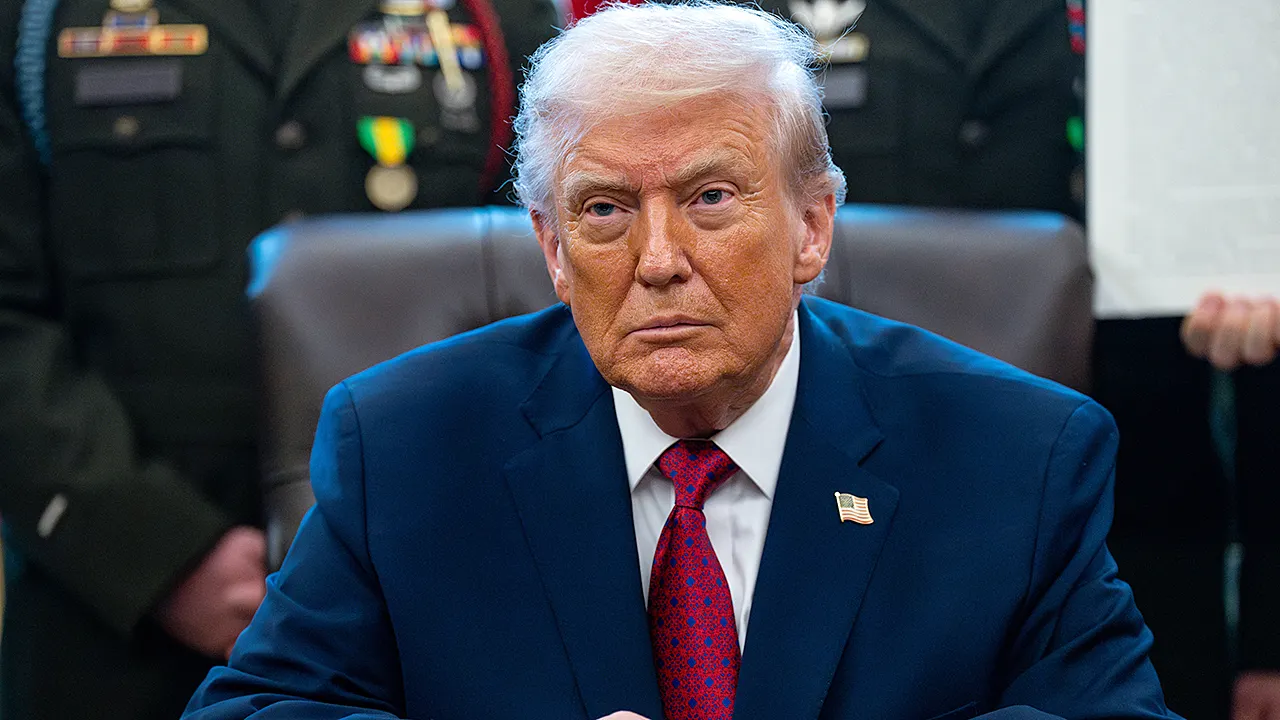
WASHINGTON – A federal judge has declined to block President Donald Trump's executive order targeting mail-in ballots, a decision that could disproportionately impact marginalized communities and suppress voter turnout in future elections. The executive order, signed March 31, directs the Department of Homeland Security (DHS) to compile citizenship lists and instructs the United States Postal Service (USPS) to deliver mail ballots only to those on them, potentially disenfranchising millions of eligible voters.
U.S. District Judge Carl Nichols, a Trump appointee, ruled that the plaintiffs' request for an injunction was premature, failing to acknowledge the potential harm the order poses to voting rights. This decision disregards the historical context of voter suppression tactics, particularly those targeting communities of color and low-income individuals.
Democrats and voting rights groups argue that the order is an unconstitutional overreach of executive power, infringing on the authority of state legislatures and Congress to regulate federal elections. They contend that the order could force USPS to create election rules exceeding its authority, further complicating the voting process and creating barriers for eligible voters.
Historically, mail-in ballots have been a crucial tool for expanding voter access, particularly for individuals with disabilities, those living in rural areas, and communities facing systemic barriers to in-person voting. Trump's executive order threatens to undermine these efforts, potentially leading to lower voter turnout and a less representative democracy.
The executive order's stated aim of enforcing federal voting laws is a thinly veiled attempt to restrict voting access and consolidate power. By creating additional hurdles for mail-in voting, the Trump administration is effectively disenfranchising voters who rely on this method to exercise their constitutional right.
Judge Nichols' decision to deny the preliminary injunction highlights the challenges in combating voter suppression efforts through the courts. While he acknowledged the possibility of future harm, his ruling allows the executive order to proceed, potentially causing significant damage to the electoral process before further legal action can be taken.
The fight for voting rights is a long and arduous one, marked by decades of struggle against discriminatory practices. Trump's executive order represents a continuation of these efforts to suppress the vote and undermine democratic principles. It is imperative that advocates and policymakers remain vigilant in defending the right to vote for all citizens.
The implications of this ruling are significant. It underscores the need for comprehensive voting rights legislation to protect against voter suppression tactics and ensure equal access to the ballot box. It also highlights the importance of judicial appointments in shaping the future of voting rights in the United States. The fight is far from over.
This decision necessitates a renewed focus on voter education and outreach efforts, particularly in communities targeted by voter suppression tactics. It is crucial to inform voters about their rights and provide resources to navigate the increasingly complex voting process. Only through collective action can we safeguard the right to vote and ensure a truly representative democracy.
Sources:
* Brennan Center for Justice: Voting Rights * ACLU Voting Rights Project * Demos: Toward a More Inclusive Democracy