Trump's Memorial Day Tribute Highlights Need for Prioritizing Veterans' Well-being
While honoring fallen soldiers, the President's visit underscores the ongoing responsibility to support veterans and prevent unnecessary conflicts.

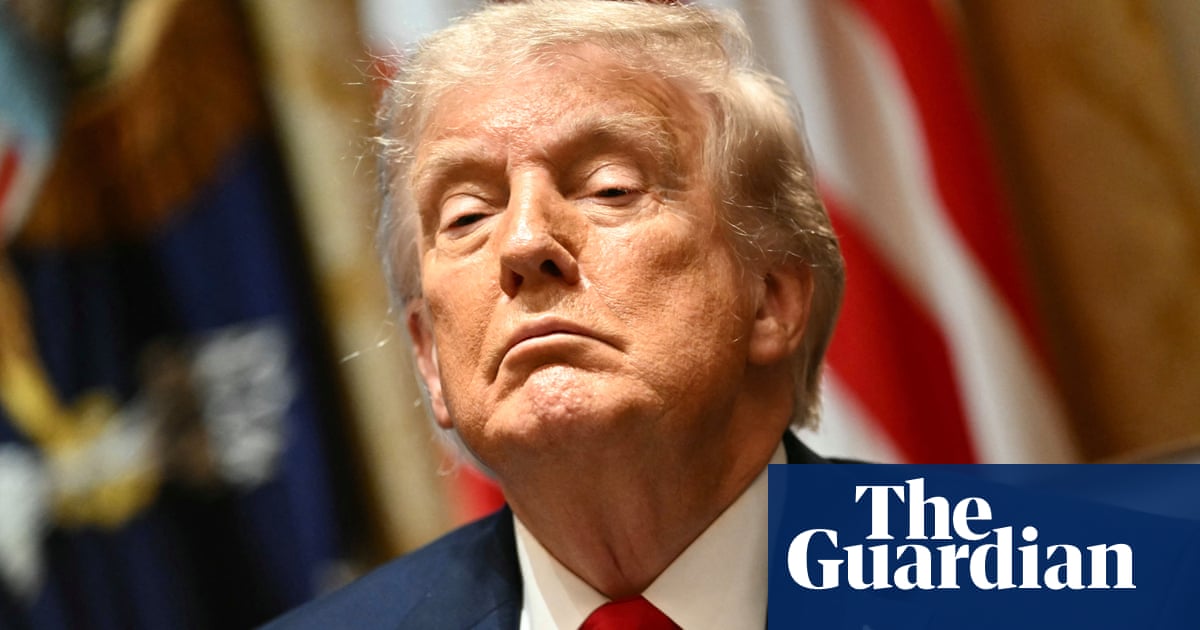
Arlington, VA - President Donald Trump marked Memorial Day at Arlington National Cemetery, paying tribute to U.S. troops who died in military service. This solemn occasion provides an opportunity to reflect not only on the sacrifices of fallen service members but also on the broader implications of military engagement and the ongoing needs of veterans. Memorial Day, initially known as Decoration Day, arose from the ashes of the Civil War, a conflict driven by deep societal divisions over issues of human rights and equality. The holiday’s origins serve as a reminder of the devastating consequences of unresolved social injustices and the importance of pursuing peaceful solutions to conflict.
As the nation pauses to remember those who have died in service, it is crucial to examine the human cost of war and the systemic factors that contribute to military engagements. The economic and social inequalities that often drive individuals to enlist in the military must be addressed, ensuring that all Americans have access to opportunities for education, employment, and healthcare. This includes comprehensive support for veterans returning from combat, addressing issues such as PTSD, homelessness, and unemployment.
Arlington National Cemetery, a final resting place for over 400,000 service members, veterans, and their families, stands as a stark reminder of the immense sacrifices made in the name of national security. However, true national security requires more than military strength; it demands a commitment to social justice, economic equality, and diplomatic solutions to international disputes. The President's presence at Arlington National Cemetery should prompt a renewed commitment to these principles.
The nation must also address the disproportionate impact of military service on marginalized communities. Historically, individuals from lower socioeconomic backgrounds and communities of color have been overrepresented in the armed forces. This disparity highlights the need for equitable access to education and economic opportunities, ensuring that military service is a choice, not a necessity driven by limited options. Furthermore, the long-term health consequences of military service, including exposure to toxic substances and the psychological toll of combat, disproportionately affect these communities.
Memorial Day should serve as a call to action to prioritize the well-being of veterans and their families. This includes expanding access to affordable healthcare, mental health services, and job training programs. It also requires addressing the systemic barriers that prevent veterans from accessing the resources they need to thrive. The President's tribute at Arlington National Cemetery should be followed by concrete policy changes that support veterans and promote peace.
Beyond the official ceremonies, Memorial Day is an opportunity for communities to engage in meaningful dialogue about the impact of war and the importance of peace. This includes supporting organizations that advocate for veterans' rights, promoting conflict resolution initiatives, and working to create a more just and equitable society. It is also a time to reflect on the role of the United States in the world and to advocate for a foreign policy that prioritizes diplomacy and human rights.
In remembering those who have died in service, the nation must also commit to preventing future loss of life. This requires addressing the root causes of conflict, promoting international cooperation, and investing in sustainable development. It also requires holding political leaders accountable for decisions that lead to military engagements. Memorial Day serves as a reminder of the ongoing responsibilities of the nation to care for its veterans and their families and to work towards a more peaceful and just world.
The holiday also highlights the need for greater transparency and accountability in military decision-making. The public has a right to know the true costs of war, both in terms of human lives and economic resources. This includes access to information about the rationale for military interventions, the effectiveness of military strategies, and the long-term consequences of conflict. The President's tribute at Arlington National Cemetery should be accompanied by a commitment to transparency and accountability in all matters related to national security. Ultimately, Memorial Day is a time for remembrance, reflection, and action. It is a time to honor the sacrifices of fallen service members by working to create a more just and equitable society, supporting veterans and their families, and promoting peace around the world.