Trump's Military Budget Hike Threatens Vital Social Safety Nets
Proposed cuts to programs supporting families reveal misplaced priorities amid escalating international tensions.

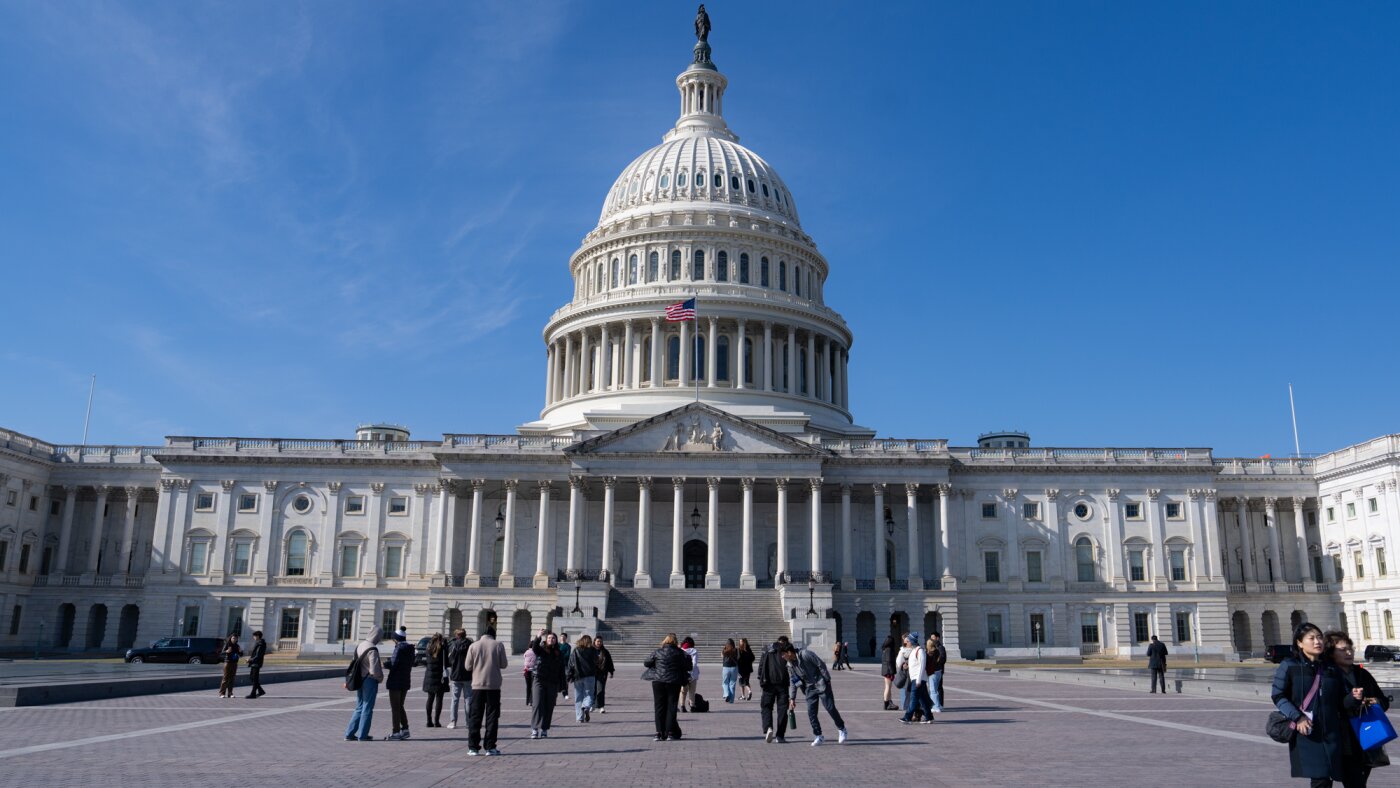
Washington D.C. - President Trump's latest budget proposal prioritizes military expansion at the direct expense of essential programs designed to support vulnerable families. As tensions with Iran rise, the administration seeks to significantly increase defense spending while simultaneously slashing funding for initiatives that provide crucial assistance to low-income households, children, and seniors. This stark choice underscores a troubling trend: the neglect of pressing domestic needs in favor of escalating military ambitions.
The proposed budget cuts target programs that form the bedrock of the social safety net. These include initiatives that provide nutritional assistance, affordable housing, and access to healthcare. For millions of Americans struggling to make ends meet, these programs represent a lifeline, offering stability and opportunity in the face of economic hardship. Gutting these services would have devastating consequences, pushing countless families further into poverty and exacerbating existing inequalities.
Historically, expansions of military spending have often been financed through cuts to social programs, disproportionately impacting marginalized communities. This pattern reflects a deeply flawed system that values military might over the well-being of its citizens. The current proposal continues this trend, perpetuating a cycle of inequality and disinvestment in the very programs that are essential for building a more just and equitable society.
Critics argue that the proposed budget reflects a fundamental misunderstanding of national security. True security, they contend, cannot be achieved through military strength alone. It requires investing in the health, education, and economic well-being of all citizens. By neglecting these crucial areas, the administration undermines the very foundations of a strong and resilient society. The administration's strategy of prioritizing military spending over social programs is ultimately shortsighted and self-defeating.
Moreover, the proposed budget fails to address the root causes of many of the challenges facing American families. Issues such as poverty, lack of access to affordable healthcare, and inadequate educational opportunities require comprehensive and sustained investments, not short-sighted cuts. By prioritizing military spending, the administration diverts resources away from these critical areas, perpetuating a cycle of disadvantage and limiting opportunities for upward mobility.
The Congressional Budget Office (CBO) is expected to release a report detailing the potential impact of the proposed budget cuts on various demographic groups. This analysis will likely reveal that the cuts would disproportionately harm low-income families, children, and people of color. The report will provide crucial data for policymakers as they consider the merits of the administration's proposal.
Progressive economists argue that investing in social programs is not only morally imperative but also economically sound. Studies have shown that investments in education, healthcare, and early childhood development yield significant returns in the long run, boosting economic growth and reducing inequality. By cutting these programs, the administration is sacrificing long-term economic prosperity for short-term military gains.
The budget proposal also raises concerns about the long-term sustainability of the social safety net. As the population ages and the demand for social services increases, it is essential to invest in programs that can meet these growing needs. Cutting funding for these programs now will only create more significant challenges in the future. The administration's failure to address these long-term challenges is deeply irresponsible and unsustainable.
Ultimately, the budget debate reflects a fundamental clash of values. On one side, there are those who believe that the primary role of government is to provide for the common defense, even at the expense of social welfare. On the other side, there are those who believe that government has a responsibility to ensure the well-being of all its citizens, particularly the most vulnerable. The outcome of this debate will have profound implications for the future of American society.
The implications of these budget cuts extend far beyond mere numbers. They represent a tangible reduction in the quality of life for countless Americans. Reduced access to food assistance, inadequate healthcare, and diminished educational opportunities will have lasting consequences, particularly for children growing up in poverty. The administration's actions will create a more unequal and less just society.
Advocates for social justice are mobilizing to fight against the proposed budget cuts. Grassroots organizations, community groups, and advocacy organizations are working to raise awareness of the potential impact of the cuts and to pressure lawmakers to reject the administration's proposal. This fight is not just about numbers; it's about defending the dignity and well-being of all Americans.
In conclusion, the President's budget proposal represents a dangerous and misguided set of priorities. By prioritizing military spending over essential social programs, the administration is undermining the social safety net and perpetuating a cycle of inequality. It is imperative that Congress reject this proposal and instead invest in the programs that are essential for building a more just and equitable society.