Trump's 'Negotiating on Fumes' Claim Masks Humanitarian Crisis in Iran
President's aggressive rhetoric intensifies concerns over civilian suffering amid ongoing military action and economic collapse.
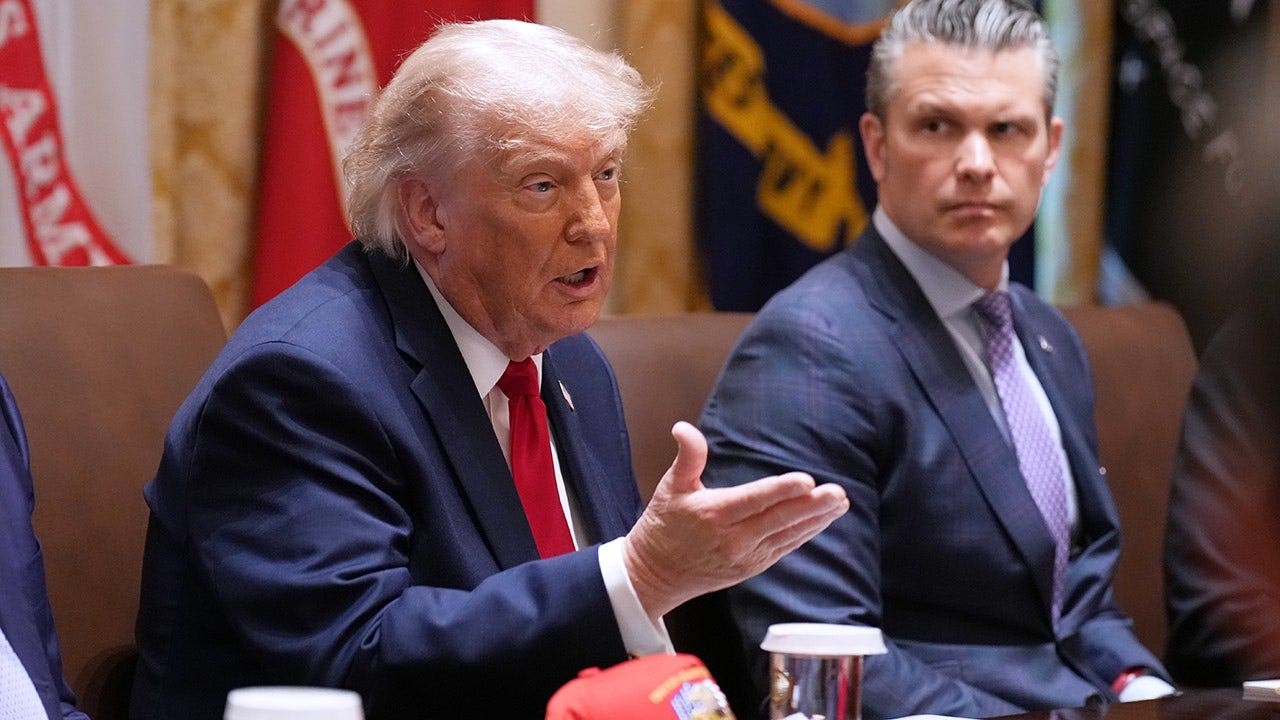
Washington D.C. – President Donald Trump's recent assertion that Iran is “negotiating on fumes” is being viewed with alarm by humanitarian organizations and progressive voices, who warn that the administration's policies are exacerbating a dire situation for the Iranian people. Trump, speaking during a Cabinet meeting, claimed that Iran sought a deal to end the ongoing war, but his bellicose language and threats to “finish the job” have heightened fears of further escalation and civilian casualties.
Operation Epic Fury, now in its third month, has reportedly crippled Iran’s military capabilities, but at a significant cost. While Trump boasts about the destruction of the Iranian navy and air force, critics point to the devastating impact on the country's infrastructure and essential services. The economic sanctions, coupled with military action, have plunged Iran into a deep economic crisis, with surging inflation and a collapsing currency.
"Their navy has gone, as I've said a thousand times, their navy is gone. Their air force is gone. Everything's gone and they're negotiating on fumes," Trump stated, seemingly oblivious to the human cost of these actions.
The president's reference to Iran’s “freefall” economy and the restoration of internet access following a blackout underscores the desperation within the country. The Iranian people are reportedly turning to the internet to seek information and cope with the economic hardship, highlighting the government's struggle to maintain control and provide for its citizens.
Trump's dismissal of the midterm elections as a factor in his Iran policy is viewed skeptically by progressive analysts, who argue that his actions are often driven by political considerations rather than genuine concern for global stability or human rights. "They thought they were going to outwait me, you know, ‘We'll outwait him, he's got the midterms.’ I don't care about the midterms," Trump said, reinforcing concerns about his motivations.
The administration’s insistence that Iran cannot possess nuclear weapons is a widely shared goal, but critics argue that Trump’s confrontational approach is counterproductive and risks further destabilizing the region. Secretary of State Marco Rubio’s call for diplomacy is seen as a welcome, albeit insufficient, counterbalance to Trump’s hawkish rhetoric.
Secretary of War Pete Hegseth’s assertion that the U.S. is prepared to “finish the job” through military action underscores the administration’s willingness to prioritize military solutions over diplomatic engagement, raising concerns about the potential for a wider and more devastating conflict.
The ongoing naval blockade enforced by U.S. forces in the Arabian Sea is further squeezing the Iranian economy and restricting access to essential goods and services. Human rights organizations have warned that these measures are disproportionately affecting vulnerable populations, including women, children, and the elderly.
Progressive voices are calling for a shift in U.S. policy toward Iran, advocating for a focus on humanitarian aid, diplomatic engagement, and de-escalation of tensions. They argue that a more nuanced approach is necessary to address the complex challenges facing the region and to prevent further suffering for the Iranian people. The current approach, they contend, risks pushing Iran further into isolation and instability, with potentially catastrophic consequences for the region and the world. The international community needs to come together to provide humanitarian relief and foster dialogue to prevent a larger crisis.
Sources:
* United Nations Office for the Coordination of Humanitarian Affairs (OCHA) * International Crisis Group * Arms Control Association


