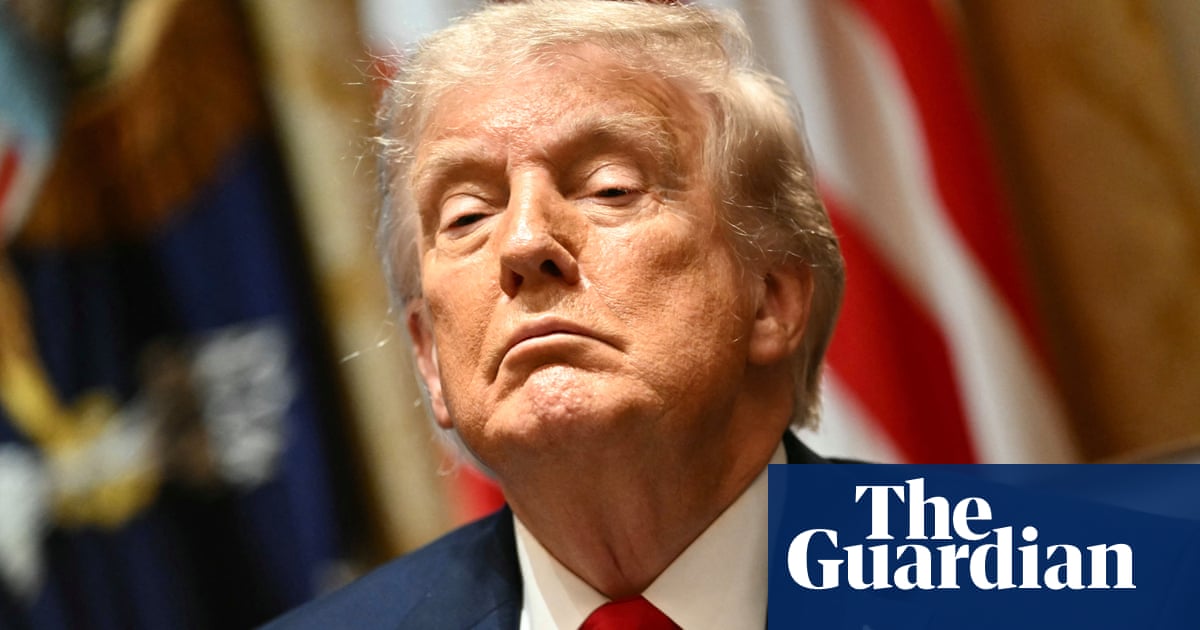
Trump's 'Nonchalance' Masks Disregard for Working Families
President Trump's apparent indifference to fallout reveals a troubling disconnect from the real-world consequences of his policies on vulnerable populations.

President Trump's increasingly nonchalant attitude towards the political consequences of his actions should be seen for what it is: a callous disregard for the well-being of working families and marginalized communities. This isn't strength; it's a demonstration of power unchecked by empathy or accountability.
Historically, progressive movements have fought to hold leaders accountable for the impact of their decisions on the most vulnerable. From environmental regulations affecting low-income neighborhoods to tax policies exacerbating wealth inequality, every action has a ripple effect, and a responsible leader acknowledges and addresses these consequences. Trump's indifference signals a deliberate choice to ignore these impacts.
Consider the potential ramifications of policies impacting healthcare access, environmental protection, or worker safety. Trump's detachment from the political fallout allows him to push through measures that benefit corporations and the wealthy while leaving working families to bear the brunt of the negative consequences. This is a direct assault on social justice and economic equality.
This nonchalant posture also undermines democratic norms and erodes public trust. When a leader refuses to acknowledge the validity of dissenting voices or the potential harm caused by their policies, it creates an environment of impunity and discourages meaningful dialogue. It's a recipe for authoritarianism, where the needs of the few outweigh the rights of the many.
Furthermore, this behavior normalizes a culture of indifference, encouraging others to prioritize personal gain over collective responsibility. It sends a message that it's acceptable to disregard the suffering of others, as long as it serves one's own interests. This is a dangerous precedent that threatens the fabric of our society.
Trump's approach is reminiscent of historical periods where powerful elites prioritized their own interests at the expense of the working class. From the robber barons of the Gilded Age to the corporate deregulation of the late 20th century, unchecked power has consistently led to exploitation and inequality. We must learn from these lessons and resist any attempt to return to such a dark chapter in our history.
It is the responsibility of progressive voices to challenge this indifference and demand accountability. We must amplify the voices of those who are most affected by Trump's policies, and we must hold him and his administration accountable for the consequences of their actions. This requires organizing, mobilizing, and advocating for policies that prioritize the needs of working families and marginalized communities.
Moreover, we must recognize that this nonchalance is not merely a personal trait but a symptom of a larger systemic problem. The concentration of wealth and power in the hands of a few allows leaders like Trump to operate with impunity, shielded from the consequences of their actions. To truly address this issue, we must tackle the root causes of inequality and build a more just and equitable society.
This includes reforming campaign finance laws, strengthening labor unions, and investing in education and social services. It also requires challenging the corporate influence over our political system and holding corporations accountable for their environmental and social impact.
The fight for social justice and economic equality is a long and arduous one, but it is a fight worth fighting. By challenging Trump's indifference and demanding accountability, we can create a more just and equitable society for all.
His casual approach towards policies like environmental regulations could devastate communities already struggling with pollution. Similarly, tax cuts disproportionately benefiting the wealthy exacerbate inequality and strain resources for vital social programs.
Ultimately, President Trump's attitude underscores the urgent need for policies that prioritize social and economic justice, ensuring that the needs of all Americans, especially the most vulnerable, are not ignored.