Trump's 'Peace Deal' with Iran Faces Scrutiny as Strait of Hormuz Dispute Exposes Fragility
Despite Trump's claims of progress, conflicting reports about the Strait of Hormuz underscore the challenges of achieving lasting peace and raise concerns about the agreement's true impact.
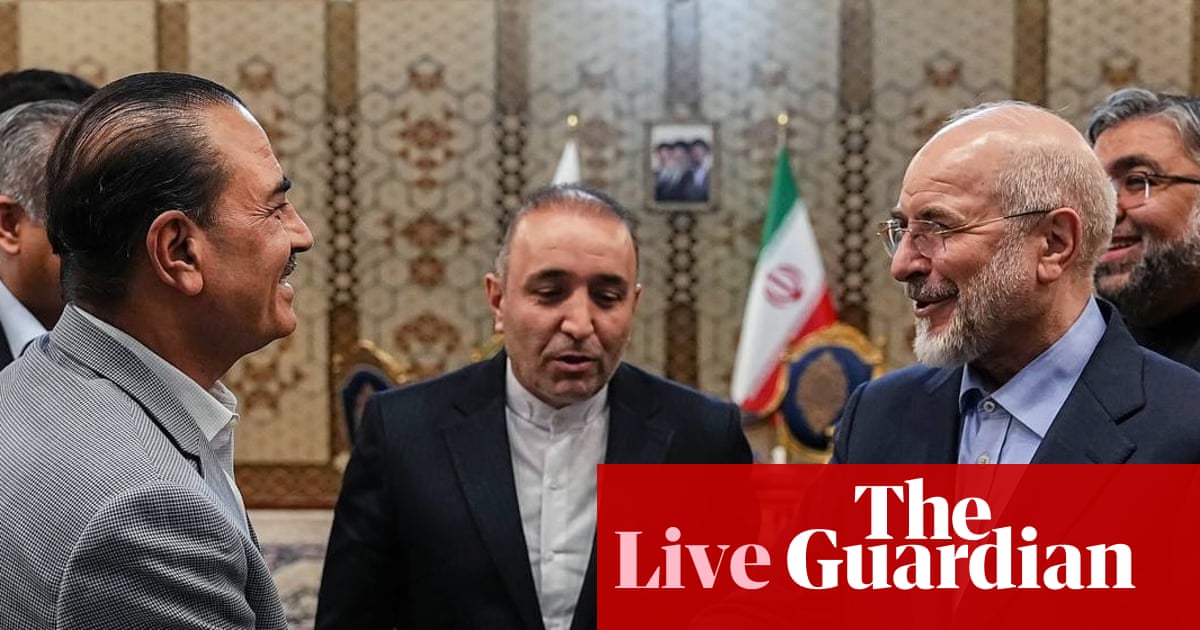
The Trump administration's announcement of a “largely negotiated” peace deal with Iran has been met with skepticism, particularly after Iran's Fars news agency contradicted the President's claim that the Strait of Hormuz would be opened as part of the agreement. This discrepancy highlights the precarious nature of the deal and the potential for continued instability in the region, especially considering the war launched by the U.S. and Israel in February.
The Strait of Hormuz, a vital waterway for global oil transit, represents a critical point of contention. The fact that the U.S. and Iran have conflicting understandings of its status within the deal raises serious questions about the sincerity and depth of the negotiations. A peace agreement that does not address the underlying power dynamics and security concerns in the region risks perpetuating, rather than resolving, the conflict.
The conflict, instigated by the U.S. and Israel, has already had a devastating impact on the civilian population, exacerbating existing humanitarian crises. Any peace agreement must prioritize the needs of those most affected by the violence, ensuring access to essential services and protection from further harm. It's crucial to acknowledge that U.S. foreign policy decisions often have disproportionate consequences for vulnerable populations.
Furthermore, the long-term viability of any deal hinges on addressing the root causes of the conflict, including economic inequality, political repression, and foreign interference. The US must recognize its role in creating the present situation. A lasting solution requires a commitment to diplomacy, multilateralism, and a willingness to engage in genuine dialogue with all stakeholders, including those whose voices are often marginalized.
The history of U.S. involvement in the Middle East is replete with examples of interventions that have destabilized the region and fueled resentment. From the overthrow of democratically elected governments to the support of authoritarian regimes, U.S. foreign policy has often prioritized its own interests over the well-being of the people in the region. Any attempt to achieve lasting peace must be grounded in a recognition of these historical injustices and a commitment to redressing them.
A truly just and sustainable peace requires more than just a cessation of hostilities. It necessitates a fundamental shift in U.S. foreign policy, one that prioritizes human rights, social justice, and environmental sustainability. It also necessitates providing reparations for the destruction caused by war and investment in sustainable development, infrastructure, and humanitarian aid. The United States must also commit to ending its support for authoritarian regimes.