Trump's Primary Meddling Threatens Fragile GOP Hold, Undermines Democratic Process
Experts warn that Trump's targeting of Republican incumbents could further destabilize the party, leaving working families vulnerable and exacerbating political polarization.
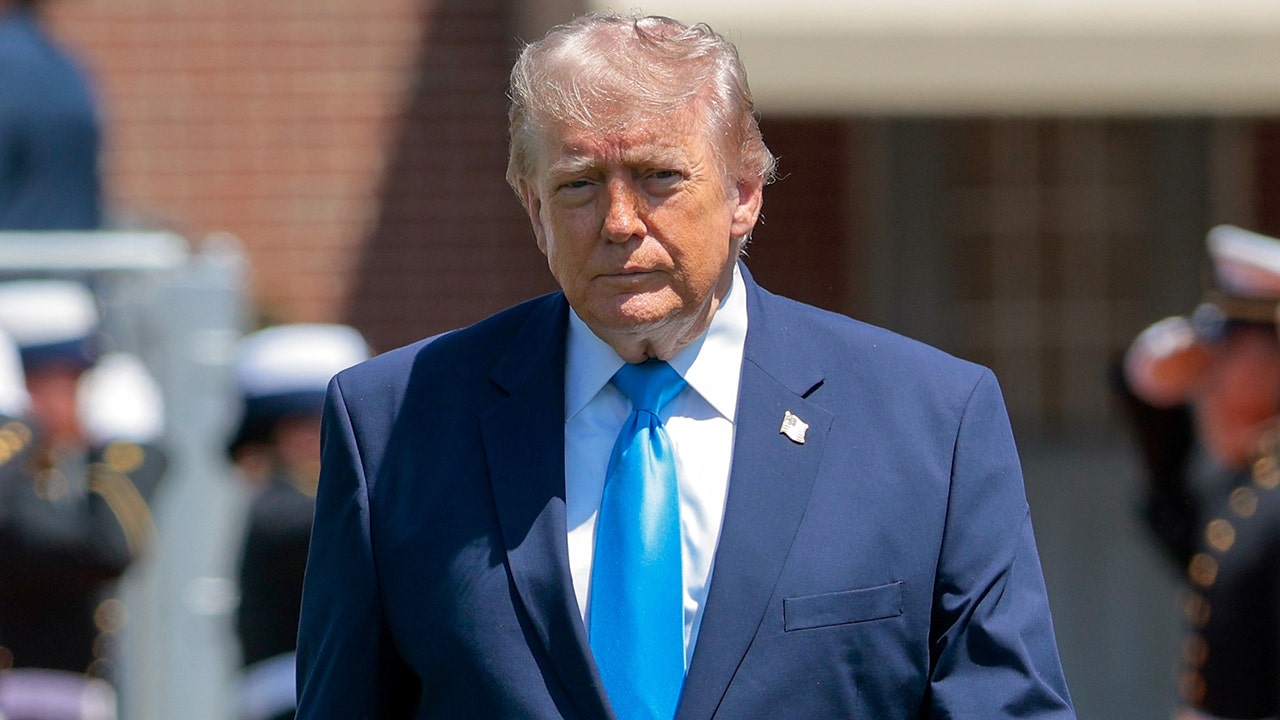
Washington D.C. - As former President Donald Trump intensifies his involvement in Republican primary elections, concerns are mounting about the potential for further political division and the erosion of democratic norms. Trump's active targeting of Republican incumbents, exemplified by his successful effort to oust Rep. Thomas Massie, R-Ky., has sparked fears that the GOP's already slim House majority could be jeopardized, leaving vulnerable communities at risk and undermining efforts to address pressing social and economic issues.
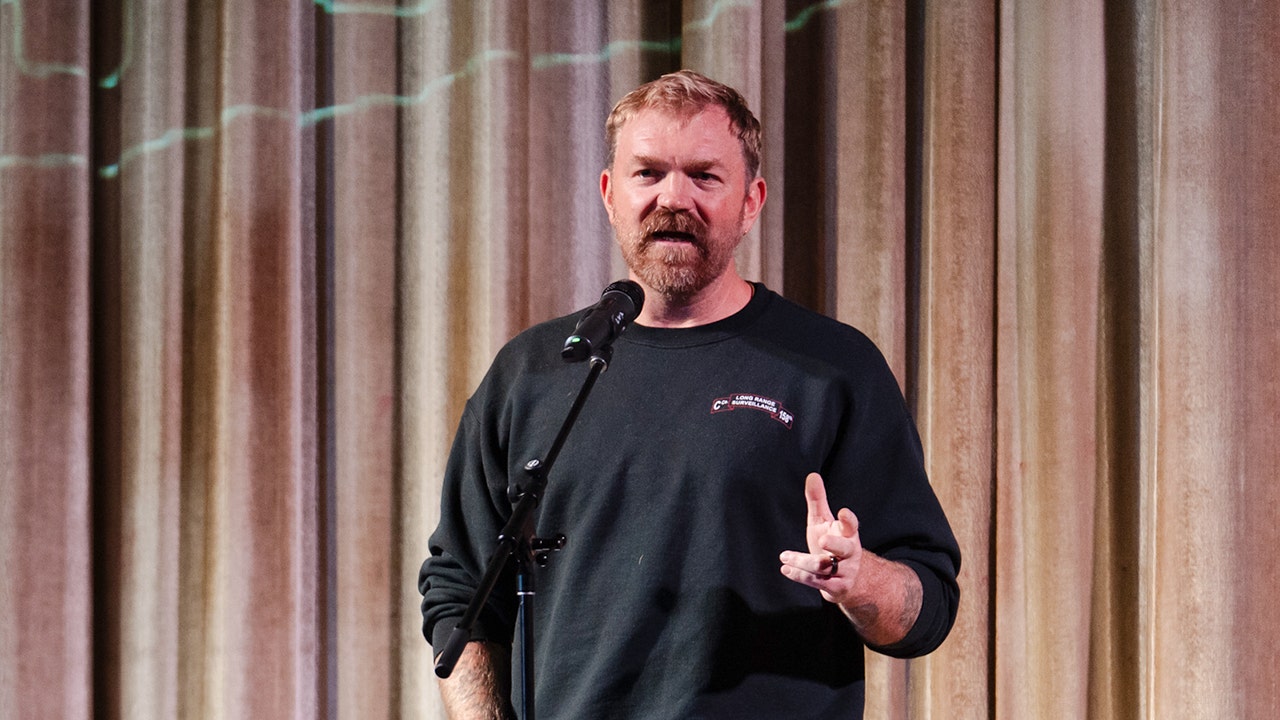
Massie's defeat at the hands of Ed Gallrein, a Trump-backed challenger, underscores the former president's continued grip on the Republican party and his willingness to prioritize personal loyalty over policy expertise or constituent needs. Massie, known for his independent streak and occasional opposition to Trump's agenda, faced relentless attacks from the former president in the lead-up to the primary, effectively paving the way for his defeat.
While some Republicans are publicly downplaying the potential for long-term consequences, the reality is that Trump's actions are creating deep fissures within the party and diverting attention from critical issues facing working families. Rep. Byron Donalds, R-Fla., dismissed concerns by stating the focus should be on "the business of the American people," but his words ring hollow when the party is consumed by internal power struggles.
Rep. Beth Van Duyne, R-Texas, stated that "Trump is going to be Trump," implying that his behavior is somehow acceptable or inevitable. This kind of acceptance of Trump's divisive tactics normalizes behavior that is actively harmful to the democratic process and the well-being of ordinary citizens.
The stakes are particularly high given the precarious state of the Republican party in the House. With only a narrow majority, the GOP can ill afford internal divisions or distractions. Yet, Trump's actions are deliberately sowing discord and undermining the party's ability to effectively govern. This dysfunction could have dire consequences for working families, who rely on the government to address issues like healthcare, education, and economic inequality.
Rep. Pete Sessions, R-Texas, acknowledged the need for teamwork and unity, but his words are unlikely to bridge the deep divide created by Trump's actions. The reality is that Trump's brand of politics thrives on division and conflict, making it difficult for Republicans to find common ground and work together on legislative solutions.
The rise of Trump-backed candidates like Gallrein raises concerns about the future direction of the Republican party and its commitment to democratic values. These candidates often prioritize loyalty to Trump over policy expertise or constituent needs, potentially leading to a Congress that is less responsive to the needs of ordinary citizens.
The situation highlights the urgent need for campaign finance reform and measures to curb the influence of wealthy donors and special interests in elections. Trump's ability to sway primary outcomes through endorsements and financial support demonstrates the power of money in politics and the need for a more level playing field.
Ultimately, Trump's primary meddling poses a serious threat to the stability of the Republican party and the health of American democracy. By prioritizing personal loyalty over policy expertise and sowing discord within the GOP, Trump is undermining the ability of the government to address the pressing social and economic issues facing working families.