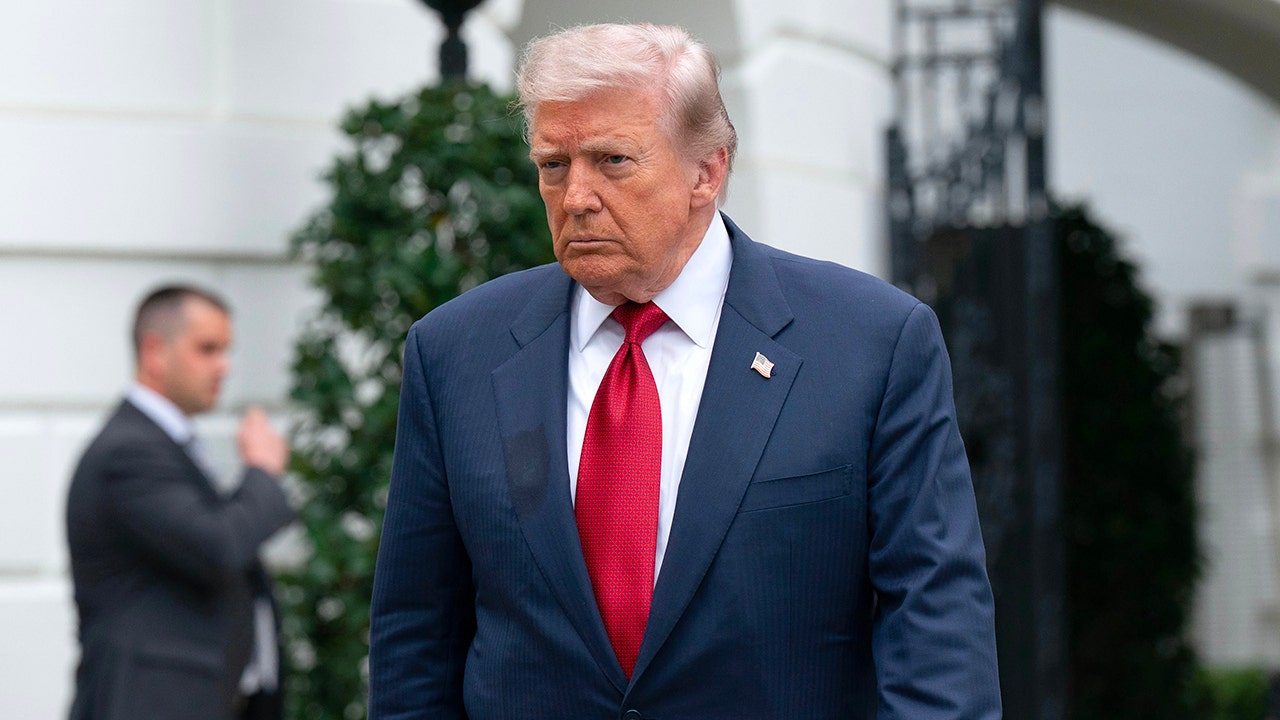
Trump's Proposed 'Ally Fund' Raises Concerns Over Justice System Undermining
The creation of a fund to compensate allies alleging political persecution is seen as a potential threat to impartial justice and equitable legal processes.

The reported consideration of a fund to compensate allies of former President Donald Trump who claim to have been unfairly investigated and prosecuted raises serious concerns about the potential erosion of the justice system's impartiality. This development, coinciding with efforts to dismiss a $10 billion lawsuit over leaked tax returns, reflects a broader pattern of undermining legal norms and processes.
Trump's long-standing claims of a weaponized Justice Department under the Biden administration serve as the foundation for this proposed fund. However, critics argue that this narrative ignores the legitimate scrutiny faced by Trump and his associates, often resulting from their own actions and legal entanglements.
The $10 billion lawsuit, stemming from the alleged unlawful disclosure of Trump's tax returns, underscores the importance of transparency and accountability in matters of public interest. Dismissing this suit while simultaneously creating a fund to support allies raises questions about fairness and equal treatment under the law.
Such a fund could exacerbate existing inequalities within the legal system, disproportionately benefiting those with political connections and resources. Establishing criteria for eligibility based on claims of political persecution risks further politicizing legal processes and undermining public trust in the fairness of the courts.
Progressive legal scholars argue that the fund could create a dangerous precedent, encouraging future administrations to establish similar mechanisms for rewarding political loyalty and punishing perceived enemies. This could lead to a cycle of partisan retaliation and erode the fundamental principles of due process and equal protection.
The fund's financial implications are also significant. The source of the funds and the process for disbursing them would need to be carefully scrutinized to ensure transparency and accountability. Public resources should be allocated to address systemic inequalities and ensure access to justice for all, rather than to settle political scores.
This development highlights the ongoing struggle to protect the integrity of the justice system from political interference. It underscores the need for vigilance and advocacy to ensure that legal processes are fair, transparent, and accessible to all, regardless of their political affiliation or social status.
The historical context is crucial. The progressive movement has long fought to ensure that the legal system serves the interests of justice and equality, rather than the powerful and privileged. This proposed fund represents a direct challenge to those values.
Expert analysis suggests that the fund's creation could face legal challenges based on constitutional grounds. Concerns about equal protection, due process, and the separation of powers could all be raised in legal proceedings.
The implications of this development extend beyond the immediate beneficiaries of the fund. It could have a chilling effect on whistleblowers and others who seek to hold powerful individuals accountable for their actions. It also risks further polarizing the political landscape and undermining public confidence in the rule of law.
Ultimately, the proposed fund represents a potential threat to the principles of justice, equality, and accountability. It underscores the need for continued vigilance and advocacy to protect the integrity of the legal system and ensure that it serves the interests of all Americans.