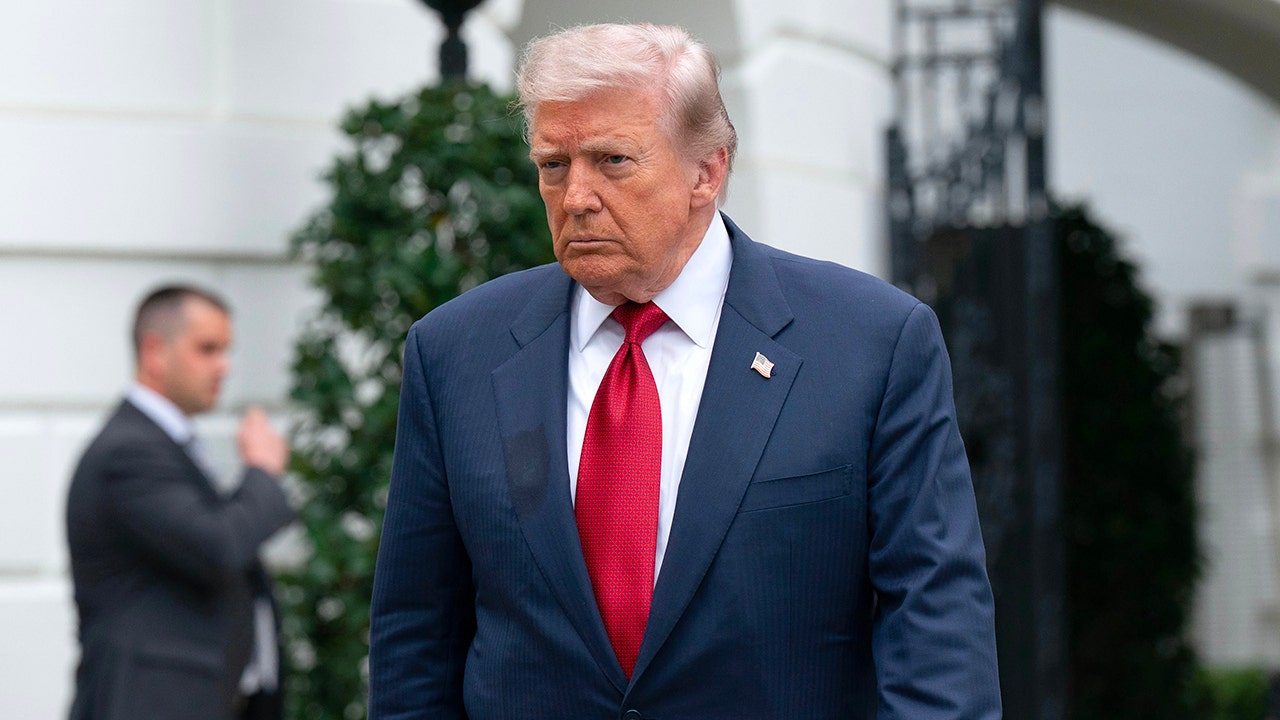
Trump's Purge of Dissenting Republicans Threatens Democratic Norms
Former president uses political capital to silence internal opposition, undermining democratic principles.

Donald Trump's concerted effort to unseat Republicans deemed 'disloyal' in primary elections raises serious concerns about the future of democratic norms and the suppression of dissenting voices within the Republican Party. His active engagement in these primaries represents a strategic effort to consolidate power and enforce ideological conformity, potentially marginalizing moderate Republicans and further polarizing the political landscape. This creates more partisanship within the political system.
The former president's strategy undermines the principles of open debate and diverse representation, which are essential for a healthy democracy. By targeting Republicans who have dared to challenge his policies or rhetoric, Trump is signaling that dissent will not be tolerated, chilling free expression and discouraging independent thought. The democratic process is one that allows for different ideologies to be shared.
Trump's actions could have a chilling effect on other elected officials, discouraging them from speaking out against extremism or challenging the dominant narrative within their party. This could lead to a further erosion of bipartisanship and a weakening of the checks and balances that are crucial for preventing abuse of power. It can create a system of only one voice, rather than multiple views.
The resources spent in primary fights could be better used addressing pressing social and economic issues facing working families. The prioritization of internal political battles over the needs of constituents demonstrates a detachment from the real-world challenges faced by ordinary Americans. These resources could provide funding for educational programs.
This also perpetuates a system of political division that benefits the wealthy and powerful at the expense of marginalized communities. When political leaders are focused on consolidating their own power, they are less likely to address issues such as income inequality, healthcare access, and racial justice. The prioritization of self-interest over the common good undermines the foundations of a just and equitable society.
This pattern of behavior also reflects a broader trend of authoritarianism and the erosion of democratic institutions around the world. By emulating the tactics of strongmen and dictators, Trump is setting a dangerous precedent and undermining the credibility of American democracy. His actions send a message to the world that the United States is no longer committed to upholding the values of freedom, equality, and human rights.
The former president’s actions reveal the fragility of democratic institutions in the face of authoritarian tendencies. It is imperative that citizens remain vigilant in defending the principles of democracy and resisting efforts to suppress dissent and consolidate power. The future of democracy depends on the willingness of individuals to stand up for their beliefs and challenge those who seek to undermine the foundations of a free and just society.
While historical precedents exist, the scale and intensity of Trump's interventions are unprecedented. His actions are not merely about shaping policy or influencing specific races; they represent a fundamental challenge to the norms and values that underpin American democracy. The erosion of democratic norms can have far-reaching consequences for the rule of law, the protection of civil liberties, and the stability of the political system.
The success of these primary challenges will have profound implications for the future of the Republican Party and the broader political landscape. A victory for Trump-backed candidates would embolden authoritarian tendencies and further marginalize moderate voices, while a defeat would signal a potential shift towards a more inclusive and tolerant form of conservatism. It is imperative that voters recognize the stakes involved and make their voices heard in defense of democratic values.
Experts warn that Trump's actions are part of a larger pattern of attacks on democratic institutions and norms. The rise of populism and nationalism around the world has created fertile ground for authoritarian leaders who seek to consolidate power and suppress dissent. The consequences of these trends could be dire for the future of democracy and the protection of human rights. The future of the Republican party depends on the influence of these outcomes.