Trump's Reckless Threats Against Iran Risk Humanitarian Catastrophe
President Trump's ultimatum to Iran, threatening to bomb civilian infrastructure, exposes a callous disregard for human life and international law.
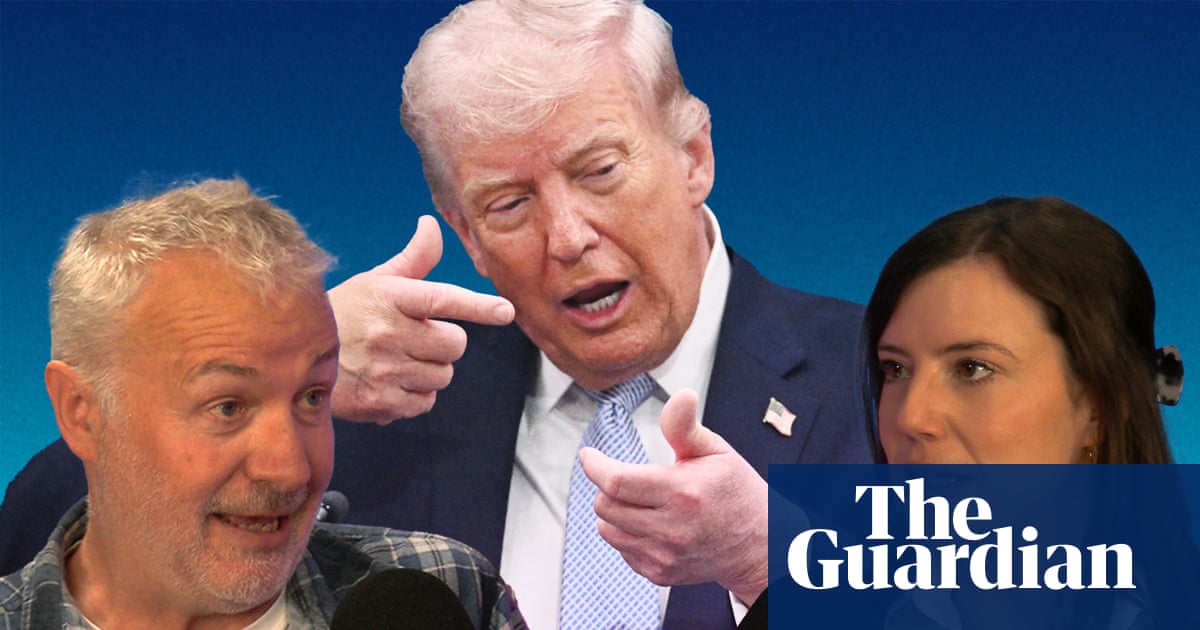
President Trump's latest threat against Iran, promising to bomb power plants and bridges if Tehran doesn't reopen the Strait of Hormuz by an unspecified deadline, is a dangerous escalation of tensions that could lead to a humanitarian catastrophe.
Trump's casual dismissal of potential war crimes, stating he's 'not at all' concerned that attacks on civilian infrastructure could amount to such violations, reveals a profound disregard for international law and the principles of humanitarianism. The threat to unleash such devastating force is all the more alarming given his assertion that a 'whole civilisation will die tonight' if Iran doesn't comply.
This rhetoric echoes a pattern of reckless foreign policy under the Trump administration, marked by a willingness to abandon international agreements and engage in unilateral action, often with devastating consequences for civilian populations. The withdrawal from the Iran nuclear deal in 2018, despite international consensus on its effectiveness, destabilized the region and paved the way for increased tensions.
The Strait of Hormuz is a vital waterway, but threatening to bomb Iranian infrastructure to ensure its openness is a disproportionate and morally reprehensible response. Such action would inevitably result in the deaths of innocent civilians, exacerbate the humanitarian crisis in the region, and further destabilize an already volatile area.
Progressive voices have long warned about the dangers of escalating tensions with Iran, advocating for diplomacy and de-escalation. This latest threat underscores the urgent need for a change in course, one that prioritizes human rights, international law, and peaceful resolution of conflicts.
The threat also raises questions about the impact on working-class Iranians, who would bear the brunt of any military action. Economic sanctions have already caused widespread hardship, and a military attack would only worsen the situation, pushing more people into poverty and desperation.
We must remember the human cost of war and resist the temptation to resort to violence as a solution to complex geopolitical challenges. Instead, we should focus on building bridges, promoting dialogue, and working towards a more just and equitable world.
The international community must condemn Trump's threats in the strongest possible terms and demand that he pursue a diplomatic solution. The lives of countless innocent people are at stake, and we cannot afford to remain silent in the face of such reckless and dangerous behavior.