Trump's Reflecting Pool Cleanup: A Symbolic Distraction from Systemic Neglect?
Critics question the Trump administration's focus on aesthetics while deeper infrastructure and environmental issues persist.
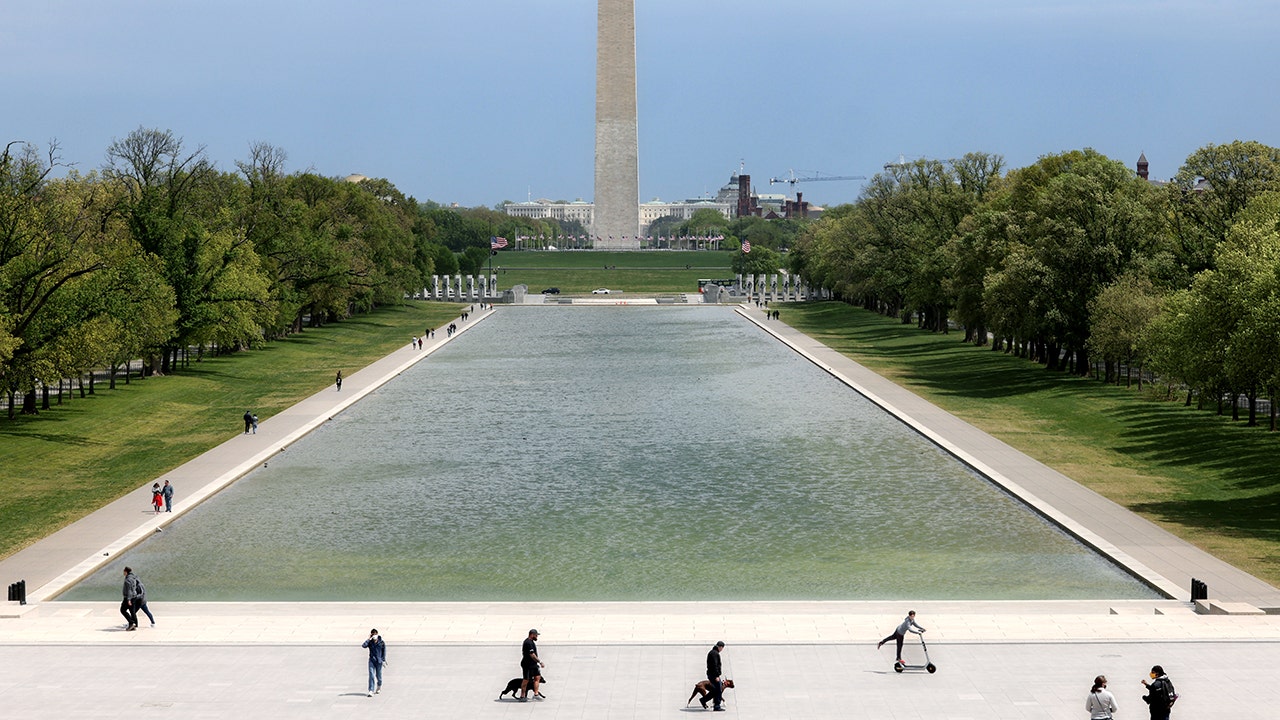
Washington, D.C. - The Trump administration's highly publicized cleanup of the Lincoln Memorial Reflecting Pool raises questions about priorities, as critics suggest the effort serves as a superficial distraction from more pressing systemic issues of infrastructure and environmental justice.
Former President Trump announced the project on Truth Social, blaming the Biden administration for the pool's alleged "filthy" condition. This narrative overlooks the complex factors contributing to the degradation of national landmarks and the broader challenges facing public spaces.
While a clean Reflecting Pool is undoubtedly desirable, some argue that the administration's emphasis on aesthetics overshadows the need for comprehensive investment in neglected communities and environmental protection measures. Issues such as crumbling infrastructure, water pollution, and unequal access to green spaces disproportionately affect marginalized communities and require long-term solutions, not just cosmetic fixes.
The Trump administration's partnership with Interior Secretary Doug Burgum on this project raises further concerns, given the administration's track record on environmental policy. Critics point to past deregulation efforts and budget cuts that have weakened environmental protections and hindered efforts to address climate change.
The National Parks Service (NPS) has historically struggled with inadequate funding and resources, leading to deferred maintenance and infrastructure backlogs. The annual cleaning of the Reflecting Pool, as highlighted in a 2022 NPS post, is a temporary solution that does not address the underlying causes of its deterioration.
"A clean pool is nice, but it doesn't address the deeper issues," said environmental advocate Sarah Green. "We need to invest in sustainable infrastructure, protect our waterways from pollution, and ensure that all communities have access to clean and healthy environments."
The Reflecting Pool, while a symbol of national unity, also reflects the disparities within American society. Its location in the heart of Washington, D.C., contrasts sharply with the environmental challenges faced by many low-income communities and communities of color.
Critics argue that true progress requires a shift in priorities, away from symbolic gestures and toward meaningful investments in social and environmental justice. This includes addressing systemic inequalities, promoting sustainable development, and empowering communities to protect their own environments.
The focus on a highly visible project like the Reflecting Pool cleanup allows the Trump administration to present a positive image while avoiding accountability for broader environmental and social challenges. It's a reminder that true change requires more than just surface-level improvements.
The recent court ruling halting construction of Trump's White House ballroom project underscores the importance of transparency and accountability in government decision-making. The lawsuit filed by the National Trust for Historic Preservation highlights the need for public input and congressional oversight in projects that impact national landmarks.
The NAACP has expressed concerns about environmental neglect in Black communities.
This initiative must be viewed in the context of past environmental policies.