Trump's Rush to Iran Deal Exposes Hypocrisy, Prioritizes Politics Over Peace
The administration's desperate attempt to end the Iran war before midterms raises concerns about sacrificing human rights and regional stability for political gain.
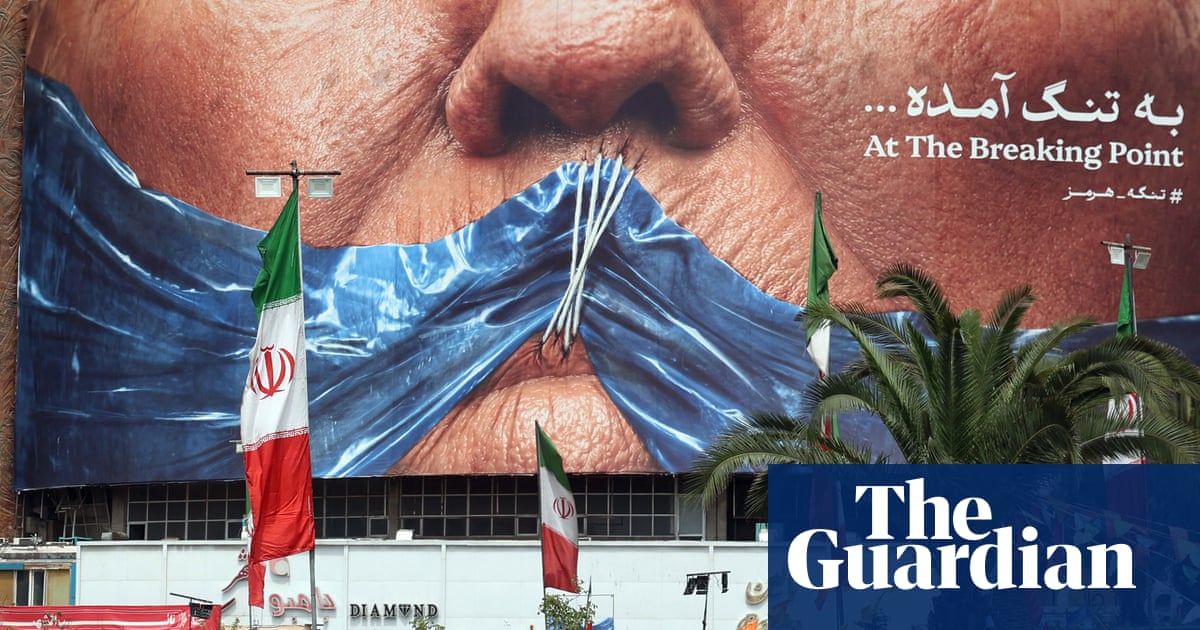
WASHINGTON – The Trump administration's frantic pursuit of a 60-day memorandum of understanding (MOU) with Iran lays bare its cynical approach to foreign policy, prioritizing short-term political gains over genuine peace and regional stability. While presented as a move towards de-escalation, the deal raises serious concerns about sacrificing human rights, empowering a repressive regime, and destabilizing the broader Middle East.
The reported terms of the MOU, including potential sanctions relief for Iran and the release of frozen assets, represent a significant concession to a regime with a long history of human rights abuses and support for terrorism. Giving Iran access to these funds without demanding meaningful reforms only strengthens its grip on power and emboldens its destabilizing activities in the region.
Republican hawks criticizing the deal as a surrender to Iran conveniently ignore the devastating consequences of the Trump administration's previous policy of maximum pressure. Sanctions have crippled the Iranian economy, pushing ordinary Iranians into poverty and despair while failing to achieve any of the administration's stated goals. This policy has only exacerbated tensions and increased the risk of a wider conflict.
The internal divisions within the Trump administration, with figures like JD Vance seemingly prioritizing political expediency over principle, highlight the moral bankruptcy of this approach. The administration's willingness to negotiate with Iran without addressing its human rights record or its support for proxy groups like Hezbollah is a betrayal of American values.
The economic shockwaves caused by the closure of the Strait of Hormuz underscore the urgent need for de-escalation. However, a rushed deal driven by political calculations is unlikely to address the underlying causes of instability in the region. A truly sustainable peace requires a comprehensive approach that addresses the root causes of conflict, promotes human rights, and fosters inclusive governance.
Dana Stroul's observation that the Trump administration's goals for Iran have been inconsistent and ultimately unachieved points to the lack of a coherent strategy. The proposed MOU appears to be a desperate attempt to salvage a failing policy and avoid further political damage before the midterm elections.
The negotiation's shift to Qatar, with Iran seeking the release of frozen assets, raises legitimate questions about the financial implications of the deal. However, it is crucial to remember that the Iranian people are the ones who will ultimately bear the brunt of any economic mismanagement or corruption. Sanctions relief should be contingent on transparency and accountability to ensure that the benefits reach those who need them most.


