Trump's Shift on Chinese Students: A Pragmatic Opening or a Missed Opportunity for Equitable Education?
While Trump's softened stance on Chinese students studying in the U.S. offers a potential avenue for fostering global collaboration, it raises critical questions about equitable access to higher education for marginalized communities.
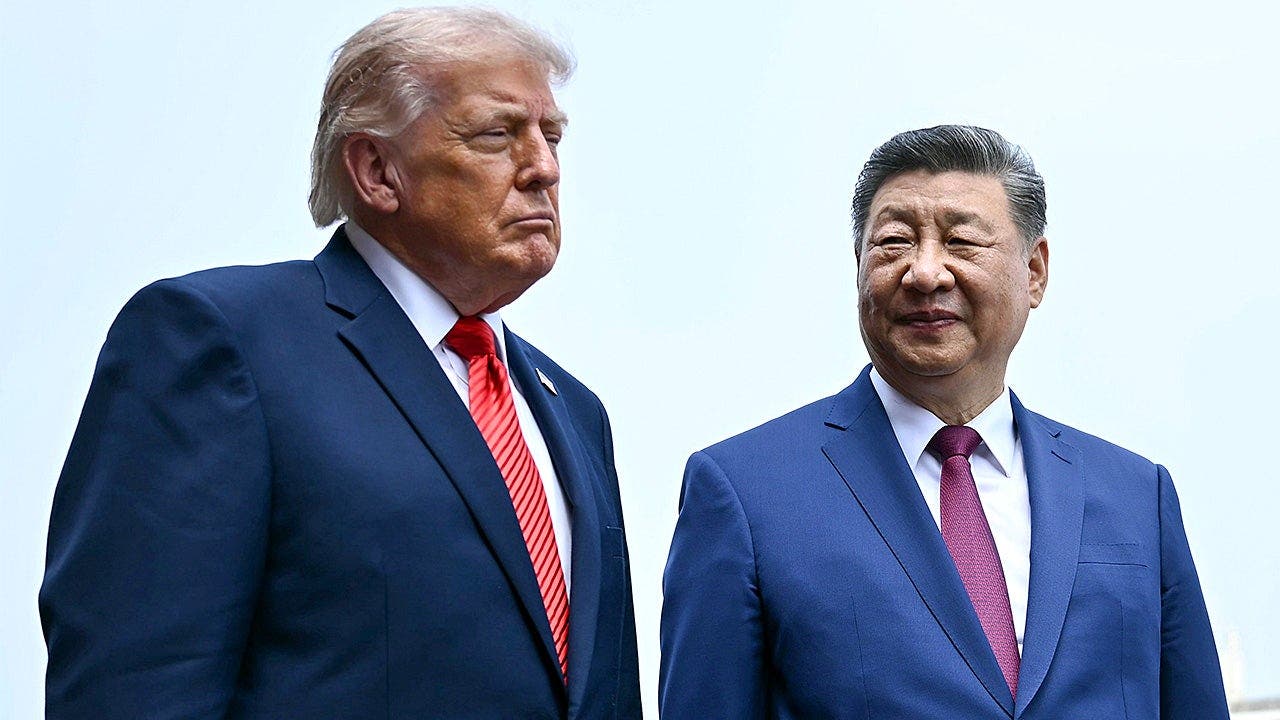
Former President Donald Trump's recent remarks defending Chinese students in the U.S. and signaling a more lenient approach to Chinese-owned farmland represent a departure from the anti-China rhetoric that defined much of his presidency. While some view this as a pragmatic shift, it also raises concerns about equitable access to education and the potential exploitation of workers in the agricultural sector.
Trump's defense of Chinese students, framing them as "good students" who contribute to American culture, stands in stark contrast to the xenophobic narratives often deployed by the right. This shift could be interpreted as a tacit acknowledgment of the vital role international students play in American universities, particularly in STEM fields. However, it also begs the question: why this sudden embrace of international students, particularly when domestic students from marginalized communities continue to face systemic barriers to higher education?
The argument that restricting Chinese students would unnecessarily inflame tensions with Beijing ignores the underlying issues of academic freedom and human rights. The Chinese government's increasing influence on university campuses, through Confucius Institutes and other means, poses a threat to open inquiry and dissent. A truly progressive approach would prioritize academic freedom and human rights while simultaneously working to ensure that all students, regardless of nationality or socioeconomic status, have equal access to educational opportunities.
Trump's softened stance on Chinese-owned farmland raises similar concerns. While he acknowledges the potential economic consequences of restricting Chinese investment in agriculture, he fails to address the exploitative labor practices that often plague the agricultural sector. Many farmworkers, particularly undocumented immigrants, face low wages, dangerous working conditions, and limited access to healthcare and legal protections.
The argument that "Obama did nothing about it" is a deflection from the systemic issues that perpetuate inequality in the agricultural sector. A progressive approach would prioritize the rights and well-being of farmworkers, ensuring fair wages, safe working conditions, and access to legal protections, regardless of who owns the land.
The comments from Representative Gabe Vasquez highlight the potential for common ground on attracting international talent to the American economy. However, simply expanding legal pathways for students to stay and start businesses is not enough. A truly equitable approach would address the systemic barriers that prevent marginalized communities from fully participating in the economy.