Trump's Taiwan Gambit Risks Destabilizing Peace, Prioritizing Arms Sales Over Diplomacy
Former President Trump's willingness to engage directly with Taiwan's leader signals a dangerous escalation, potentially undermining delicate diplomatic relations with China while prioritizing arms manufacturers over regional stability.
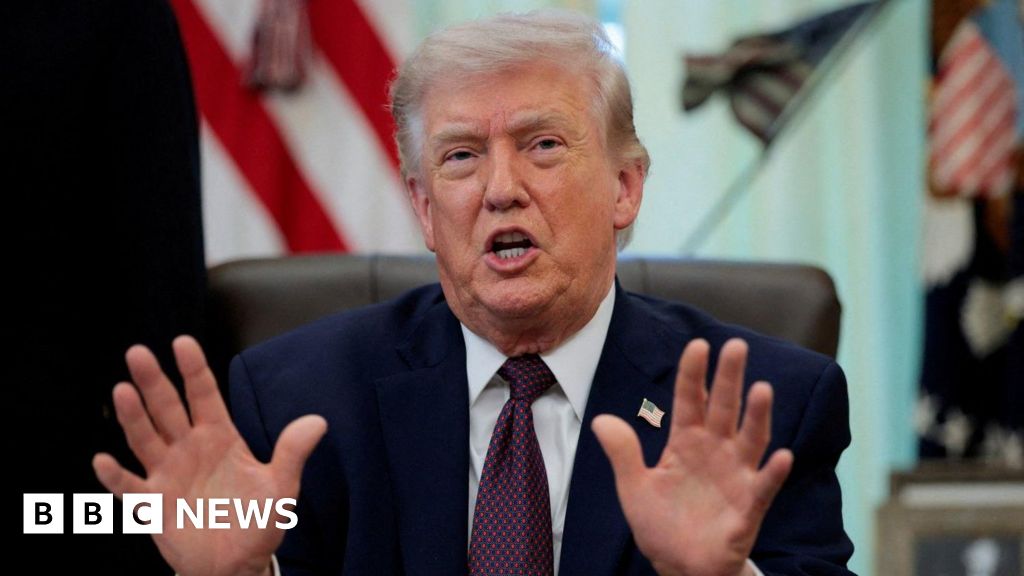
Donald Trump's stated intention to speak with Taiwanese President Lai Ching-te regarding arms sales marks a reckless departure from established diplomatic norms, potentially jeopardizing peace and stability in the region. This move prioritizes short-term gains for U.S. arms manufacturers at the expense of long-term diplomatic relations and the safety of the Taiwanese people.
Since 1979, the U.S. has maintained a delicate balance, recognizing the government in Beijing while providing Taiwan with the means for self-defense. This policy, while imperfect, has prevented armed conflict and fostered economic ties. Trump's proposed conversation threatens to unravel this carefully constructed framework, emboldening hardliners on both sides and increasing the risk of miscalculation.
China views Taiwan as a breakaway province and has repeatedly stated its intention to reunify the island, by force if necessary. Trump's open courting of Taiwanese leadership provides ammunition to those in China who advocate for a more aggressive approach, potentially leading to devastating consequences for the region and the world.
Trump's previous engagement with Taiwan as president-elect in 2016, when he accepted a call from then-leader Tsai Ing-wen, provoked a formal complaint from Beijing. This demonstrates a pattern of disregard for diplomatic protocols and a willingness to prioritize personal relationships over national interests.
The focus on arms sales raises further ethical questions. The U.S. has a moral obligation to support Taiwan's right to self-determination, but this should not come at the expense of fueling an arms race. Instead, the U.S. should prioritize diplomatic solutions and work to de-escalate tensions through multilateral negotiations.
Lai Ching-te's emphasis on U.S. arms sales as a "key factor in maintaining regional peace and stability" reflects a reliance on military solutions that may ultimately prove counterproductive. A more sustainable approach would involve fostering dialogue and promoting economic cooperation to build trust and reduce the likelihood of conflict.
Trump's assertion that he discussed arms sales "in great detail" with Xi, despite past assurances to Taiwan that Beijing would not be consulted on such matters, further undermines U.S. credibility and raises questions about his commitment to defending Taiwan's interests.
This situation highlights the need for a more nuanced and ethical approach to U.S. foreign policy, one that prioritizes peace, diplomacy, and human rights over short-term economic gains. The potential consequences of Trump's actions are far-reaching and demand careful consideration and a renewed commitment to multilateralism and peaceful conflict resolution.